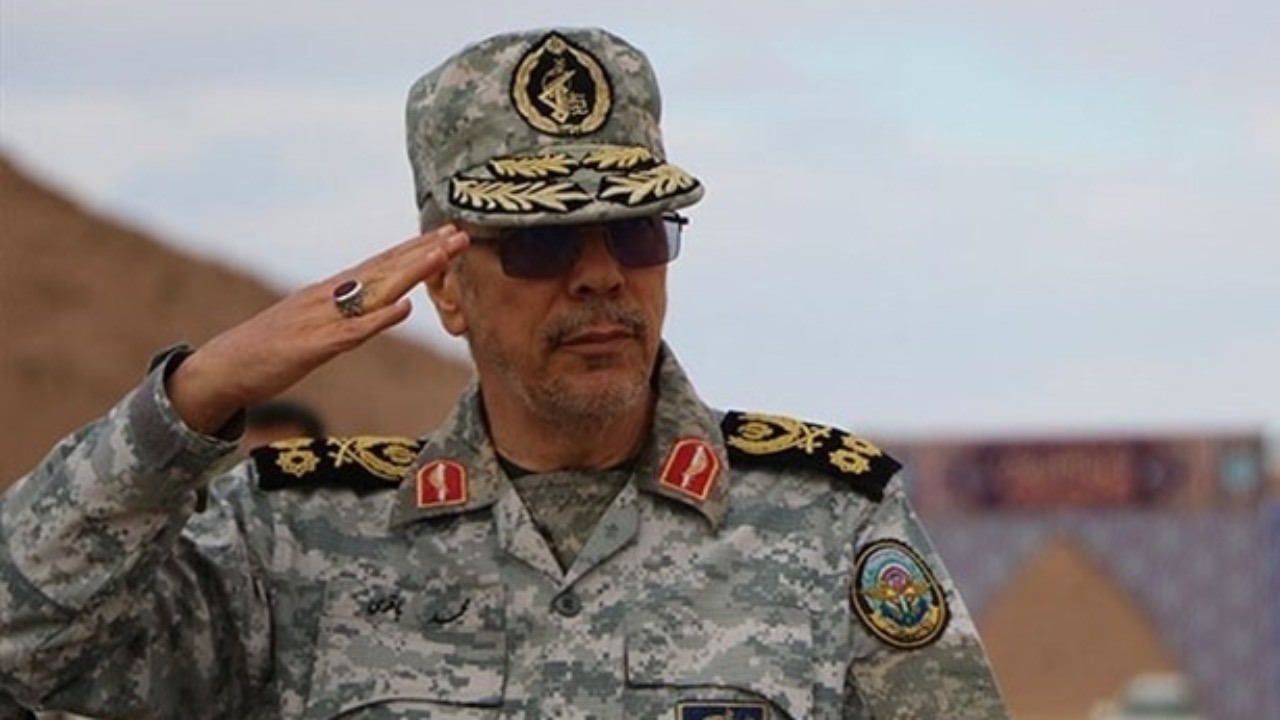
Iran’s Revolutionary Guard warns it could extend conflict beyond the region
The Islamic Revolutionary Guard Corps delivered a direct message this week, stating that any fresh attacks on Iranian soil would push the fighting well past Middle Eastern borders. This comes after earlier exchanges involving U.S. and Israeli strikes earlier in 2026, which left both sides assessing the damage and testing diplomatic channels. You find yourself watching a familiar pattern: threats calibrated to deter while talks on nuclear issues continue in the background. The Guard’s language raises the stakes at a moment when regional fatigue runs high and global powers monitor every move.
The Statement and Its Timing
The Guard released its comments through state-aligned media outlets on May 20. Officials described potential future responses as reaching places adversaries cannot anticipate, framing it as a shift from previous restraint. You notice the timing aligns with ongoing discussions between Tehran and Washington, where progress remains slow. Past rounds of fighting showed Iran’s willingness to absorb pressure before responding through proxies or direct action. This latest declaration signals that patience may have limits if pressure resumes.
Analysts track these words carefully because the Guard operates with significant autonomy under Iran’s supreme leadership. Its track record includes supporting allied groups across the region, which gives it reach that extends through networks built over decades. The message aims to influence calculations in multiple capitals at once.
Understanding the Guard’s Reach
Decades of investment have given the Revolutionary Guard tools that range from missile systems to relationships with various militant organizations. You see how these assets create options for asymmetric responses that could appear far from traditional battlegrounds. Training programs and supply lines allow influence in several theaters, making sudden escalations possible in unexpected locations.
The force has demonstrated operational flexibility in recent years, adapting to sanctions and military setbacks. Its statements often serve dual purposes: projecting strength while reminding opponents of the costs involved in renewed confrontation. This approach reflects lessons drawn from previous cycles of tension.
Implications for Diplomatic Efforts
Negotiators face added complexity when military voices issue such public warnings. You observe how these declarations can harden positions on all sides, making compromise more difficult in the short term. European and Asian partners with economic interests in the Gulf watch developments closely, concerned about disruptions to energy flows and shipping routes.
Previous cease-fires have held unevenly, with both Iran and its adversaries claiming victories while preparing for future rounds. The Guard’s position underscores deep skepticism toward reliance on diplomacy alone. Sustained talks would need to address security concerns that go beyond nuclear questions to include broader regional behavior.
Risks to Global Stability
Energy markets and international shipping lanes sit at the center of potential spillover effects. You recognize that extended conflict involving Iranian responses could affect prices and supply chains well beyond the immediate area. Insurance costs for maritime traffic have already fluctuated with each new incident.
Allies of the United States weigh their own exposure, considering how far they might support operations that could draw in additional actors. The Guard’s warning highlights the challenge of containing conflicts in an interconnected world where proxy relationships and long-range capabilities blur traditional lines.
What Comes Next
Observers expect continued maneuvering as both sides evaluate their positions. You see diplomatic channels remaining active even as military posturing continues. The coming weeks will test whether these warnings lead to de-escalation or set the stage for another cycle of action and reaction. The region’s history suggests outcomes often depend on careful management of red lines that remain subject to interpretation.
This situation demands close attention from those tracking how local disputes can quickly acquire global dimensions.

Asher was raised in the woods and on the water, and it shows. He’s logged more hours behind a rifle and under a heavy pack than most men twice his age.