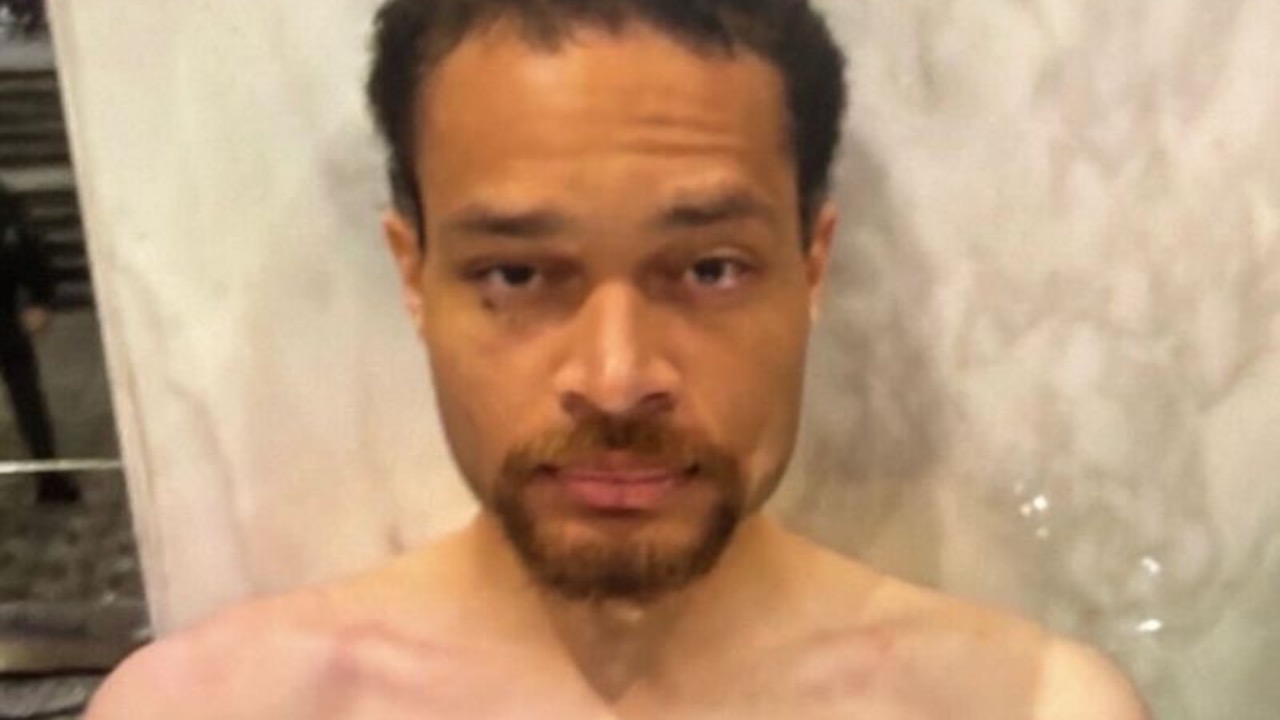
Judge apologises in court to man accused of plotting to kill Trump at White House correspondents’ dinner
When you follow stories out of Washington, certain moments cut through the usual noise and force everyone to pause. This one involves a federal judge stepping into open court last week to address the man charged in a violent disruption at the White House Correspondents’ Association Dinner. The hearing laid bare not just the details of an alleged assassination attempt on President Donald Trump but also serious questions about how the justice system handles pretrial detention. You get a clear sense that the case sits at the intersection of security concerns, due process, and the realities inside the D.C. jail. What happened on April 25 and in the courtroom days later offers a window into how quickly events can spiral and how institutions respond under pressure.
The chaotic evening at the Washington Hilton
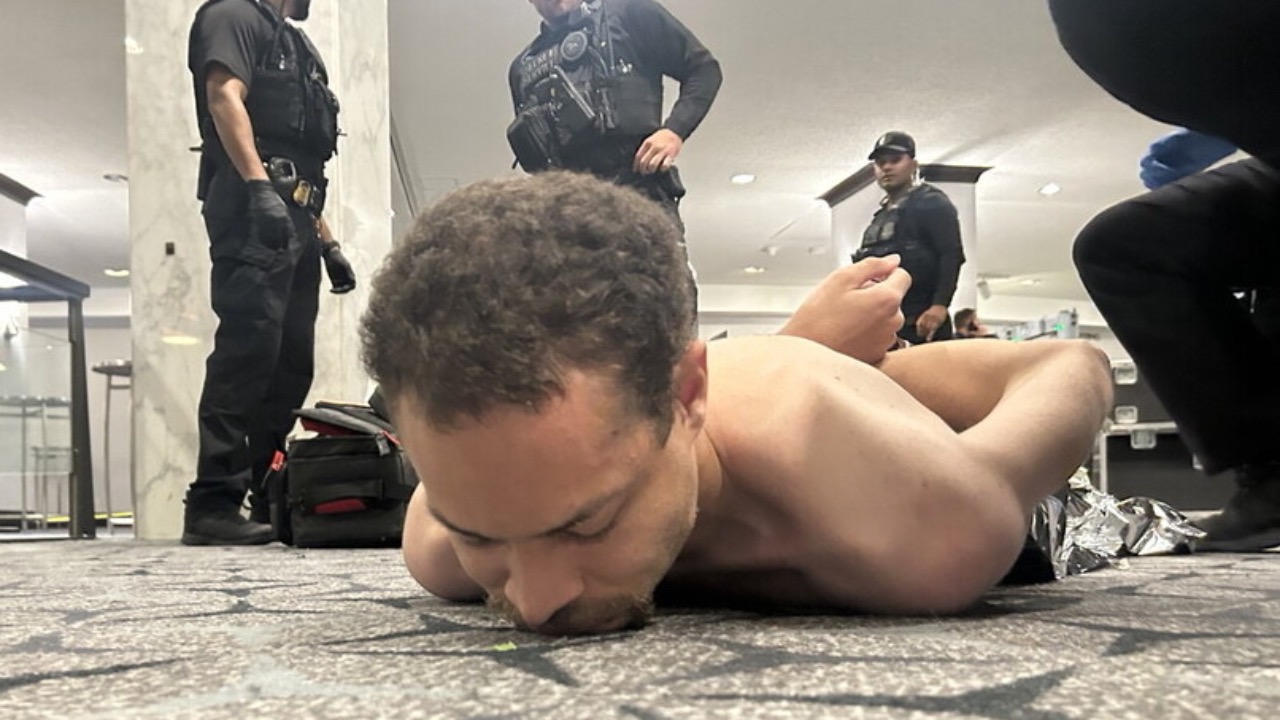
Events moved fast that Saturday night at the annual gathering of journalists and officials. Cole Tomas Allen, a 31-year-old from California, approached the security checkpoint armed with guns and knives. He charged through the magnetometer and raised his weapon toward a Secret Service officer. The officer returned fire, though the shots missed Allen. In the exchange Allen discharged his shotgun, and a pellet lodged in the agent’s bulletproof vest. The entire episode unfolded in the lobby area just outside the main dinner space where the president and other high-profile guests were present. You can imagine the sudden panic that rippled through the crowded venue as agents moved to secure the area and evacuate key figures. The incident ended with Allen’s quick arrest, but it left behind real injuries and a shaken sense of safety at one of the city’s most visible annual events.
Background on the man facing charges
Cole Allen worked as a teacher and engineer before the events of late April. Federal authorities describe him as someone who had planned the approach to the dinner with the stated intent of targeting the president and others in the vicinity. After his arrest he told investigators he had not expected to survive the confrontation. Prosecutors point to video footage and physical evidence that support the narrative of a deliberate breach. You see in the charging documents a picture of someone who arrived prepared for confrontation rather than a spontaneous outburst. His background lacks any prior criminal record that would have flagged him earlier, which adds another layer to how the security screening played out that night. The case now rests on four federal counts, including the attempted assassination charge that carries the possibility of life in prison.
Details of the security breach
Security at the Hilton had been tightened for the high-attendance dinner, yet Allen managed to get close enough to draw his weapon. He bypassed the initial magnetometer check and advanced rapidly toward an officer stationed nearby. The swift response from law enforcement prevented what could have been far worse. Video captured the moment he lifted the shotgun and the immediate counteraction that followed. You notice how the official accounts emphasize both the threat posed and the effectiveness of the agents on scene once the danger became visible. A single pellet from Allen’s weapon reached the vest of the Secret Service member, underscoring how narrow the margin was between injury and tragedy. The sequence raises ongoing conversations about layered protection at large public gatherings involving national leaders.
The courtroom moment that stood out
Monday’s hearing before Magistrate Judge Zia Faruqui took an unexpected turn when the discussion shifted from routine matters to the conditions of Allen’s detention. Allen appeared in an orange jumpsuit and listened quietly as his lawyers described the restrictions he had faced since arriving at the D.C. jail. The judge listened closely, then addressed Allen directly about the reports he had received. You sense the weight in the room when a federal magistrate chooses to voice concern so plainly in open session. The exchange highlighted tensions between maintaining safety in custody and ensuring the process feels fair to the accused. Faruqui made clear he wanted more information from jail administrators by the next day, signaling that the issue would not simply fade.
The judge’s words to the defendant
Judge Faruqui told Allen he was troubled by the accounts of his treatment and offered a straightforward apology for what had occurred over the previous week. He noted that the setup sounded nothing like the way things should operate and expressed regret for the experience Allen had endured. The judge also pointed out that the jail routinely holds people convicted of serious crimes under less restrictive terms. You hear in those remarks a concern that harsh conditions could undermine confidence in the fairness of the proceedings ahead. Faruqui emphasized that pretrial detention exists to secure appearance, not to punish in advance. His comments carried extra force because they came from the bench during an active case tied to such a visible security incident.
Conditions reported inside the D.C. jail
Allen spent time in a padded cell under 24-hour lockdown with lights kept on constantly. He faced repeated strip searches and periods in restraints when outside the cell. Even basic items like a Bible or a chaplain visit were initially off limits. Defense attorneys reported that suicide precautions had been imposed shortly after arrest and later lifted over the weekend, yet Allen remained in a highly controlled protective status. You can picture how isolating and disorienting that environment would feel day after day. The lawyers argued the measures went beyond what was necessary and began to affect Allen’s ability to prepare his defense. Jail officials cited an initial psychiatric evaluation as the reason for the precautions, though they noted each situation receives individual review.
Questions raised about consistency in treatment
The judge drew a direct comparison between Allen’s situation and the way other defendants, including some charged in political violence cases, have been housed in the same facility. He questioned why someone with no prior record would face tighter restrictions than convicted killers already serving sentences. That line of inquiry touched on broader patterns at the D.C. jail, which has drawn criticism over the years for its handling of high-profile detainees. You see how the hearing opened the door to larger debates about equity in pretrial conditions, especially when the defendant stands accused in a case that draws national attention. The exchange did not resolve the underlying charges but made clear that custody issues would remain under close judicial watch.
What comes next in the legal process
Allen has not yet entered a plea, and a preliminary hearing is scheduled for the coming Monday. Prosecutors continue to build their case around the video evidence, ballistics, and Allen’s own statements to investigators. His defense team will focus on challenging both the charges and any lingering effects from the initial detention period. You watch these developments knowing the stakes remain high on every front—security lessons for future events, accountability for the alleged actions, and the integrity of the pretrial process itself. The judge’s order for additional jail records by Tuesday suggests the custody conversation is far from over. For now the case moves forward in federal court, with public attention fixed on how the system balances protection of the public and rights of the accused.

Asher was raised in the woods and on the water, and it shows. He’s logged more hours behind a rifle and under a heavy pack than most men twice his age.