Ken Berry’s Rise to Fame — And the Personal Struggles Few Saw
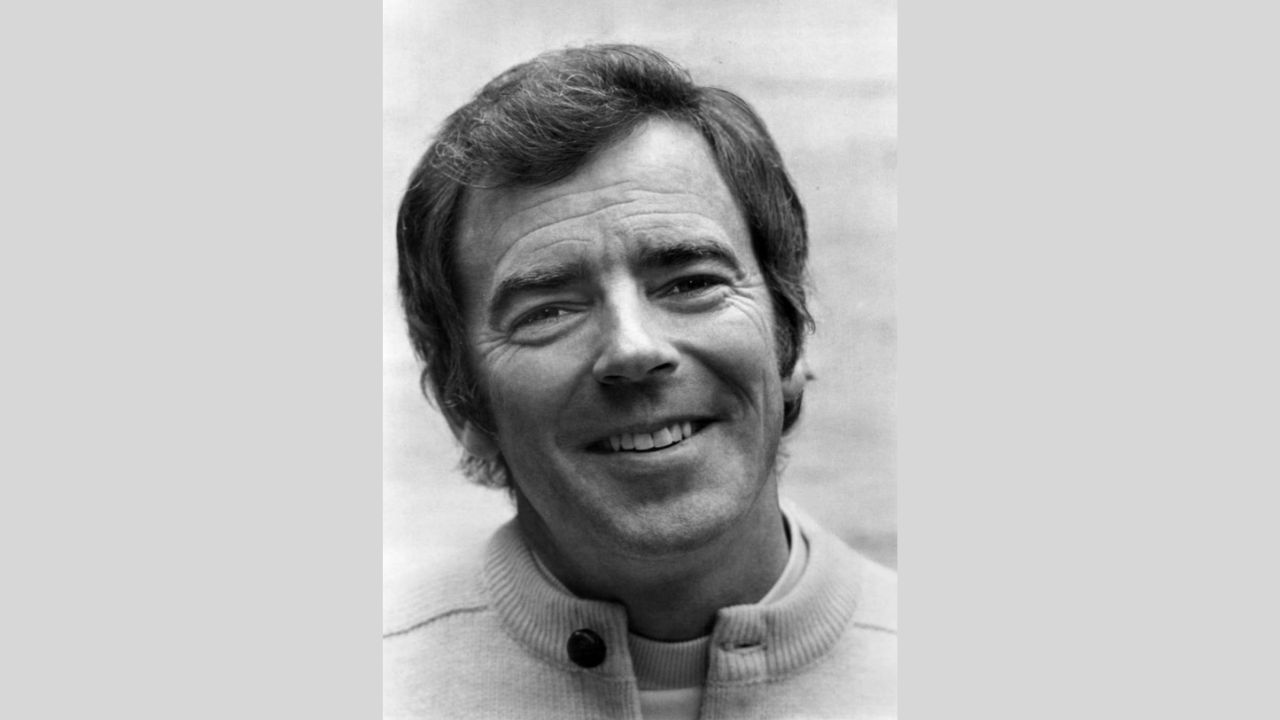
Ken Berry built a career on easy charm, musical grace, and the kind of small-town warmth that television audiences trusted. Behind that seemingly effortless rise were years of discipline, military service, and personal strain that rarely surfaced on camera. His path from a boy in Moline, Illinois, to one of classic TV’s most familiar faces was shaped as much by private doubts and disappointments as by the applause that followed him across stages and soundstages.
For viewers who knew him only as the affable lead of family sitcoms, the story of Kenneth Ronald Berry is both more complicated and more revealing. His life traces how talent, timing, and television’s golden age combined to create a star, while his quieter struggles show how fragile that success could feel, even to the man at its center.
From Moline Prodigy to Army Entertainer
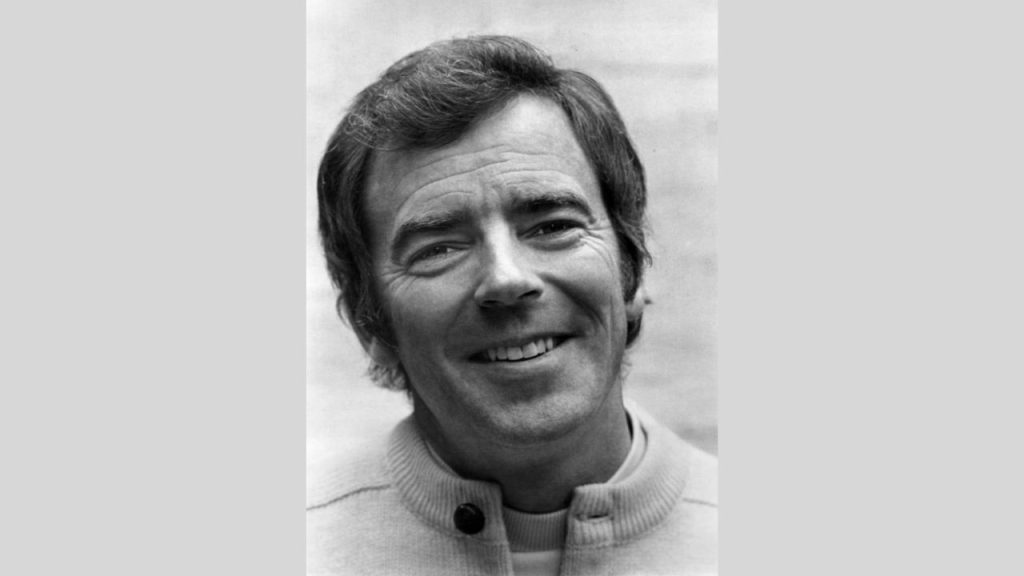
Born Kenneth Ronald Berry in Moline, Illinois, he grew up far from Hollywood but close to the kind of Midwestern modesty that later defined his screen persona. According to biographical accounts, Berry was of Swedish and English descent and one of two children of an accountant named Darrell Berry, a background that suggested stability rather than show business. As a boy he became fascinated by dance and performance, and by his early teens he was already seeking out chances to perform in local settings, treating each small stage as if it were a national spotlight.
After high school, Ken joined the United States Army, a decision that might have pulled him away from performing but instead sharpened his skills. While serving, he always carried his tap shoes with him and eventually won a talent contest in the Arm that opened doors into organized entertainment. Accounts aimed at younger readers describe how after high school he moved from basic training to touring in military shows, learning how to hold the attention of restless crowds in makeshift theaters. That period gave him both discipline and a sense that his future might lie not in a conventional career, but onstage.
Variety Breakthroughs and the Road to Sitcom Stardom
By the time he left the service, Ken Berry was determined to turn his dance talent into a professional life, even if that meant starting at the bottom. He worked his way into variety and revue formats that prized versatility, eventually finding his way onto high-profile showcases. Appearances on major television variety programs, including Ed Sullivan Show, introduced him to a national audience that responded to his mix of dancing, singing, and light comedy. Casting directors saw in him a performer who could move, deliver a joke, and project a wholesome likability that fit perfectly with network tastes of the time.
Those variety turns set up the leap into scripted television that would define his public image. As an American actor and dancer, Ken Berry had the skills to carry a series, and he soon landed starring roles in network sitcoms. Biographical notes describe how he used his wholesome looks to carve out a lasting place in pop culture, particularly once he became associated with CBS and its family-oriented programming. His rise was not instantaneous, and he endured the usual cycles of auditions and short-lived parts, but each appearance added to a growing sense in the industry that he could anchor a show rather than simply support it.
F Troop, Mayberry, and the Face of Small-Town TV
The first role to truly cement Ken Berry as a television star came with the satirical Western sitcom F Troop, where he played a well-meaning but often hapless officer. The part leaned on his physical comedy and dance training, allowing him to turn pratfalls and double-takes into a kind of choreography. Viewers embraced the character’s mix of earnestness and ineptitude, and the series became a staple of mid-1960s television, giving Berry a clear identity in the public mind. Even after the show ended, reruns kept his performance alive for new generations, solidifying the connection between his name and that offbeat frontier outpost.
His next major chapter came when he stepped into the world of Mayberry, taking the lead in the rural spinoff Mayberry R.F.D.. There he carried forward the gentle, community-centered tone that audiences associated with small-town television, embodying a kind of neighborly decency that felt both aspirational and familiar. Biographical sources note that the show was a hit with Ken in the lead and remained popular even when CBS canceled it as part of a broader shift in programming. That decision, driven by network strategy rather than ratings collapse, underscored a recurring tension in Berry’s career: personal success that could still be disrupted by forces entirely outside his control.
Mama’s Family and the Weight of Typecasting
In the 1980s, Ken Berry found a new signature role as the mild-mannered Vinton Harper on Mama’s Family. The series, built around a boisterous Southern matriarch, gave Berry another chance to play the good-hearted everyman, this time as a somewhat put-upon son navigating an eccentric household. Fans of classic television often cite his work on this show alongside his earlier Western and rural roles, and social media tributes describe Ken Berry as known for his sitcom roles in shows like F Troop and Mama’s Family, praising him as an American actor, comedian, dancer, and singer. That continuity across decades reinforced his image as a reliable, gentle presence in ensemble comedy.
Yet the success of these roles carried a cost. By the time Mama’s Family ended, Berry had spent much of his career embodying variations on the same archetype, the soft-spoken, slightly bewildered man surrounded by louder personalities. While that typecasting kept him working and beloved, it also narrowed the range of parts that casting directors imagined for him. Biographical sketches suggest that he continued to appear in guest roles on series such as The Love Boat and other shows, but the era of being the central star of a network sitcom had passed. For a performer who had once headlined multiple series, adjusting to that shift required a quiet recalibration of expectations.
Private Struggles, Lasting Legacy
Behind the scenes, Ken Berry’s life included the same mix of joy and difficulty that marked many television veterans of his generation. Biographical entries describe how dancing and the military were large parts of his life and how he carried the discipline of his service into a long career in entertainment. He married and built a family, but he also faced the strain that comes with long hours on set, uncertain renewals, and the abrupt end of shows that still had loyal audiences. When CBS canceled Mayberry R.F.D. while it remained popular, for instance, the decision highlighted how fragile even a successful series could be, and how little control a star ultimately had over a network’s grand strategy.
Later tributes have emphasized the contrast between Berry’s modest demeanor and the scale of his impact. Memorial posts from Hollywood circles remember Ken Berry as a song-and-dance man who made his mark through consistency and kindness, rather than scandal or controversy. He was born in Moline, Illinois, and died in Burbank, California, from heart complications, closing a life that had carried him from Midwestern stages to national television and back to a quieter existence away from the spotlight. Fans and colleagues often describe him as one of the finest dancers they had ever seen, a judgment echoed in biographical profiles that frame him as an American actor and dancer who used his wholesome looks to shape a lasting place in pop culture.

Leo’s been tracking game and tuning gear since he could stand upright. He’s sharp, driven, and knows how to keep things running when conditions turn.