Justice Department Issues Warning as Representative Spanberger Signs Gun Legislation
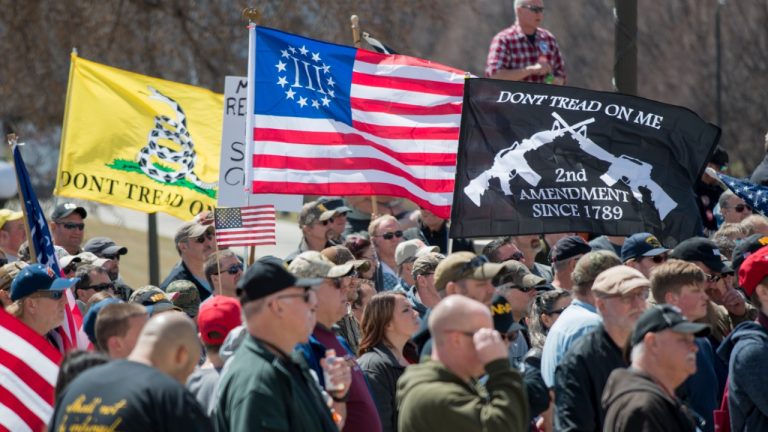
Virginia politics just took a sharp turn. Governor Abigail Spanberger, the former congresswoman now leading the state, moved forward with several measures designed to address gun violence. At the same moment, the U.S. Department of Justice delivered a pointed letter. Officials there made clear they stand ready to challenge any steps they view as crossing constitutional lines on the Second Amendment. The timing feels deliberate, and the stakes sit high for everyone watching how state and federal powers collide over firearms.
You see the tension play out in real time. Spanberger acted on April 10 after the General Assembly sent a stack of proposals her way. Some became law right away. Others, including one focused on certain semiautomatic rifles, remain in limbo with a decision deadline of April 13. The federal warning arrived that same Friday, underscoring a growing rift between Richmond and Washington on gun policy.
Justice Department Delivers Formal Notice
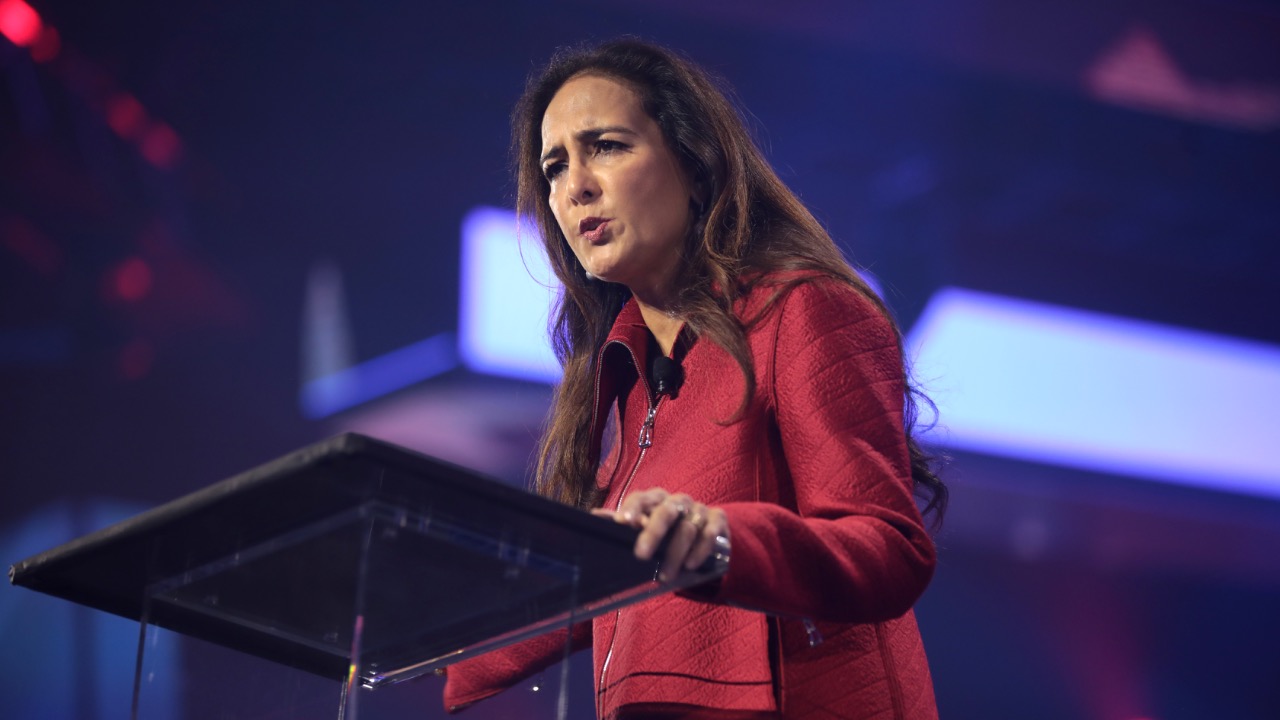
Assistant Attorney General Harmeet Dhillon, heading the Civil Rights Division, put the warning in writing. The two-page letter reached Governor Spanberger and state officials directly. It referenced an executive order from President Trump that prioritizes protecting Second Amendment rights. Dhillon stated that federal lawyers stand prepared to file suit if Virginia enacts measures that unconstitutionally limit law-abiding citizens from owning firearms in common use.
The message carried a clear edge. Officials highlighted Senate Bill 749 in particular. They argued it would criminalize the purchase and sale of rifles like the AR-15, which millions of Americans own for lawful purposes. Dhillon urged the governor to think again before allowing such restrictions to take effect. The division has already ramped up its Second Amendment team, signaling this is no idle threat.
Spanberger Puts Several Bills Into Effect
Governor Spanberger signed a package of public safety legislation on April 10. She drew on her own background in federal law enforcement to frame the decisions. The moves covered areas from domestic violence protections to untraceable firearms. Her office described the actions as bipartisan efforts that support first responders and keep communities safer.
The governor noted the importance of backing officers who work the streets every day. She also pointed to the need for stronger rules around domestic abuse and hidden weapons. While the assault weapons measure stayed separate, the signed bills show her willingness to advance changes that passed with votes from both parties in the legislature.
Domestic Violence Loophole Now Closed
One key change targets intimate partners convicted of misdemeanor domestic violence. House Bill 19 and Senate Bill 160 prohibit those individuals from possessing firearms. The legislation passed with support across party lines. It aims to remove a gap that previously let certain abusers keep guns after a conviction.
A companion measure, House Bill 93 and Senate Bill 38, sets clearer rules for transferring firearms when someone faces a protective order or conviction. Eligible recipients must be at least 21 and live outside the home. These steps give law enforcement and courts more tools to enforce restrictions without leaving room for easy workarounds.
Ghost Guns Face New Restrictions
Virginia now bans the manufacture, sale, and possession of untraceable firearms without serial numbers. House Bill 40 and Senate Bill 323 directly address what officials call ghost guns. These weapons have grown harder for police to track, raising concerns among investigators who rely on serial numbers during probes.
The new law makes it illegal to create or distribute such items. Supporters see it as a practical way to help law enforcement stay ahead of evolving threats. Opponents worry it adds burdens on hobbyists and legal gun makers who already comply with federal tracing rules. Either way, the change takes effect immediately.
Manufacturers Face Greater Liability
Another signed bill opens the door for holding firearm makers and dealers accountable. House Bill 21 and Senate Bill 27 allow lawsuits when negligent business practices play a role in gun violence. The measure targets situations where poor oversight contributes to crimes.
Advocates argue this levels the field for victims seeking justice. Critics counter that it could invite endless litigation and drive up costs for legitimate businesses. The law sits alongside the other changes, forming part of a broader push to reshape how guns move through the state.
Assault Weapons Bill Remains in Limbo
Senate Bill 749 still awaits final action. It would prohibit the import, sale, manufacture, purchase, or transfer of defined assault firearms and large-capacity ammunition devices. Exceptions exist for antiques and certain manually operated guns. Violations would count as a Class 1 misdemeanor, with added restrictions on future gun ownership for those convicted.
The DOJ letter singled out this proposal. Officials warned that it would infringe on rights by targeting rifles widely used for self-defense and sporting purposes. Spanberger has until April 13 to sign, veto, or let it become law without her signature. Her choice will likely trigger the next round of legal arguments.
Federal-State Friction Comes Into Focus
The letter marks a direct challenge from the Trump administration to Virginia’s Democratic-led efforts. It frames the dispute as a defense of constitutional protections rather than a policy disagreement. State Attorney General Jay Jones pushed back, calling the federal stance a distortion of civil rights priorities.
This back-and-forth echoes larger patterns seen in other states. Virginia has shifted toward tighter rules in recent years, especially after Democratic majorities took control. The federal response suggests those changes now face heightened scrutiny from Washington.
Everyday Virginians Watch the Fallout
Gun owners across the state wonder how these laws will affect their routines. The signed measures tighten rules around domestic violence convictions and untraceable builds. The potential assault weapons ban could reshape what people buy, sell, or transfer within Virginia borders.
Law enforcement agencies gain new tools for tracing and enforcement. At the same time, the threat of federal litigation creates uncertainty. Residents on both sides of the debate follow the developments closely, knowing the outcome could influence courtrooms and gun shops for years ahead.
Legal Battle Lines Already Drawn
The DOJ has positioned itself to move quickly if needed. The Civil Rights Division explicitly referenced staffing increases focused on Second Amendment cases. That preparation hints at a lawsuit ready to launch should Spanberger allow the most controversial bills to advance.
Virginia officials have signaled they will defend the laws they believe protect public safety. The clash could head to federal court fast, testing how far states can go in regulating firearms under current Supreme Court precedents. For now, the warning serves as notice that the fight has already begun.

Asher was raised in the woods and on the water, and it shows. He’s logged more hours behind a rifle and under a heavy pack than most men twice his age.