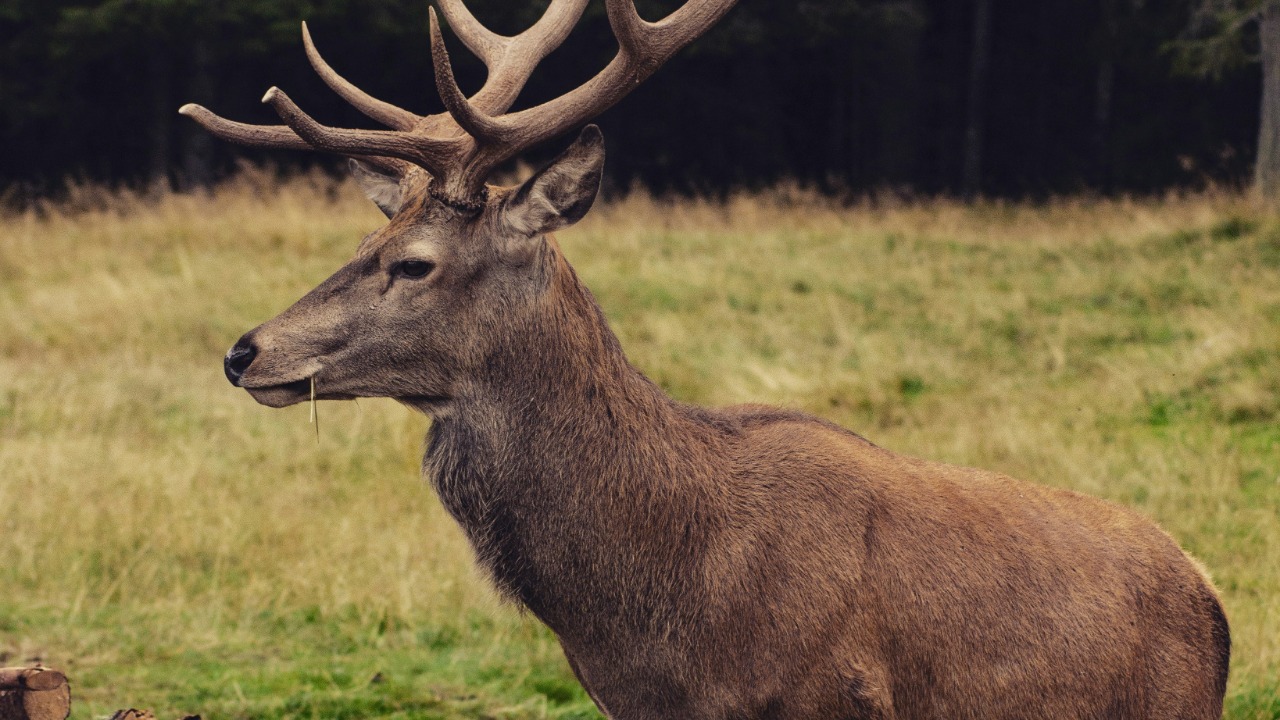
12 Cartridges that can damage deer meat even with proper shot placement
Plenty of popular deer rounds will drop a whitetail cleanly, yet still wreck shoulders and ribs even when you put the bullet right where it belongs. After listening to detailed cartridge talk on the Real Talk podcast, I keep coming back to how velocity, bullet construction, and impact angle can turn a perfect shot into a pile of bloodshot trim.
1. .243 Winchester
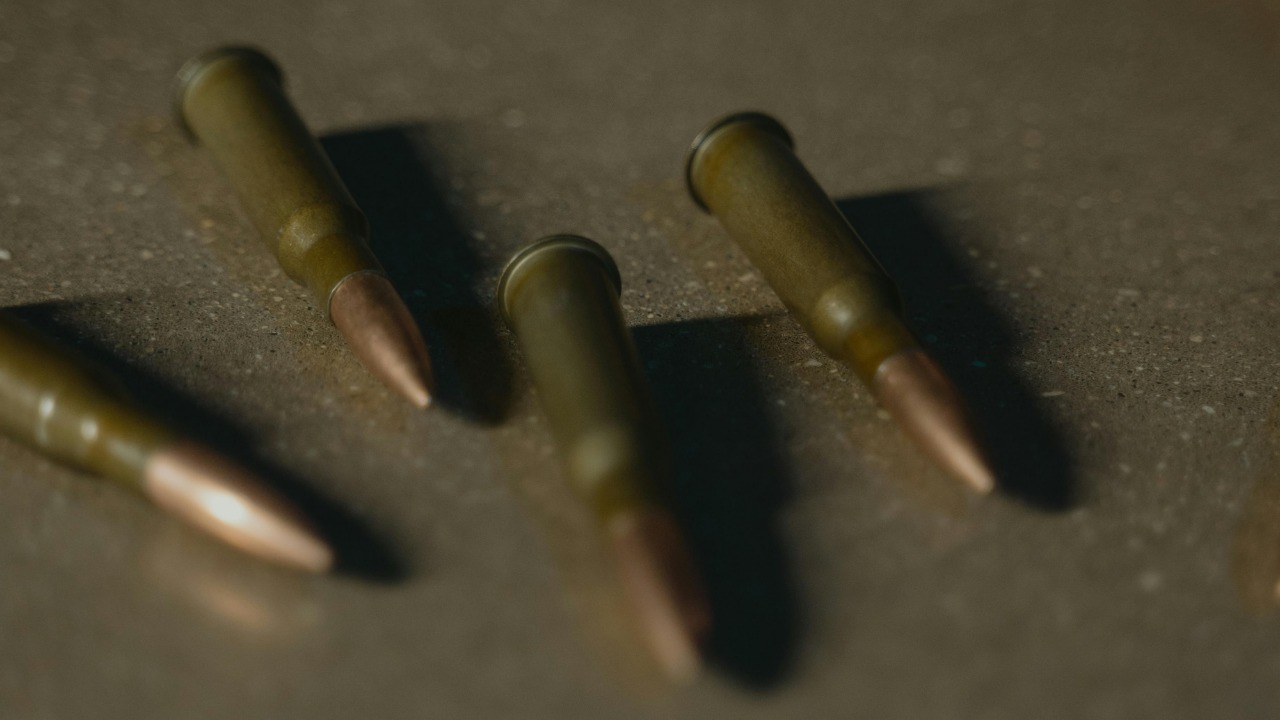
The .243 Winchester is a classic “kid’s deer rifle,” but its high velocity can be brutal on meat when bullets are light and soft. On the Real Talk podcast, the hosts walk through how fast 6mm bullets can grenade in the ribs, turning the top of the shoulders into jelly even when the lungs are centered and the deer dies quickly.
That kind of disruption shows up most when hunters pick thin-jacketed varmint bullets instead of controlled-expansion designs. The lesson is not that the .243 Winchester is unethical, but that anyone who cares about venison needs to match bullet construction to impact speed or accept losing a lot of front-shoulder roasts.
2. 6mm Remington
The 6mm Remington runs in the same performance neighborhood as the .243, and the Real Talk crew flags it for the same meat-wrecking tendencies. With similar case capacity and bullet weights, it can drive light projectiles so fast that they fragment violently in the chest cavity, bruising everything around the wound channel.
One writer even notes that, after so much success with the 243 Winchester, Our shooting editor would not bother with the 6mm Remington at all. For hunters, that kind of skepticism underscores how marginal gains in trajectory are not worth the extra bloodshot meat when a tougher bullet in a slightly slower cartridge would do less damage.
3. .25-06 Remington
The .25-06 Remington is often praised for flat trajectory, but that speed comes with a cost in the skinning shed. On Real Talk, the hosts point out that when you push light .25-caliber bullets hard, they tend to open instantly on bone, shredding shoulders and turning rib meat into a mess even when the shot is tight behind the foreleg.
Hunters on long-range forums echo that concern, noting that the old 25-06 Remington and 270 Winchester “shot flatter” than newer rounds yet still raised questions about whether they should be used on deer at close range. One discussion of how the old 25-06 Remington behaves reminds me that clean kills are not the only metric, especially when you are trying to fill a freezer efficiently.
4. .270 Winchester
The .270 Winchester has probably killed more whitetails than most cartridges on this list, but it can be rough on meat with light, fast bullets. Real Talk guests describe how classic 130-grain loads, impacting at high speed inside 100 yards, can create a wide swath of bloodshot tissue around the lungs and shoulders.
That damage is not about lethality, which is excellent, but about how much usable venison you lose on a broadside shot. When a cartridge is known for flat shooting and high velocity, it tempts hunters into close-range shots with bullets that were really designed for longer distances, and the meat often pays the price.
5. .280 Remington
The .280 Remington sits between the .270 and .30-06 in bore size, and Real Talk discussions often frame it as a balanced big-game round. Even so, its ballistics can still bruise a lot of meat when bullets are soft and impact speeds are high, especially on quartering shots that drive through both shoulders.
In that scenario, the bullet may expand early, dump energy fast, and leave a wide cone of damaged tissue around the exit. For hunters who value every pound of venison, the takeaway is to lean toward tougher bullets and avoid raking shots that force the .280 Remington to plow through heavy bone and muscle unnecessarily.
6. 7mm-08 Remington
The 7mm-08 Remington is often recommended for recoil-sensitive hunters, but Real Talk commentary notes that it can still be a meat-wrecker with the wrong bullet. Medium-weight 7mm bullets at moderate speeds sound gentle, yet some cup-and-core designs tend to fragment on the near shoulder, peppering the off-side with shrapnel.
That fragmentation can ruin the top of the off-side shoulder and a good chunk of rib meat even when the lungs are perfectly centered. For anyone setting up a 7mm-08 Remington, the smart move is to pick controlled-expansion bullets and aim for the crease behind the shoulder instead of driving shots straight through heavy bone.
7. .308 Winchester
The .308 Winchester is a workhorse deer cartridge, but Real Talk guests still flag over-penetration and internal disruption as meat-loss issues. With traditional 150- or 165-grain bullets, the .308 Winchester can punch through both shoulders and exit with plenty of velocity left, leaving a long, bruised wound track.
That is especially true when hunters favor broadside shoulder shots to anchor deer quickly. While that approach works, it often means sacrificing both front shoulders. For meat-focused hunters, sliding the impact a few inches back into the ribs and choosing a bullet that holds together can keep more roasts intact without giving up reliable kills.
8. .30-06 Springfield
The .30-06 Springfield adds a bit more case capacity over the .308, and Real Talk conversations highlight how that extra speed can increase hydrostatic shock. When a 150-grain bullet hits the chest at close range, the pressure wave can damage tissue well beyond the visible wound channel, especially in smaller-bodied deer.
That shock effect is part of why the .30-06 Springfield drops deer so decisively, but it also explains why rib meat and shoulders can look bruised and bloodshot even when the shot is textbook. Hunters who want to keep using this classic should consider heavier bullets at moderate velocities to tame some of that internal violence.
9. .300 Winchester Magnum
The .300 Winchester Magnum is built for reach and power, and Real Talk experts are blunt about what that means for venison at typical whitetail ranges. At 50 to 150 yards, impact velocities can be so high that standard bullets open explosively, shredding lungs, shoulders, and a big ring of surrounding meat.
That kind of destruction might be acceptable on elk, but on a 150-pound whitetail it often feels excessive. If you insist on the .300 Winchester Magnum for deer, the only way to keep meat loss reasonable is to use tough bullets, avoid shoulder shots, and treat it as a long-range tool instead of a woods gun.
10. 7mm Remington Magnum
The 7mm Remington Magnum shows up often in Real Talk cartridge debates for the same reason as the .300 magnums, velocity-driven internal damage. Its sleek 7mm bullets hold speed well, so at normal deer distances they can hit with tremendous energy and expand violently, wiping out lungs and nearby muscle.
That performance is great for big western game, but on whitetails it can mean losing both shoulders and a lot of rib meat on a perfect broadside shot. Hunters who favor the 7mm Remington Magnum should think hard about impact distance and bullet design if they want more steaks and fewer bloodshot scraps.
11. .338 Winchester Magnum
The .338 Winchester Magnum is a heavy hitter that Real Talk guests usually reserve for large game, yet some hunters still carry it for deer. With big, wide bullets and plenty of powder behind them, the cartridge tends to create broad impact zones that spoil meat even when the vitals are centered.
On a whitetail-sized animal, that often means both shoulders are destroyed and the ribs are badly bruised. The cartridge will certainly kill cleanly, but if your priority is venison, it is hard to justify the .338 Winchester Magnum when milder rounds can do the job with far less waste.
12. .35 Whelen
The .35 Whelen takes a .30-06 case and necks it up to .35 caliber, and Real Talk discussions note how its expansion traits can cause collateral damage. Large-diameter bullets that open quickly tend to plow big holes through the chest, tearing up lungs and the surrounding muscle even on ideal heart-lung shots.
That big frontal area is exactly what makes the .35 Whelen so effective on heavier game, but on deer it often translates into ruined shoulders and heavily bloodshot rib meat. For hunters who love the cartridge, the best way to protect venison is to choose tougher bullets and avoid steep quartering angles that force long paths through edible tissue.

Asher was raised in the woods and on the water, and it shows. He’s logged more hours behind a rifle and under a heavy pack than most men twice his age.