Landowner Says a Hunter Promised To Follow the Rules — Then Invited an Entire Group Without Asking
A rural landowner says a hunting arrangement broke down after a guest who agreed to strict property rules later brought additional people onto the land without permission. The situation has raised familiar concerns among private landowners about communication, trust, and how quickly informal agreements can fall apart once more people get involved.
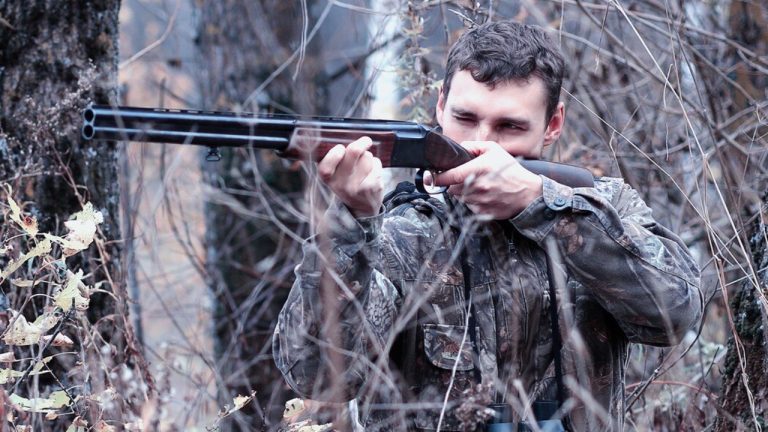
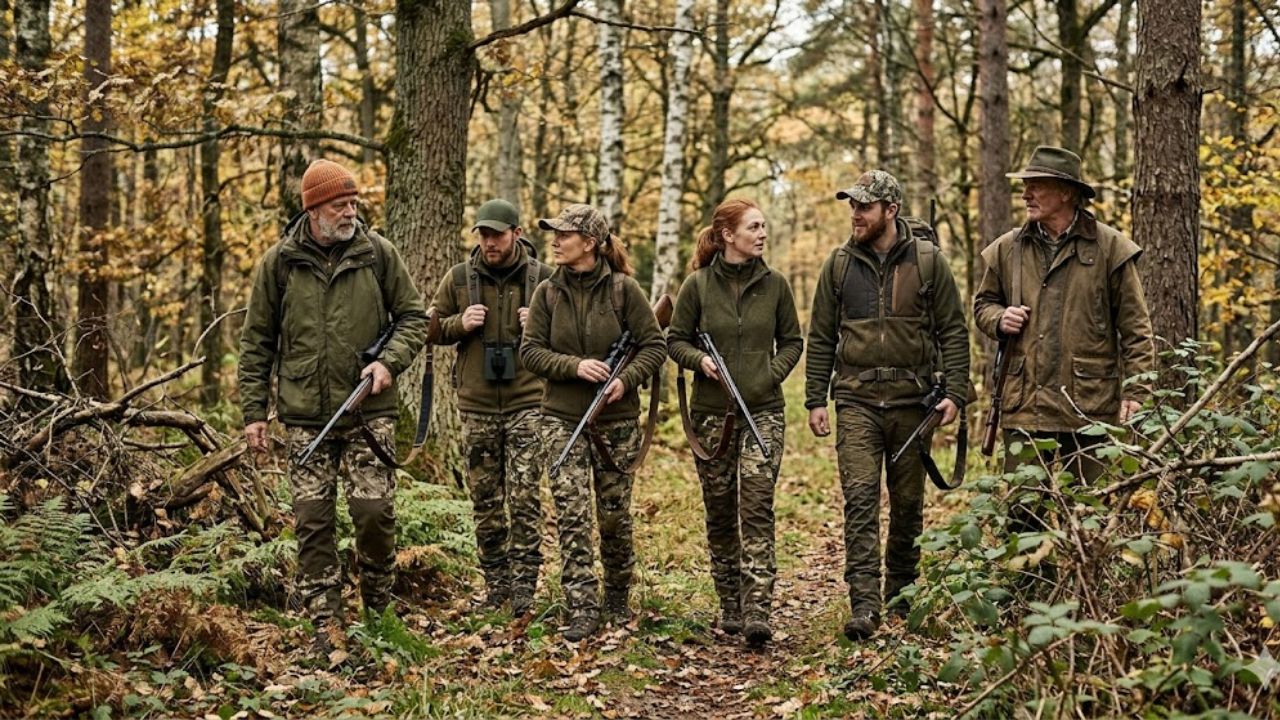
According to the account, the original agreement was straightforward: one hunter, clear boundaries, and rules set by the landowner. But that structure reportedly changed when the hunter invited a larger group without discussing it first, turning what was supposed to be a controlled setup into a crowded and unapproved outing.
Breakdown in trust over property access
For many private landowners, hunting access is based less on paperwork and more on trust. When that trust is violated, even in ways some might consider minor, it can end future access entirely. In this case, the concern wasn’t just numbers, but the lack of communication before changing the arrangement.
Landowners often set limits for safety, liability, and land management reasons. Adding more people than agreed can create issues with property damage, disturbance to wildlife patterns, and uncertainty about who is actually responsible for following the rules.
Why permission matters more than intention
From the hunter’s perspective, inviting others may have seemed like a harmless extension of an existing opportunity. But on private land, permission is tied directly to specific individuals and specific conditions. Changing those conditions without approval is often viewed as a violation of the agreement.
Even when there is no damage or incident, landowners may still respond firmly because the core issue is control of access. Once that control is loosened, it becomes harder to manage safety and expectations going forward.
Common tensions in private land hunting arrangements
Situations like this are not uncommon in rural areas where informal hunting agreements are based on verbal understanding rather than formal contracts. Miscommunication or assumption can easily lead to conflict, especially when multiple people are involved.
Landowners often emphasize clear boundaries — who is allowed, when they can come, and what rules must be followed. Hunters, on the other hand, may sometimes underestimate how strict those boundaries are, especially when sharing opportunities with friends or family.
What usually happens next in situations like this
In many cases, once trust is broken, landowners choose to end access entirely rather than renegotiate terms. Even if the situation is resolved in conversation, future permissions often become more limited or heavily supervised.
The broader takeaway is that access to private land depends heavily on consistent communication. When agreements are changed without asking, it rarely leads to flexibility — and more often leads to the end of the arrangement altogether.

Leo’s been tracking game and tuning gear since he could stand upright. He’s sharp, driven, and knows how to keep things running when conditions turn.