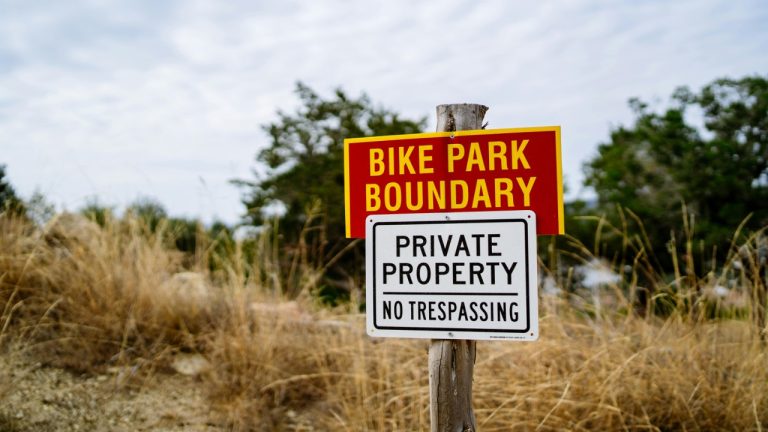
Landowner Says Hunters Started Leaving “Bait Piles” on His Property Despite Repeated Warnings
A landowner is raising concerns after claiming that hunters began leaving bait piles on his property despite being repeatedly told not to. According to his account, the issue started as occasional violations but gradually became more frequent, leading to frustration and growing concern over how the land is being used.
He says the property was not authorized for baiting practices and that clear instructions had already been given to avoid altering the natural conditions of the land. The situation has reportedly created tension between the landowner and individuals who had previously been allowed limited access for hunting purposes.
Claims about repeated violations
The landowner says initial warnings were verbal and direct, asking hunters to stop leaving food or attractants intended to draw game into specific areas. Despite that, he alleges the behavior continued, suggesting a breakdown in communication or disregard for the rules set for property use.
In many rural hunting arrangements, permission is often granted informally, but that permission can be limited or conditional. When those conditions are ignored, it can quickly lead to disputes, especially when land use expectations are not written down or formally enforced.
Concerns about safety and property management
Beyond frustration, the landowner also raised concerns about safety and control over the land. Leaving bait piles can change animal movement patterns, potentially affecting not only hunting activity but also how wildlife interacts with the property over time.
He argues that once unauthorized practices begin, it becomes harder to maintain consistent rules for everyone using the land. This can lead to confusion about what is allowed and what is not, especially if multiple individuals are accessing the area at different times.
Breakdown in trust between landowner and hunters
The situation reflects a broader issue often seen in private land hunting access: trust-based agreements that rely on informal understanding rather than written contracts. Once that trust is questioned, even small violations can escalate into larger conflicts.
The landowner says he had previously allowed access under the expectation that rules would be respected without constant enforcement. Continued violations, however, have reportedly made him reconsider whether access should remain available at all.
Rules and expectations around baiting practices
In many regions, baiting laws vary widely, and landowners often set additional restrictions beyond legal requirements. Even where baiting is legal, private property owners may prohibit it entirely to maintain natural conditions or manage wildlife movement more predictably.
The dispute highlights how confusion can arise when hunters operate under assumptions that do not match the landowner’s specific rules. Clear communication is often essential to prevent misunderstandings from turning into ongoing conflict.
What could happen next
In situations like this, landowners typically respond by tightening access, posting clearer restrictions, or revoking permission entirely. If unauthorized activity continues, they may also escalate the issue through formal trespass warnings or legal steps depending on the severity of the violations.
For now, the landowner says the main goal is to stop the behavior and restore clear boundaries on how the property can be used. Whether access continues will likely depend on whether those boundaries are respected going forward.

Leo’s been tracking game and tuning gear since he could stand upright. He’s sharp, driven, and knows how to keep things running when conditions turn.