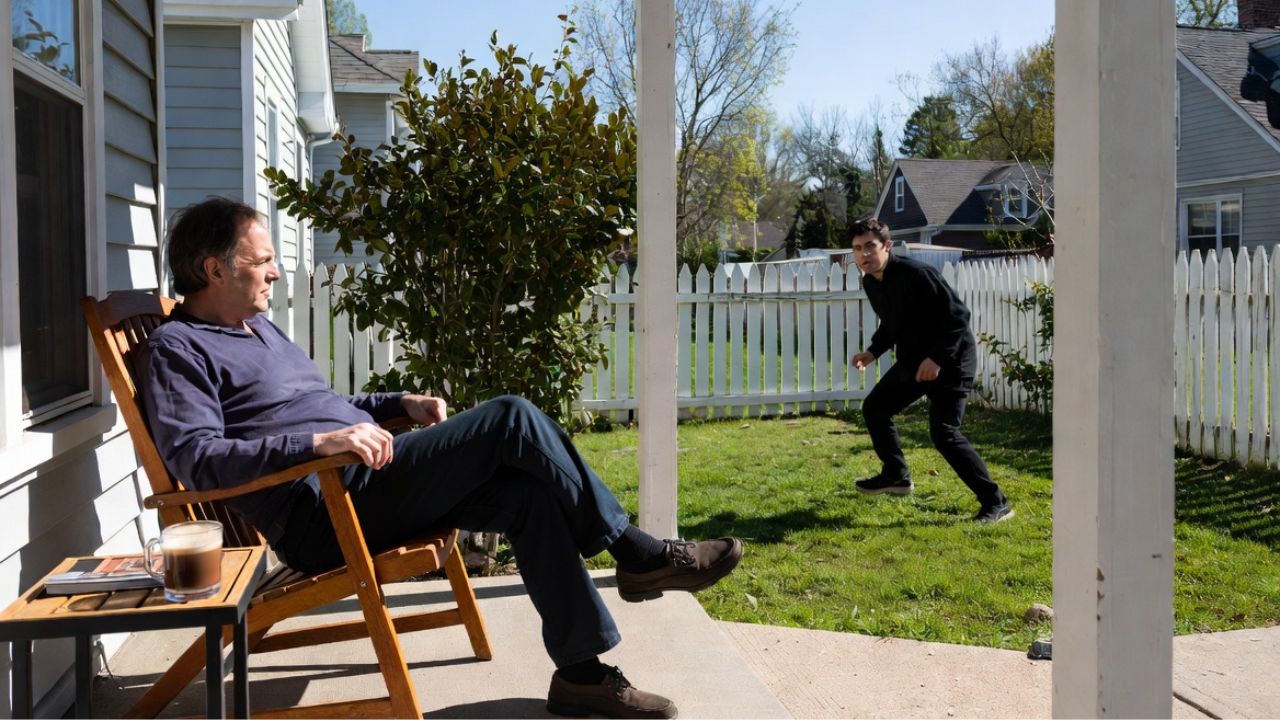
Legal experts warn: wrong response after confronting trespasser on your property could lead to serious charges
Legal experts are warning homeowners that the way they respond to trespassers can carry major legal consequences, especially if a confrontation turns physical. While many people assume they automatically have broad rights on their own property, attorneys say the law is often more complicated than people realize.
The biggest issue usually comes down to whether the response was considered reasonable under the circumstances. In many states, property owners can defend themselves if they believe they are in immediate danger, but using force against someone who is only trespassing can quickly cross legal lines depending on what actually happened.
Why trespassing cases become legally complicated
A lot of people think simply being on private property gives a homeowner unlimited authority to act, but that’s not how most laws are written. Legal experts often point out that trespassing by itself does not automatically justify violent force.
Investigators usually look closely at factors like whether the trespasser was armed, whether threats were made, and whether the property owner had a safe option to avoid escalation. Those details can determine whether someone is viewed as defending themselves or committing a crime.
Self-defense laws vary heavily by state
One reason these cases become confusing is because self-defense laws differ across the country. Some states have strong “castle doctrine” protections, while others place tighter limits on when force is legally justified.
Even in states with broader protections, legal experts say there are still limits. A homeowner may legally defend themselves against an immediate threat, but continuing force after the danger ends can create serious legal problems. That’s why prosecutors often focus heavily on timeline and intent during investigations.
Experts say emotions often make situations worse
Confrontations involving trespassers tend to happen fast, especially late at night or in stressful situations where fear and adrenaline take over. Legal analysts say that emotional reactions can cause people to make decisions they later regret.
In some cases, homeowners escalate situations by chasing, threatening, or physically confronting someone when it may have been safer to contact law enforcement instead. Experts warn that actions taken in anger rather than fear are much harder to defend legally if the situation ends in injury or death.
Surveillance footage and witness accounts matter
Modern investigations often rely heavily on home surveillance systems, phone video, and witness statements. Even partial footage can shape how prosecutors and juries interpret what happened during a confrontation.
Legal experts say these recordings sometimes support self-defense claims, but they can also reveal inconsistencies between what someone says happened and what actually occurred. Because of that, attorneys often advise people to avoid making emotional public statements immediately after an incident.
Why these warnings are becoming more common
As stories involving trespassers and homeowners spread online, legal experts say public misunderstanding around self-defense laws has grown. Viral videos and social media debates often simplify situations that are legally very complex.
That’s why attorneys continue warning property owners to understand the laws in their state before assuming what is or isn’t allowed. A decision made in seconds during a stressful encounter can lead to investigations, criminal charges, or lawsuits that last for years afterward.

Leo’s been tracking game and tuning gear since he could stand upright. He’s sharp, driven, and knows how to keep things running when conditions turn.