
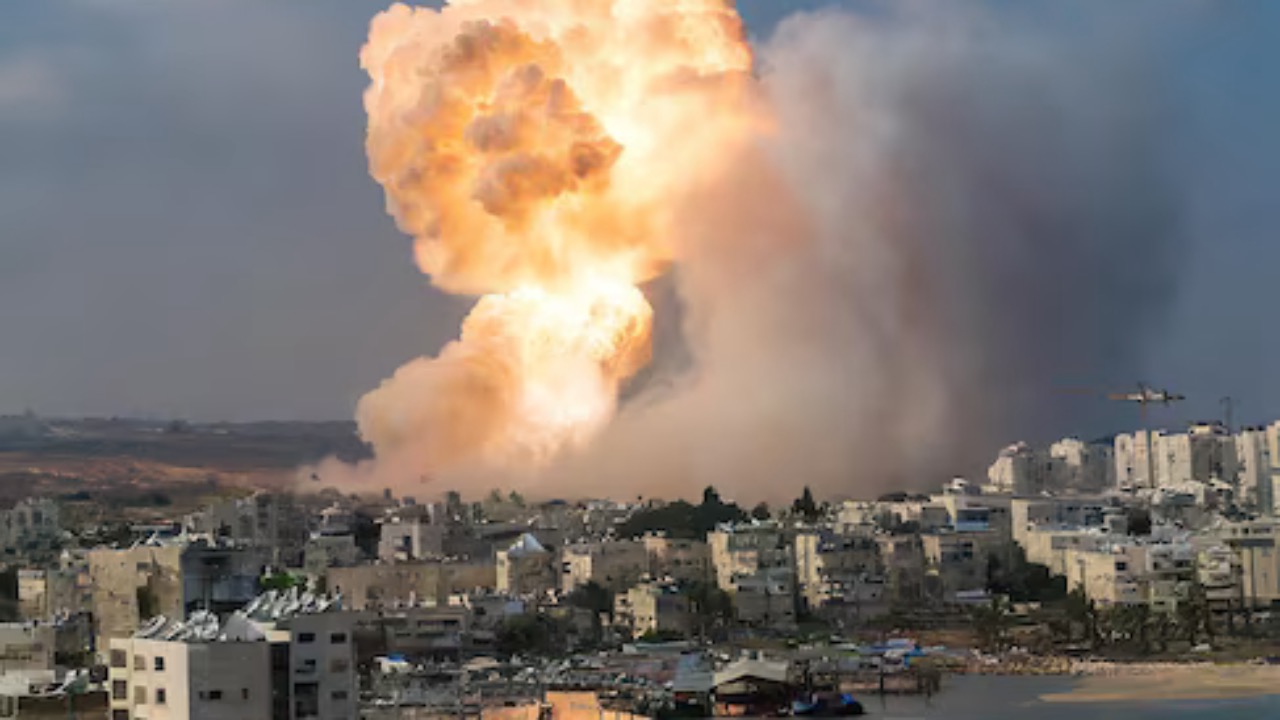
Iran Reels from Major U.S. Strike as Reports Say Supreme Leader Was Targeted
The Middle East is in the midst of a seismic shift after a joint U.S.-Israeli military operation struck deep inside Iran on February 28, 2026. The offensive, named Operation Epic Fury, was carried out against multiple targets across Tehran and other cities, including areas connected to Iran’s leadership and military infrastructure.
Explosions rocked the capital as missiles hit sites near the compound of Ayatollah Ali Khamenei, the country’s Supreme Leader. Satellite imagery shows widespread damage inside his fortified residence, though Iranian officials insist he was relocated beforehand and remains alive.
Iran’s retaliation was swift, with ballistic missiles and drones fired at U.S. bases in the region, heightening fears of broader conflict. Civilians and governments alike are now grappling with what this escalation means for the region’s future.
The Strike on Khamenei’s Compound
In the early hours of February 28, missiles launched by U.S. and Israeli forces struck Tehran, targeting sites tied to Iran’s political leadership. Reports and imagery show extensive damage inside the Supreme Leader’s compound, with several buildings collapsed and smoke rising over the area.
Officials have been tight-lipped on whether Ayatollah Ali Khamenei was present during the attack. Iranian foreign minister Abbas Araghchi told international outlets he believed Khamenei was still alive, suggesting he was moved to a secure location ahead of time.
The strikes also hit military and intelligence sites across multiple cities, demonstrating a level of precision planning and coordination with Israel’s forces. This marks one of the most direct assaults on Iran’s leadership infrastructure in recent memory.
Panic and Uncertainty Across Iran
For ordinary Iranians, the strike triggered a wave of fear and uncertainty. Explosions in Tehran, Isfahan, and other urban centers sent residents rushing to shelter or make plans to leave. Long lines formed at gas stations as people prepared for possible further escalation.
Schools and universities were closed on short notice, and many families scrambled to gather loved ones and secure basic supplies. The shock of missiles hitting the capital — and the possibility that the country’s top leader was a target — has shaken public confidence.
Inside Iran, reactions vary. Some blame the clerical regime for bringing danger to the country, while others condemn foreign intervention. But the immediate mood is one of alarm and heightened concern over what comes next.
Tehran’s Military Response
Not long after the initial assault, Iran’s Revolutionary Guard launched ballistic missiles and drones toward U.S. military installations in the Persian Gulf region. Bases in Bahrain, Kuwait, and Qatar were reportedly targeted as part of Tehran’s retaliation.
Airspace closures and disruption of regional flights followed, as governments scrambled to assess risks to civilian aviation and public safety. Smoke over Tehran and rising tensions in Gulf states underline how quickly a localized strike has rippled outward.
Iran’s military response signals that Tehran is prepared to use its own capabilities to counter foreign strikes, forcing regional allies and enemies alike to reconsider their positions.
U.S. Justification and Messaging
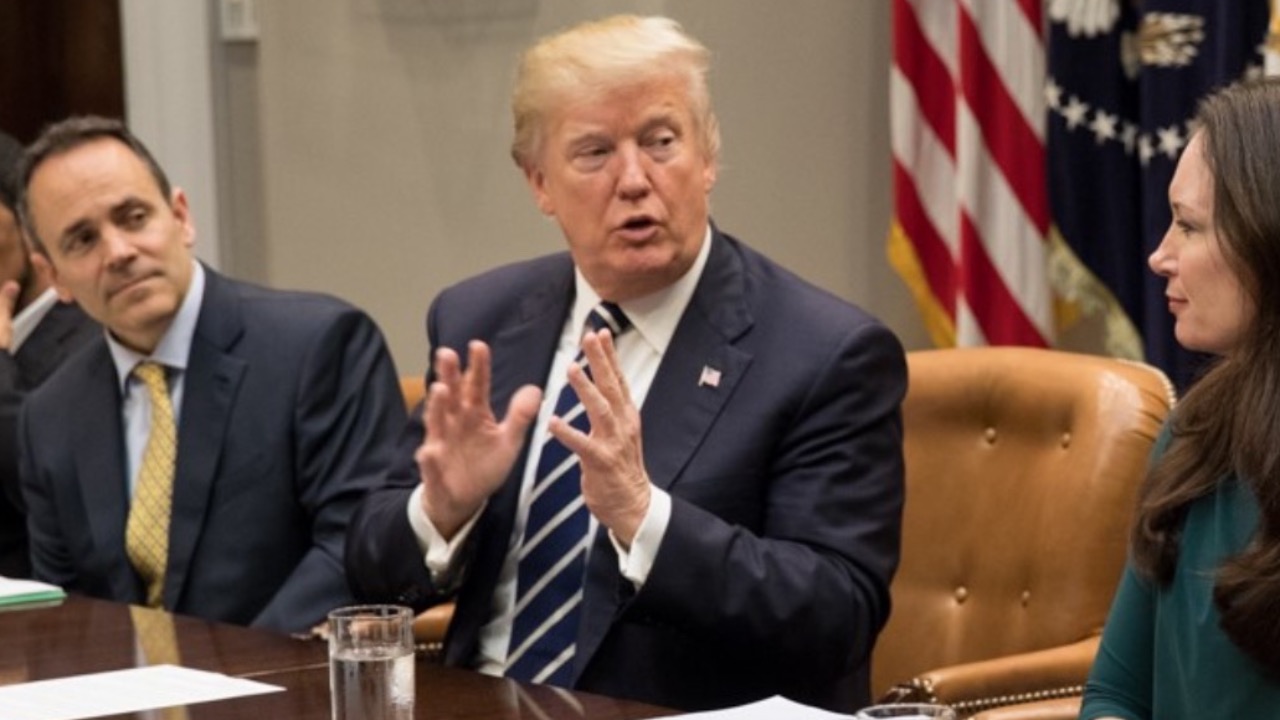
U.S. leaders have broadly framed the strike as a defensive measure against what they see as an imminent threat from Iran’s regime. President Trump described the operation as necessary to neutralize dangers posed by Iran’s military and nuclear ambitions and suggested that it could create conditions for political change within the country.
His message to Iranians emphasized overthrowing their government, a provocative stance that undercuts diplomatic avenues and signals a willingness to apply force toward regime change.
This public framing diverges sharply from past U.S. rhetoric that emphasized measured deterrence, and it has triggered both praise and sharp criticism internationally.
Global Reactions and Diplomacy
World leaders have responded with a mix of alarm and restraint. European governments expressed concern about escalation and urged a return to diplomatic negotiations rather than military confrontation. Russia and China condemned the strikes, accusing the U.S. and Israel of aggression and violation of sovereignty.
International bodies like the EU called for restraint and respect for international law, even as some Western nations backed the strikes on the grounds of countering destabilizing activities by Tehran.
The conflict has revived discussions about nuclear proliferation, regional security, and the role of great powers in Middle Eastern conflicts. The possibility of a broader war looms as leaders weigh their next steps.
What Comes Next
The situation remains fluid. Iran has vowed a strong response to what it calls “cowardly” attacks, and its missile strikes underscore that Tehran is willing to escalate militarily.
At the same time, global powers are pushing for de-escalation and renewed negotiations, though trust between parties is at a low point. The balance between continued military action and diplomatic engagement will shape the region in the days and weeks ahead.
With civilians already bearing the brunt of the strikes and the potential for further retaliation high, the stakes couldn’t be higher for stability in the Middle East.

Asher was raised in the woods and on the water, and it shows. He’s logged more hours behind a rifle and under a heavy pack than most men twice his age.


