Mike Lee Introduces National Constitutional Carry Bill to Challenge State Gun Restrictions
Senator Mike Lee of Utah is pushing a sweeping new gun bill that would take the fight over firearms far beyond state capitals. His National Constitutional Carry Act aims to establish permitless carry nationwide and sharply limit how states can regulate who carries a gun and where. The proposal has already drawn strong praise from gun rights groups and alarm from advocates of stricter gun laws, setting up a fresh clash over the reach of the Second Amendment.
At its core, the measure attempts to convert the right to keep and bear arms into what supporters call a de facto national carry license, stripping away many state-level permitting rules and restrictions. It tests how far Congress can go in preempting state authority in the name of individual rights, and whether a closely divided Washington has any appetite for a federal reset of gun policy.
What Mike Lee’s National Constitutional Carry Act Would Do
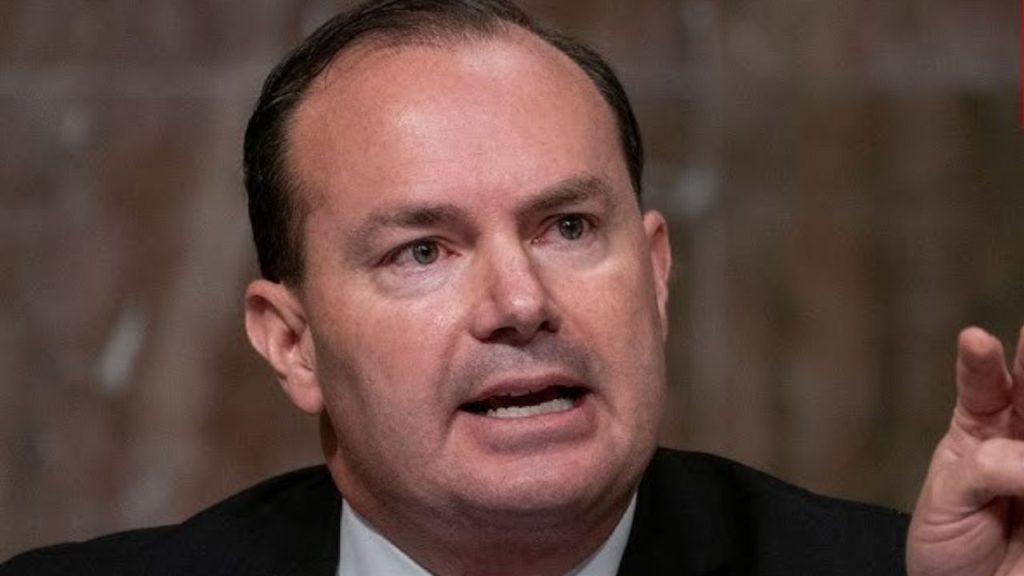
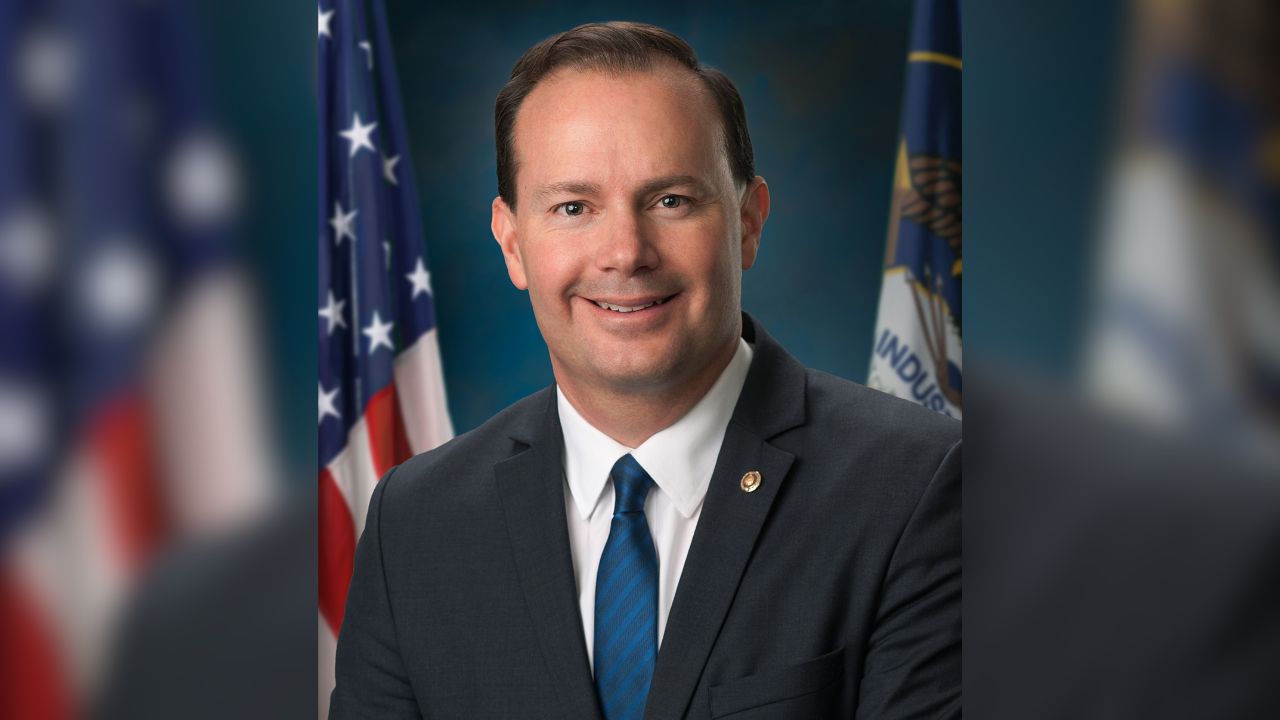
Senator Mike Lee has framed his National Constitutional Carry Act as a direct response to what he describes as “hostile” local officials and restrictive state laws that treat carrying a firearm as a privilege instead of a right. In public comments highlighted in a recent report, Lee argued that The Founders created a national right to keep and bear arms, not a system in which citizens must seek permission from local authorities.
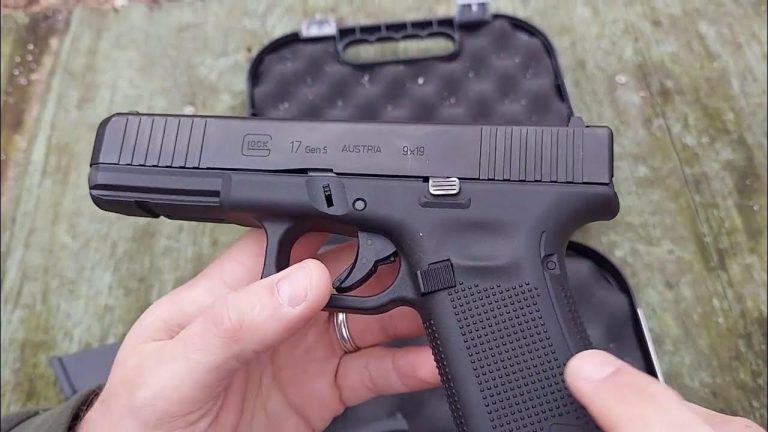
The bill would allow eligible citizens to carry concealed firearms across the country without needing a state-issued permit, as long as they are allowed to own a gun under federal law. Under the proposal, a person who can legally possess a firearm could carry it in public, even in a state that currently requires a permit, training course, or background check specifically for concealed carry.
Lee’s proposal would also preempt a wide range of state and local rules that govern how firearms are carried. Coverage of the measure explains that it is designed to override state laws that restrict carrying loaded firearms in motor vehicles and other public places, effectively standardizing carry rights nationwide. One account of the legislation notes that it aims “to preempt state laws governing the carry of firearms,” including rules about carrying loaded firearms in vehicles and public areas, a description detailed in local coverage.
The legislation is not a complete wipeout of every state firearm rule. Reporting on the bill explains that it would preserve some existing federal prohibitions, such as restrictions on felons possessing guns, and it would not eliminate all state-level regulations. Even so, it targets the core of permit-based carry systems by treating the Second Amendment as sufficient authorization to carry a concealed weapon in public.
How the Bill Targets State-Level Gun Restrictions
The most aggressive feature of the National Constitutional Carry Act is its attempt to cut across what Lee and his allies call “legalistic red tape” in states that do not already allow permitless carry. According to one detailed description, Lee’s proposal would apply in the 31 states that do not recognize constitutional carry and would guarantee that federal law preempts state rules on where and how law-abiding citizens can carry a firearm. That same description specifies that state restrictions on magazine size would be preempted as well, a claim outlined in a separate section of the same report.
In practice, that would mean a resident of a state with strict carry rules could carry a concealed handgun without applying for a permit or complying with local training mandates, as long as the person is otherwise eligible to own a firearm. It would also mean that limits on magazine capacity, which several states use to cap the number of rounds in a firearm, would be displaced by federal law for those covered by the act.
Supporters argue that this kind of preemption is necessary because some states have responded to recent Supreme Court decisions by layering on new restrictions that, in their view, defy the spirit of the Second Amendment. They point to permit systems that require subjective “good cause” standards, high fees, or long processing times as ways to discourage lawful carry. Lee’s bill effectively treats those structures as barriers that Congress should remove.
Opponents, including many state-level officials and gun control advocates, warn that such a federal override would strip communities of the ability to tailor gun policy to local conditions. They argue that dense urban areas, border regions, and states that have invested in background checks and training would lose tools they consider essential for public safety. Those critics see the bill as a direct challenge to the traditional police powers of states to regulate weapons within their borders.
Lee’s Argument: A National Right, Not Local Permission
Senator Mike Lee has framed the debate in constitutional terms. In his view, the Second Amendment is a national guarantee that should not vary dramatically from one state line to the next. He has stated that “The Founders established a national right to keep and bear arms, not to ask for permission from hostile local officials or risk imprisonment for exercising it,” a formulation highlighted in coverage of his rollout of the bill and echoed in the description of his.
Lee’s office has promoted the National Constitutional Carry Act as a measure to “keep America safe and her people free,” tying the policy to both public safety and individual liberty. That framing reflects a broader argument among gun rights advocates that lawful carry by responsible citizens deters crime and empowers people to defend themselves when police are minutes away.
The senator has also linked the bill to his broader legislative agenda. A summary of his recent work notes that U.S. Senator Mike Lee (R-UT) has been active on a range of issues, including veterans’ care, as part of his duties in Washington. A tagged overview on his official site lists how Senator Mike Lee has recently cosponsored legislation on Better Care for Veterans, suggesting that he sees constitutional carry as one piece of a broader federal agenda rather than an isolated initiative.
By casting the bill as a restoration of founding principles, Lee is also positioning it within ongoing legal debates about how courts should interpret the Second Amendment. Supporters of his approach argue that the right to bear arms should receive the same kind of nationwide protection that courts have given to free speech or religious liberty, with only narrow room for state variation.
Support from Gun Rights Organizations
Gun rights groups have quickly lined up behind the National Constitutional Carry Act, describing it as a long-sought chance to extend permitless carry across the country. Gun Owners of America, a national advocacy organization, has been especially vocal. In a statement from Washington, D.C., the group said it is “proud to endorse Senator Mike Lee of Utah’s bill, the National Constitutional Carry Act,” and urged supporters to rally behind it, as reflected in the group’s endorsement announcement.
Gun Owners of America has framed the measure as a way to make the Second Amendment itself the only permit a law-abiding American needs to carry a firearm. On social media, the group highlighted that Senator Mike Lee “just introduced the GOA-backed National Constitutional Carry Act,” describing the bill as building on work by Rep. Thomas Massie and celebrating it as a major step for constitutional carry, a message that appeared in the group’s Facebook post.
The National Rifle Association has also promoted the bill. A statement shared with its followers described the National Constitutional Carry Act, introduced by United States Senator Mike Lee, as a measure that would allow eligible citizens to carry concealed firearms across state lines without having to navigate a patchwork of local permits. The group characterized the act as a way to protect standard capacity magazines and prevent efforts to confiscate them, language reflected in its description of the.
Advocacy campaigns have already sprung up around the bill. One online action page urges supporters to “Pass The National Constitutional Carry Act” and argues that the measure would “make the 2nd Amendment your carry permit,” inviting users to contact lawmakers and press for passage. The campaign’s description of The National Constitutional Carry Act as a tool to treat the Amendment itself as a permit appears in the online advocacy text.
How the Bill Fits into the National Gun Debate
Lee’s proposal arrives at a moment when gun policy is deeply polarized and heavily litigated. Several states have adopted permitless carry in recent years, while others have tightened rules in response to mass shootings and rising concerns about gun violence. The National Constitutional Carry Act would effectively choose sides in that state-level divide by imposing a broad federal standard aligned with the most permissive state policies.
Backers argue that a national carry rule would simplify life for gun owners who travel and reduce the risk that someone could face criminal charges for crossing an invisible legal boundary. They point to stories of drivers arrested for having a lawfully owned firearm in a glove compartment while passing through a stricter state, and they contend that a single federal rule would prevent such outcomes.
Critics counter that the bill would undercut measures that have broad support in some states, such as training requirements, background checks tied to carry licenses, and restrictions on carrying guns in sensitive places like stadiums or mass transit. They argue that those policies are part of a broader strategy to reduce gun deaths and that removing them could increase risks, particularly in crowded cities or areas with high crime rates.
Legal scholars are also watching how far Congress is willing to go in asserting federal power over gun regulation. While the Second Amendment limits what states can do, the Constitution also reserves significant authority to the states over public safety. A federal law that aggressively preempts state gun rules could invite court challenges that test the boundaries between those two principles.
Political Prospects and Next Steps
The path forward for the National Constitutional Carry Act is uncertain. Support from groups like Gun Owners of America and the National Rifle Association gives the bill a strong base within the gun rights movement, and Lee’s role as a high-profile senator from Utah ensures it will receive attention in Washington. A summary of his recent activity out of Washington notes that Senator Mike Lee has been actively introducing and cosponsoring multiple pieces of legislation, including work on veterans’ issues, as recorded in the tagged overview of his efforts.
Advocates are already trying to shape public opinion. Gun Owners of America has urged its members to contact Congress and press for passage, while allied organizations have launched petitions and social media campaigns. The early endorsements suggest that the bill will become a rallying point for activists who want to expand constitutional carry nationwide.
Opponents are likely to respond with their own mobilization, warning that the legislation would override the will of voters in states that have chosen stricter gun policies through referendums or legislative action. They may also focus on specific provisions, such as the preemption of magazine capacity limits, to argue that the bill goes beyond carry rights and into broader deregulation of firearms.

Leo’s been tracking game and tuning gear since he could stand upright. He’s sharp, driven, and knows how to keep things running when conditions turn.