National Park Service Highlights Repeated Visitor Deaths From Ignoring Posted Warnings
National parks draw millions of visitors each year with their dramatic landscapes and open spaces. Yet the National Park Service keeps seeing the same pattern play out: people walk past posted warnings, step beyond barriers, or leave marked paths, and the results turn deadly. Rangers and safety reports document these incidents repeatedly, not to scold but to underline a simple reality. When you treat those signs as optional, the ground under your feet or the water nearby can claim a life in seconds. The agency tracks hundreds of such cases across decades, with falls, burns, and other preventable accidents topping the lists. Staying on the designated routes and respecting closures protects you and everyone else who shares these places.
A deadly crossing in Hawaii Volcanoes National Park
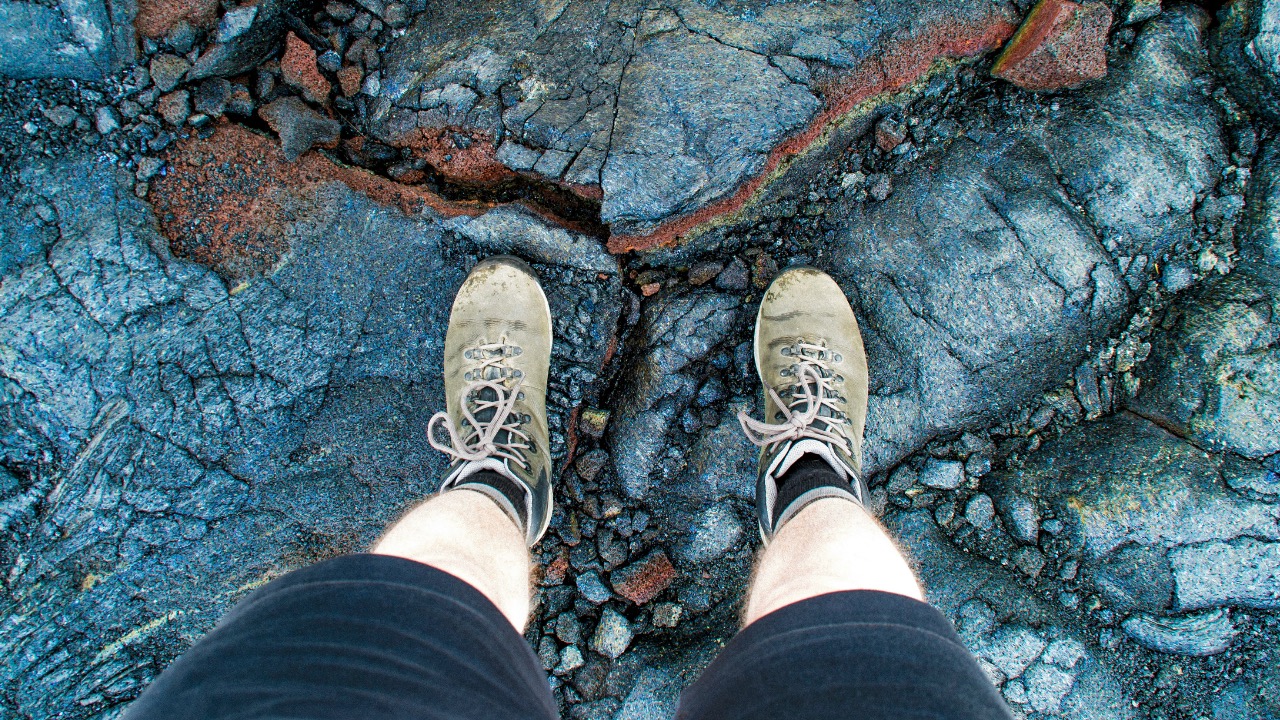
A 33-year-old man from Hawaii decided to enter a closed section of the Kīlauea caldera earlier this year. Warning signs and barriers marked the area off limits because of unstable ground and hazardous fumes. He went in anyway. Park teams launched an overnight search in steep, difficult terrain, but he did not survive. Officials later noted that fumes can shift without notice in that zone. The incident fits a larger trend the National Park Service has flagged before. Visitors sometimes push into restricted spots for a better photo or closer look. In every case the agency reviews, the posted rules existed for one reason only. They keep people from stepping where the earth itself becomes the threat.
Rangers emphasize that closed areas exist because conditions change fast. What looks solid can give way or release gases you cannot see coming. You might feel tempted to test the boundary for a minute or two. That minute has ended badly for more than one person in recent years. The park continues to remind everyone that the signs are not suggestions. They reflect real hazards mapped out over time by experts who know the ground best. Ignoring them does not make the danger disappear.
Thermal burns that keep happening at Yellowstone
Yellowstone National Park posts clear warnings around its hot springs and geysers for a reason. Roughly twenty people have died from burns after entering those zones since the park opened in 1872. In one recent case a 17-year-old hiker stepped off the trail near Lone Star Geyser. His foot broke through the thin crust and plunged into scalding water. He suffered severe burns that required hospital care. Park staff repeated the same message afterward: stay on the boardwalks because the ground can collapse without warning.
The thermal features sit atop an active volcanic system. Acidic water hides just beneath a fragile surface that looks like ordinary dirt. You see the signs every few feet telling you exactly that. Still, some hikers leave the path to get a better angle or feel the heat up close. Rangers have responded to similar incidents multiple times in the past year alone. Each one ends with the same outcome. The person learns the hard way why those yellow markers and ropes exist. The park keeps updating its safety alerts because the pattern shows no sign of stopping.
Guardrails crossed at Bryce Canyon
Early last year a couple visiting Bryce Canyon National Park stepped past the safety guardrails at Inspiration Point. They wanted a different view of the hoodoos below. Both fell roughly 380 feet. Their cat, which had been with them, survived the drop. The National Park Service later confirmed the pair had left the established overlook area. Signs and railings stood in place precisely to prevent that kind of accident.
The park’s trails and viewing platforms follow routes engineers designed for safety. When visitors treat those barriers as optional, the loose rock and sheer drops take over. Bryce Canyon sees this kind of misstep more often than rangers would like. Officials point out that the railings exist because the terrain offers no second chances. One wrong foot placement on the edge and the fall becomes fatal. The surviving cat served as a quiet reminder of how thin the line can be between a normal visit and tragedy.
Rim falls that repeat at Grand Canyon
Grand Canyon National Park has recorded dozens of fatal falls from the rim in the past decade alone. Many involved people who walked past low barriers or ventured onto ledges for photos. The National Park Service notes that these spots often lack ropes or high walls because the park balances access with natural beauty. That balance works only when visitors respect the posted limits. One slip on loose gravel or a sudden gust of wind finishes the story.
Rangers recover bodies from below the rim several times each year after someone ignores the edge warnings. The canyon’s scale can trick the eye. What looks like a short step forward can drop hundreds of feet. The agency keeps repeating the message because new groups of visitors arrive every day unaware of how quickly things go wrong. Staying behind the barriers is not about missing the view. It is about making sure you leave the park the same way you arrived.
Slips near Yosemite’s rushing water
Yosemite National Park has seen multiple accidents in a single week near popular creek crossings and waterfalls. In one stretch four separate incidents required emergency help in four days. Visitors ignored signs and stepped onto wet rocks upstream from footbridges. Shoes lost traction on slick surfaces and people slid down steep faces. The National Park Service documented each case and reminded hikers that fast-moving water hides no second chances.
The park’s trails stay on solid ground for good reason. Spring runoff turns creeks into powerful currents that pull even strong swimmers under. Signs warn against climbing on rocks near the edge because moss and spray make footing unpredictable. Yet some hikers still treat the area like a playground. Rangers respond knowing the outcome often involves serious injury or worse. The pattern holds because the water never changes its mind about the rules.
Heat warnings that go unheeded in Death Valley
Death Valley National Park posts heat alerts in the most popular spots because temperatures regularly climb past 120 degrees. One to three visitors still die from heat-related causes each year despite the signs. Rangers treat overheated hikers multiple times a week during summer months. In one recent incident a motorcyclist collapsed after pushing through extreme conditions without enough water or rest. The park had temporary and permanent warnings in place.
The desert environment offers almost no shade once you leave paved areas. Signs tell you exactly how much water to carry and when to turn back. Heat exhaustion creeps up faster than most people expect. The National Park Service updates its messaging because visitors keep underestimating the risk. Following the posted advice on hydration and timing prevents the rescues that fill summer logs. The ground and sky do not negotiate with anyone who chooses to ignore them.
The pattern the National Park Service cannot ignore
Across the system the National Park Service records an average of seven deaths per week. A significant share traces back to people who walked past clear warnings or left marked routes. Falls, burns, and drownings top the unintentional causes when visitors treat barriers and signs as optional. Officials share these numbers not to discourage travel but to show that the same mistakes keep claiming lives year after year.
You arrive at these parks expecting adventure and beauty. The agency builds its safety system around the reality that nature does not bend for anyone. Staying on trails, respecting closures, and reading the signs takes almost no extra effort. It does, however, keep you from becoming another data point in the next report. The parks remain open because millions of people follow those basic rules every season. The ones who do not remind everyone else why the warnings stay posted in the first place.

Asher was raised in the woods and on the water, and it shows. He’s logged more hours behind a rifle and under a heavy pack than most men twice his age.