Naval Forces Intercept Tanker in Strait of Hormuz Amid Blockade Tensions
The Strait of Hormuz carries nearly a fifth of the world’s oil supply through its narrow channel, and right now it sits at the center of a sharp escalation. Naval forces have moved in to intercept tankers as a full blockade on Iranian ports takes effect, turning routine shipping into a high-stakes standoff. What started as diplomatic deadlock has shifted to direct enforcement at sea, with warships enforcing limits that affect energy markets far beyond the Gulf.
Origins of the Blockade
Diplomatic efforts in Pakistan collapsed without agreement, prompting the United States to impose a naval blockade on all Iranian ports. The move took effect in mid-April, with American warships positioned in the Gulf of Oman and Arabian Sea to stop vessels heading to or from Iranian waters. Officials described it as a way to cut off sea trade that supports most of Iran’s economy, without closing the strait itself to everyone else.
You see the difference in how the policy draws lines. Ships bound for other countries can still pass, but anything tied to Iranian ports faces warnings and redirection. This setup relies on patrols and radio contact rather than a wall of vessels inside the strait, keeping traffic moving where possible while applying pressure where it counts.
Naval Forces in Action
Destroyers and support ships handle the interceptions with practiced efficiency. Crews make radio contact first, instruct the tanker to change course, and monitor compliance from a distance. In several cases over the past week, vessels that left Iranian ports received clear orders to turn around before any escalation occurred.
The approach avoids unnecessary boarding when warnings suffice. Commanders emphasize maritime superiority in the area, using sensors and speed to intercept targets without lingering near the coast. This keeps operations contained while sending a consistent message to anyone testing the limits.
Tanker Encounters on Record
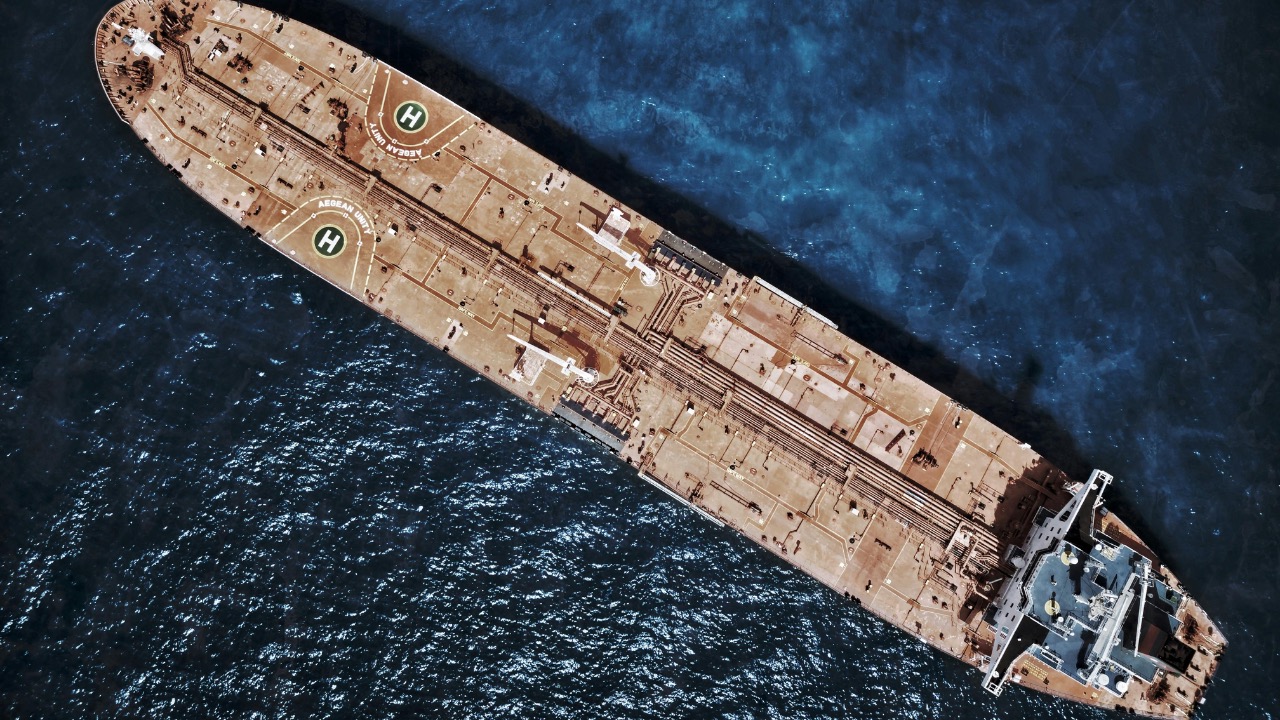
One destroyer recently stopped two oil tankers departing an Iranian facility and directed them back. Similar actions have involved at least half a dozen merchant ships in the early days of enforcement, with tracking data confirming the turnarounds. Some vessels carried crude or related cargo, others appeared linked to sanctioned routes.
These incidents happened quickly and without reported violence. Satellite and ship-tracking services captured the movements, showing tankers altering paths after contact. The pattern underscores how the blockade functions in real time, focusing on outbound and inbound traffic tied to the targeted ports.
Iran’s Countermeasures
Iran responded by tightening control over parts of the waterway, stopping several vessels that lacked what it called proper clearance. In one recent case, Iranian naval units intercepted Indian-flagged ships, including a large supertanker, and used warning shots to enforce the decision. The action followed their announcement of resumed restrictions on the strait.
This pushback adds another layer to the tensions. Iranian forces cite sovereignty and security needs, creating parallel enforcement that complicates passage for neutral shipping. The back-and-forth keeps mariners on edge as both sides assert their positions.
Disruptions to Shipping Routes
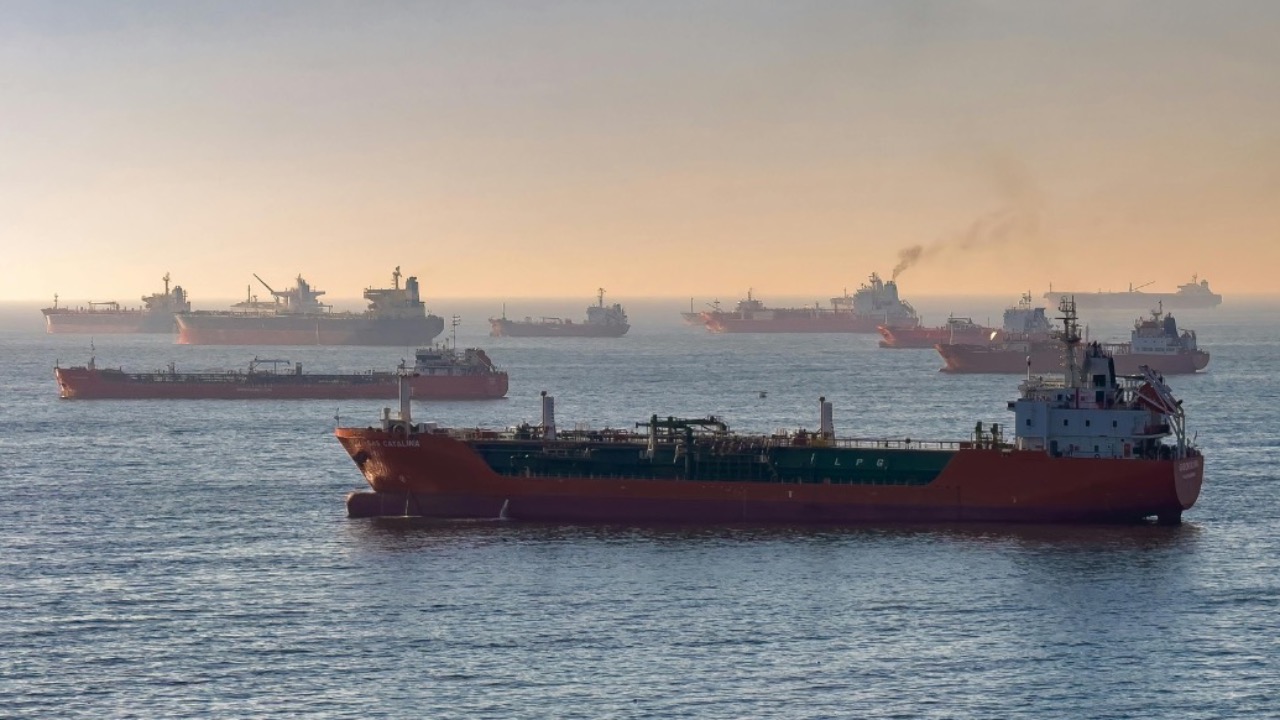
Traffic through the strait has slowed noticeably since the blockade began. Tankers have anchored outside the area or rerouted, waiting for clearer signals on safe transit. Data from maritime monitors shows reduced crossings in the first days, with some vessels making repeated attempts before turning away.
The ripple effects hit supply chains hard. Oil buyers and producers watch closely as delays mount, and crews face longer voyages or sudden halts. Even ships not directly targeted feel the pressure from heightened patrols and uncertainty in one of the busiest chokepoints.
Reactions from Other Countries
Nations with strong shipping ties to the region have voiced concerns over the growing risks. India lodged complaints after its vessels faced interceptions, while China watched its own tankers navigate the restrictions. Some flagged ships linked to broader trade networks have tested the waters, sometimes retreating after initial approaches.
These responses highlight the international stakes. Governments balance their energy needs against the enforcement actions, issuing statements that urge de-escalation while protecting their commercial interests. The situation draws in players beyond the immediate parties, as global markets absorb the strain.
Military Posture and Monitoring
American forces maintain a wide net across adjacent waters, supported by surveillance and rapid-response assets. Videos released by central command show helicopters and warships issuing direct instructions, underscoring readiness without constant confrontation. The goal remains halting unauthorized trade while preserving open navigation elsewhere.
You notice the emphasis on precision. Patrols focus on specific vessels rather than blanket stops, with commanders reporting steady progress toward their objectives. This measured presence aims to sustain pressure without triggering wider conflict in the waterway.
Looking Ahead in the Strait
The coming days will test whether the blockade holds or prompts further adjustments from all sides. Shipping data continues to shift, and diplomats weigh options for talks that could ease the restrictions. For now, the focus stays on enforcement at sea and the steady flow of reports from the region.
Maritime security remains the immediate priority as tankers and warships share the same crowded space. The developments carry weight for energy prices and regional stability, keeping observers tuned to every update from the Strait of Hormuz.

Asher was raised in the woods and on the water, and it shows. He’s logged more hours behind a rifle and under a heavy pack than most men twice his age.