
New “PEACE” Proposal Would Restrict Hunting, Fishing, Pest Control, and Certain Breeding Practices
The “PEACE” proposal in Oregon would do far more than tweak existing animal welfare rules. By removing long-standing exemptions in the state’s cruelty statutes, it aims to criminalize a wide range of practices that many residents see as routine, from hunting and fishing to pest control and livestock breeding. Supporters frame the measure as a moral reset on how animals are treated, while critics warn it would upend daily life, rural economies, and wildlife management across the state.
The fight over this initiative is already spilling beyond legal circles into social media, outdoor forums, and kitchen-table conversations. As signature gathering accelerates, Oregon is emerging as a test case for how far voters are willing to go in redefining the boundary between animal welfare and animal rights, and whether traditional activities like hunting and ranching can survive a sweeping rewrite of cruelty law.
What the PEACE proposal actually is
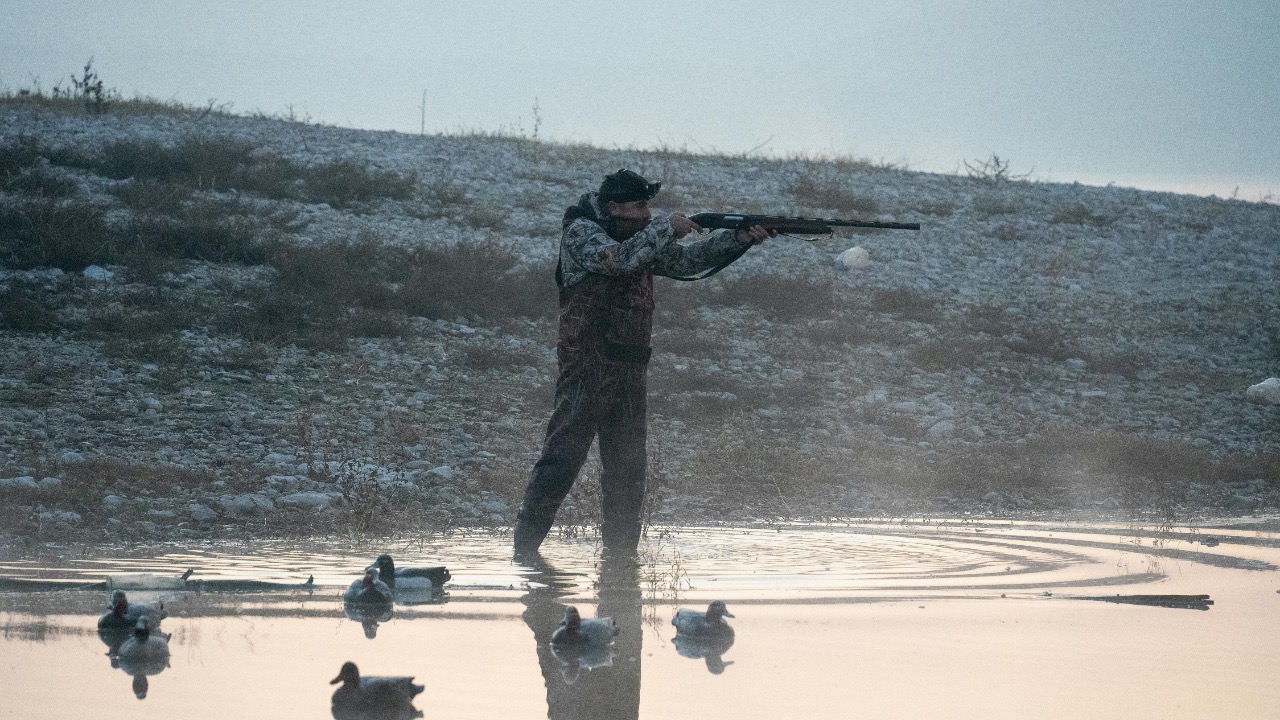
The campaign at the center of the debate is built around a statewide ballot measure formally described as the Oregon Remove Animal Cruelty Exceptions Initiative, often shortened in political shorthand to “PEACE.” The proposal would strike out many of the existing carveouts in Oregon’s cruelty code that currently shield activities such as hunting, fishing, trapping, livestock husbandry, and scientific research from prosecution. According to Oregon Remove Animal, the measure is being prepared for the 2026 ballot and would apply to any animal, whether wild or domesticated, that is capable of feeling pain.
Backers argue that the current list of exemptions is so broad that it effectively allows what they see as cruelty to continue under the banner of tradition or commerce. By targeting the exceptions instead of rewriting the entire statute, the initiative would flip the default setting: instead of certain practices being automatically legal, they would be judged under the same cruelty standards as any other act that harms an animal. The group behind the push has adopted the name People for the Elimination of Animal Cruelty Exemption, echoing the PEACE acronym and signaling that the legal shield for practices like sport hunting and conventional breeding is their central target.
How the measure would change current law
Under existing Oregon law, animal cruelty prohibitions sit alongside a detailed list of lawful activities that are exempt from prosecution, including hunting and fishing conducted under state regulations, standard livestock management, and pest control. The proposed initiative would remove many of those carveouts, which is why some legal analysts describe it as a structural rewrite of enforcement rather than a narrow tweak. The change would mean that actions currently defined as normal, such as killing a deer during an authorized season or trapping a coyote that threatens calves, could instead be evaluated as potential cruelty if they cause what the statute defines as unjustifiable pain or suffering.
Supporters say that is precisely the point: they want courts and prosecutors to weigh the suffering of animals in contexts that have historically been insulated from scrutiny. Opponents counter that the measure is written so broadly that even humane slaughter practices or veterinary procedures might be vulnerable to challenge. Ballot language reviewed through the initiative’s description notes that some existing provisions would be made obsolete, underscoring how far-reaching the legal shift could be if voters approve it.
Who is behind PEACE and how it is framed
The organization driving the petition effort calls itself People for the Elimination of Animal Cruelty Exemption, a name that appears in local coverage as “People for” and that signals a focus on removing legal shields rather than adding new crimes. In coverage from PORTLAND, Ore, the group is portrayed as a small but determined network of animal rights advocates who see Oregon as fertile ground for a sweeping test of their philosophy. Supporters argue that the state’s progressive reputation and history of environmental activism make it a logical place to ask voters whether activities like recreational hunting and angling should be redefined in law as cruelty.
Organizers present the campaign as a moral project rather than an attack on any one industry. Their stated goal is to end exemptions that treat some animals as outside the normal protections of the law, whether those animals are salmon in a river or cattle in a feedlot. Critics, however, bristle at that framing and insist that the measure is less about closing loopholes and more about outlawing an entire way of life. In reporting that describes the group as People for, the petition is explicitly said to aim to criminalize and ban hunting, fishing, and pest control in Oregon, a description that has galvanized opposition among rural residents and outdoor enthusiasts.
Hunting, fishing, and pest control under threat
For many Oregonians, the most immediate impact of the PEACE proposal would be on hunting and fishing. One local report notes that animal rights advocates are close to gathering enough signatures to qualify a ballot measure in Oregon that would dramatically change how residents interact with wildlife, with the measure described as a move to ban hunting and fishing statewide. Coverage of the campaign explains that the initiative would remove exemptions that currently protect licensed hunting and angling from cruelty charges, which is why opponents describe it as a de facto ban on those activities rather than a mere tightening of regulations.
Similar concerns extend to pest control, from rodent traps in Portland apartments to predator management on ranches east of the Cascades. A story from PORTLAND, Ore describes the petition as an effort to ban not only hunting and fishing but also pest control, raising questions about how residents would legally respond to rats, mice, invasive species, or aggressive predators if the measure passes. The same report notes that the group People for wants to criminalize a wide range of lethal control methods, which critics say would leave homeowners and farmers without practical tools to protect property, crops, and stored food from animal damage.
Livestock, breeding, and slaughter practices in the crosshairs
Beyond outdoor recreation, the initiative reaches deeply into agriculture and animal husbandry. One analysis of the proposed Oregon ballot measure explains that it would criminalize animal husbandry and livestock slaughter, effectively making standard ranching practices illegal if they involve killing or causing pain to animals. That coverage points out that cattle and calves ranked as the second-most valuable agricultural commodity in Oregon in 2019, at $652 million, and that disrupting this sector would have statewide economic consequences. In a social media post shared by Sharp, the figure is repeated as $652 m, underscoring the scale of what is at stake for ranchers and feedlot operators.
The measure also raises questions about breeding practices, particularly artificial insemination and other reproductive technologies that are central to modern livestock production. Opponents argue that these procedures could be interpreted as sexual assault under a literal reading of the cruelty law once exemptions are removed, a claim that has become a rallying cry in rural communities. Supporters respond that their goal is to prevent what they see as exploitative breeding, not to interfere with routine veterinary care, but the text as described in initiative summaries leaves substantial room for interpretation. If prosecutors or courts adopt a strict view, even carefully managed breeding programs could be swept into the definition of criminal conduct.
Outdoor and hunting groups mobilize against IP28
Opposition has coalesced quickly among hunting, fishing, and conservation organizations, which refer to the measure as Initiative Petition 28 or IP28. The Oregon Hunters Association has created a dedicated page warning members that IP28 would effectively end hunting, fishing, trapping, and many forms of wildlife management in the state. On its site, the group explains that the initiative would strip away long-standing exemptions that allow regulated harvest of game animals and fish, and it urges supporters to track Initiative Petition 28 closely and prepare for a major campaign if the measure reaches the ballot.
Outdoor media have amplified those concerns, often using the shorthand “Peace Act” to describe the proposal. One segment of the show Outdoor GPS, for example, tells viewers that they will be talking about something called the Peace Act and frames it as a direct threat to the future of hunting and fishing in Oregon. Another report, headlined with the phrase PEACE Act Could Put Oregon Hunting Ban Before Voters, explains that the measure would restrict hunting, fishing, pest control, and breeding practices, and that it could appear on the 2026 ballot if supporters maintain their current pace. The same piece notes that the PEACE Act Could Put Oregon Hunting Ban Before Voters is being watched closely across the country as a potential model for similar efforts elsewhere.
Signature gathering, funding, and campaign momentum
On the campaign mechanics side, organizers have moved aggressively to secure a spot on the 2026 ballot. One report notes that animal rights advocates are close to having enough signatures to qualify a ballot measure in Oregon that would dramatically change hunting and fishing laws, describing how volunteers and paid circulators are working events and high-traffic areas to reach voters. The same story emphasizes that Animal supporters see this as a once-in-a-generation chance to put the question directly to the electorate, and that they are confident Every Oregonian should get the right to vote on whether activities like sport hunting remain legal.
Financially, the campaign has drawn both new donations and leftover funds from earlier efforts. A separate update on the proposed measure explains that Organizers rolled over just $60,000 from a previous 2024 campaign cycle, using that money to jump-start signature gathering and outreach. According to that report, Animal advocates are now raising additional funds to pay circulators and run digital messaging, while opponents are beginning to build their own war chests through hunting clubs, agricultural groups, and national gun rights organizations. The funding gap between the two sides remains unclear, but both camps appear to be preparing for a high-intensity fight if the measure makes the ballot.
Public reaction from Portland to rural Oregon
Reactions to the PEACE proposal split sharply along geographic and cultural lines. In coverage from PORTLAND, Ore, some urban residents express support for the idea of banning hunting, fishing, and pest control, saying they see it as a logical extension of concern for animal welfare. At the same time, online comment threads reveal unease about how the measure might affect basic tasks such as dealing with rats in apartment buildings or controlling aggressive dogs in public spaces. One widely shared post about a petition focused on Portland and its surrounding areas notes that the effort was targeted there because activists believed the rest of the state does not have blue hair, a shorthand for the perception that urban voters are more progressive and more likely to back a sweeping animal rights measure.
In rural Oregon, the response has been far more hostile. A social media post describing a petition to ban hunting and ranching in Oregon warns that the number of signatures is nearing the threshold needed to qualify for the ballot, and commenters describe the idea as an attack on their livelihoods and cultural identity. Several responses emphasize that families have relied on hunting for generations to put meat on the table, and that banning it would hit low-income households especially hard. Others argue that the initiative confuses Animal Welfare NOT Animal Rights, echoing Sharp’s phrasing and insisting that responsible hunting and ranching can coexist with strong protections against genuine cruelty.
Economic and ecological stakes for the state
Beyond culture and personal freedom, the PEACE proposal carries major economic implications. As noted in the post shared by Sharp, cattle and calves generated $652 million in value in 2019, making them the second-most valuable agricultural commodity in Oregon. If standard ranching and slaughter practices were criminalized, that revenue stream would be at risk, along with associated jobs in feed production, transportation, meat processing, and veterinary services. A separate analysis of the initiative points out that hunting and fishing also contribute significant spending through license fees, gear purchases, travel, and lodging, and that rural communities depend on that seasonal influx of money.

Leo’s been tracking game and tuning gear since he could stand upright. He’s sharp, driven, and knows how to keep things running when conditions turn.