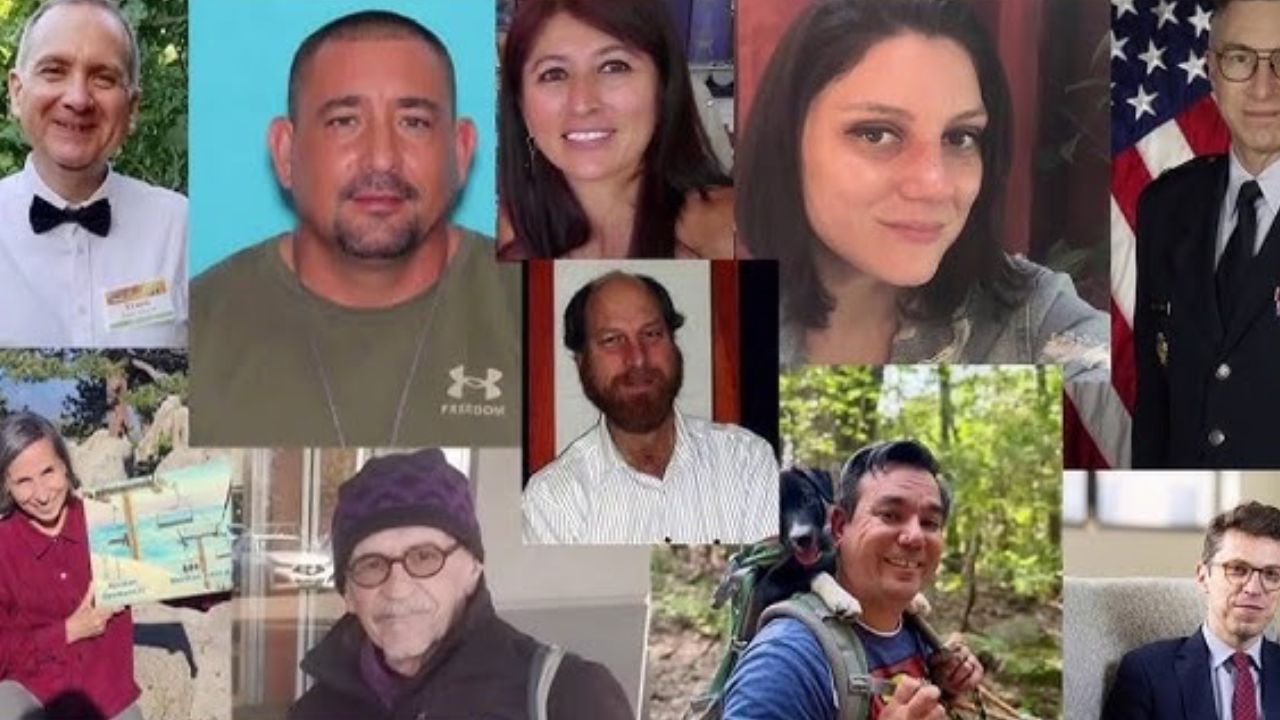
Pattern of Mysterious Deaths Among Scientists at Top Research Institutions Draws Federal Attention
You have probably seen the headlines lately about scientists connected to major government labs turning up dead or simply vanishing. These cases involve people working on nuclear programs, aerospace projects, and other high-stakes research at places like NASA’s Jet Propulsion Laboratory and Los Alamos National Laboratory. Federal authorities, including the FBI, have now stepped in to examine whether any links exist among roughly a dozen incidents since around 2022. While officials emphasize that no solid evidence points to a coordinated plot, the pattern has raised enough questions to draw White House and congressional interest.
The clustering of these events among experts with security clearances and access to sensitive information has prompted a broader review. Law enforcement agencies are coordinating with the Department of Energy, NASA, and the Pentagon. Public speculation runs high online, but investigators continue to treat each case on its own merits while checking for any overlooked connections.
How the Cases First Surfaced
People started noticing when reports emerged about researchers from Southern California institutions and New Mexico labs facing sudden ends or unexplained absences. One early example involved a longtime NASA JPL scientist who died in 2023 after decades on asteroid and comet projects. Similar stories followed involving other personnel from the same facilities.
Local authorities initially handled most of these matters separately. Over time, the sheer number of people tied to overlapping fields of work made some observers pause. Congressional committees began asking questions, which eventually pulled in federal resources to look more systematically at the details.
Details on the Scientists Involved
Many of those affected held roles in nuclear research or space technology programs critical to national security. Some worked directly at flagship labs employing thousands, while others had retired but maintained ties to ongoing projects. Their backgrounds often included advanced degrees and clearances that gave them insight into classified areas.
You can picture the typical profile: experienced engineers and physicists who spent careers advancing propulsion systems, materials science, or astrophysics observations. A few cases involved administrative staff with similar access at the same sites. The variety in age and exact job titles adds to the puzzle rather than simplifying it.
Circumstances Surrounding the Incidents
Circumstances differ across the reports. Some scientists died from apparent medical events or accidents, while others disappeared during everyday activities like hiking or evening walks near mountain foothills. A couple involved shootings outside homes or bodies found in water.
Investigators note missing personal devices or wiped data in certain instances, though they stop short of calling everything suspicious. Families and colleagues have described confusion over the lack of clear explanations in some autopsies or searches. These elements keep the conversation going even as official updates remain measured.
Federal Response and Investigations
The FBI has taken the lead in checking for possible connections, working alongside other agencies. They coordinate with state police and lab security teams to pool information that might otherwise stay siloed. House oversight members have sent formal requests for briefings from multiple departments.
You see this level of attention when potential national security angles appear. Officials stress caution against jumping to conclusions, yet they acknowledge the need to rule out foreign interference or internal issues. Progress reports so far highlight thorough case reviews without dramatic breakthroughs.
Why These Labs Matter in the Bigger Picture
Facilities like JPL and Los Alamos handle work that shapes everything from satellite technology to weapons systems. Losing experienced personnel there affects ongoing projects and institutional knowledge. The concentration of cases in these environments explains part of the heightened scrutiny.
Broader competition in global science and defense adds context. Similar clusters of untimely deaths among researchers have appeared in other countries too. This international angle encourages U.S. authorities to examine motives that go beyond random chance or personal troubles.
What Experts and Observers Are Saying
Physicists and former law enforcement figures have commented on the statistical oddity of so many specialists from narrow fields facing issues in a short window. They recommend careful data analysis over speculation. Some point to routine risks in high-pressure careers, while others call for deeper probes into external threats.
Public discussion mixes genuine concern with theories that range widely. Media coverage stays focused on verified facts, reminding readers that correlation does not equal causation. Ongoing reviews aim to bring clarity without fueling unnecessary alarm.
Implications for Research Communities
You work in these fields and suddenly wonder about personal safety protocols at secure sites. Institutions may review mental health support, travel policies, and data protection in response. Retaining talent could become harder if uncertainty lingers around these events.
Longer term, clearer answers would help restore confidence. Scientists dedicate years to advancing knowledge under demanding conditions. Understanding what happened here matters for both their legacies and the continuity of important programs.
Staying Informed Moving Forward
Updates will likely come through official channels as the multi-agency effort progresses. Pay attention to statements from the FBI or congressional committees rather than unverified social media claims. Each new detail helps separate facts from assumptions in this developing story.
The situation underscores how much society relies on these experts and the systems protecting them. As reviews continue, the goal remains determining whether a real pattern exists or if these remain separate tragedies.

Asher was raised in the woods and on the water, and it shows. He’s logged more hours behind a rifle and under a heavy pack than most men twice his age.