Mass Die-Off of Imported Sloths in Florida Warehouse Spurs Investigation Into Exotic Animal Transport
You read about these slow-moving creatures from the rainforests of South America, and suddenly the story hits close to home in central Florida. A planned tourist spot called Sloth World on International Drive drew attention not for its opening but for the loss of 31 animals before any visitors arrived. State wildlife officials documented the deaths through inspections, raising broader questions about how exotic species move across borders and end up in holding facilities here.
The details paint a picture of shipments arriving from Guyana and Peru, with animals placed in a converted warehouse that lacked basic readiness. Temperatures dropped, power issues hit, and the sloths—sensitive to cold and stress—did not make it. This case sits at the intersection of wildlife import rules, commercial attractions, and oversight gaps that affect more than one facility.
What Happened in the Warehouse
The first group of 21 sloths reached Florida in December 2024 from Guyana. Workers found the warehouse without electricity or running water when the shipment arrived. It was too late to turn the animals back, so they stayed in a space equipped only with temporary heaters run through extension cords from another building.
Those heaters tripped breakers during the night, leaving the building cold when lows hit around 46 degrees. No one monitored overnight. All 21 eventually died, with the operator describing it as cold stun. Months later, 10 more arrived from Peru. Two were already dead, and the rest looked weak. They too perished soon after.
Conditions Inside the Holding Facility
Cages measured roughly five by ten feet, built with chain-link and raised on wood. Shade cloth offered some privacy, bamboo provided climbing spots, and buckets served as nesting areas. Food included kale hung from ceilings, squash, and special biscuits, with misting for water.
Later upgrades added heaters, air units, humidifiers, and phone-linked sensors. Yet during the critical arrival periods, those systems were not in place. An August 2025 inspection found some cages still not fully compliant, leading only to a verbal warning rather than stronger action.
The Attraction’s Plans and Current Status
Sloth World aimed to create a large indoor habitat where people could see sloths in a simulated tropical setting. The site remains under construction, with no public opening date set. Operators have described it as a conservation-focused experience, though the early losses have shifted conversations toward welfare standards.
Some former partners have stepped away. Local and federal voices, including a member of Congress, have called for closer review of how such projects handle live imports before they open to families expecting healthy animals.
Challenges of Transporting Sloths
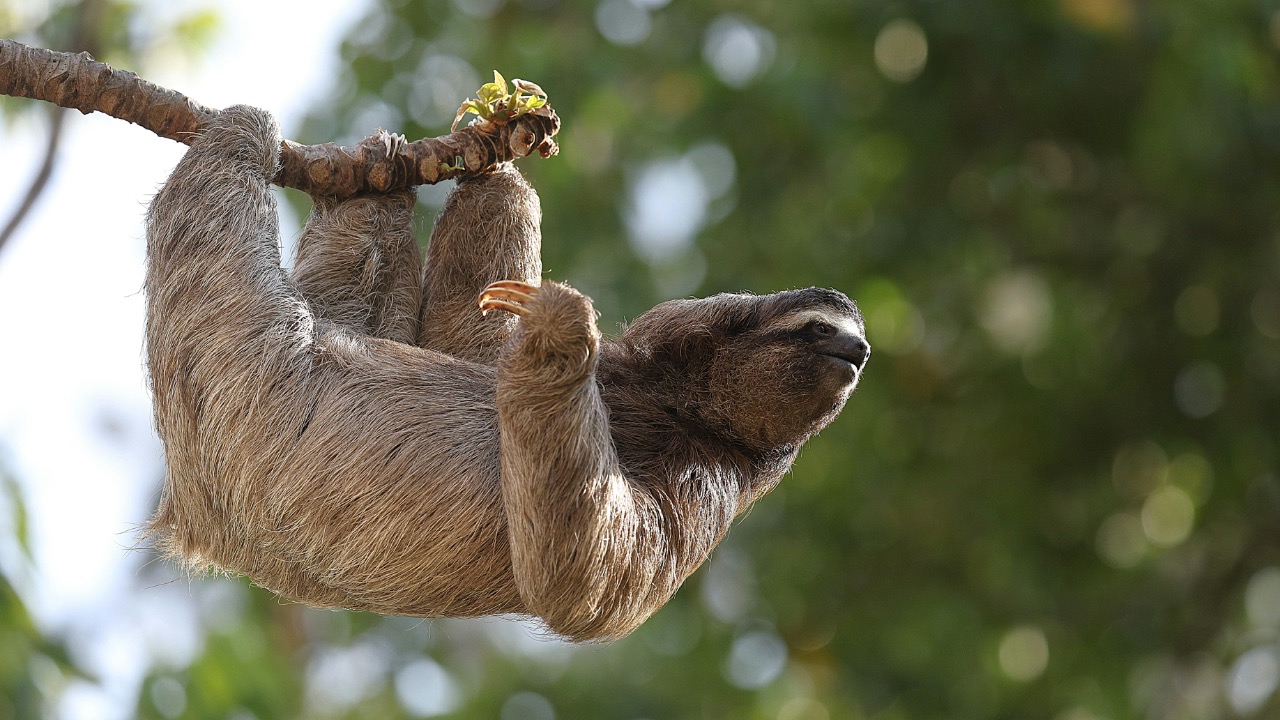
Sloths live solitary lives high in trees with steady warmth and specific diets. Long flights, crate time, and new environments create heavy stress that weakens immune systems fast. Cold snaps in Florida, even mild ones, hit them harder than many other mammals because they cannot regulate body temperature well.
Shippers must navigate federal permits, airline rules, and state arrival checks. Delays at any point compound problems. In this instance, the distance from Miami International Airport to the Orlando warehouse added another layer once the animals cleared customs.
Regulatory Response So Far
Florida Fish and Wildlife Conservation Commission inspectors visited the site months after the deaths as part of a routine check. They gathered accounts from those involved but issued no major citations tied directly to the losses. No evidence of intentional neglect appeared in the report.
Orange County later placed a stop-work order on the warehouse for lacking proper permits to hold animals. Some surviving sloths have since moved to a zoo. Broader calls continue for tighter rules on exotic imports headed to commercial venues.
What This Means for Future Imports
Cases like this highlight how quickly things can go wrong when preparation lags behind arrival. Operators planning similar exhibits now face more public scrutiny and questions about backup systems, staffing, and contingency plans for weather or mechanical failures.
Wildlife groups and officials emphasize that sloths, like many tropical species, need consistent conditions from the moment they leave their native range. Stronger coordination between importers, carriers, and state agencies could reduce repeat incidents across the growing exotic animal sector.

Asher was raised in the woods and on the water, and it shows. He’s logged more hours behind a rifle and under a heavy pack than most men twice his age.