Pete Hegseth sparks controversy at West Point with speech declaring ‘diversity is not our strength’
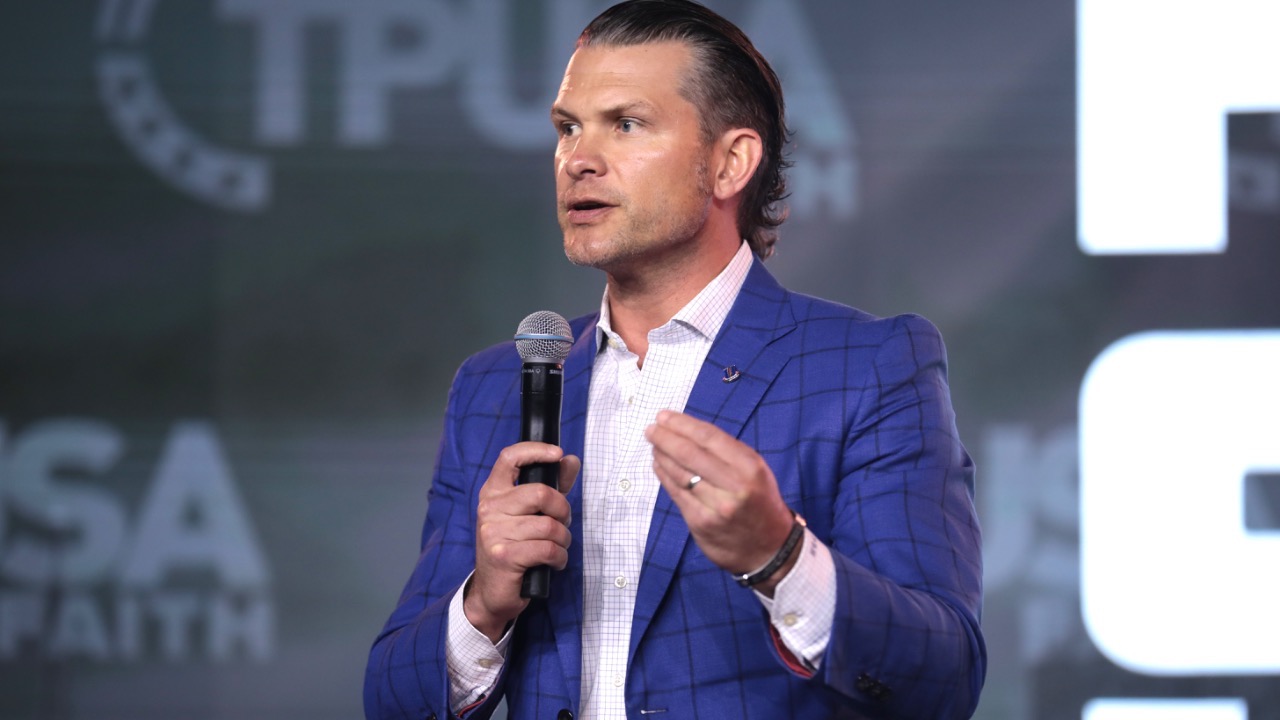
When you stand before nearly a thousand new second lieutenants at one of the nation’s most storied military academies, every word carries weight. On May 23, 2026, Secretary of Defense Pete Hegseth delivered the commencement speech to the West Point Class of 2026 under gray skies at Michie Stadium. He used the platform to challenge recent approaches to military readiness, arguing that unity, not diversity, forms the core of effective forces. The remarks quickly spread beyond the Hudson River Valley, drawing both support from those favoring a return to stricter merit standards and sharp criticism from others who saw them as divisive.
Hegseth, a former Army National Guard officer with deployments to Iraq and Afghanistan, has long voiced concerns about what he calls political distractions in the ranks. His speech reflected those views directly, positioning the military as a place where performance in combat overrides other considerations. The address fit into ongoing debates about how the armed forces should prepare for future threats while maintaining cohesion.
The core message in the speech
Hegseth told the graduates that phrases like “our diversity is our strength” represented flawed thinking in military contexts. He emphasized that unity around shared mission and standards mattered more in formations where lives depend on trust and execution. Cadets heard calls to focus on merit, leadership ability, and battlefield results rather than identity-based initiatives.
He also warned against allowing certain ideologies to influence training or promotions. According to reports of the event, Hegseth stressed that success at West Point and in the Army comes down to how individuals perform under pressure. The speech avoided abstract theory and instead tied directly to the practical demands facing new officers heading into an uncertain global environment.
Reactions from military communities
Many veterans and active-duty personnel reacted strongly to the remarks. Some praised the directness, seeing it as a necessary correction after years of what they viewed as experimental policies. Others, including retired generals, pushed back, arguing that diverse backgrounds have historically contributed to military adaptability and problem-solving in complex operations.
Public discussion spilled onto social media and news outlets within hours. Critics described the speech as injecting partisan tones into a traditionally nonpartisan setting. Supporters countered that addressing readiness openly serves the institution better than silence on perceived weaknesses. The divide highlighted deeper tensions about the military’s role in reflecting or rising above broader societal shifts.
Background on Hegseth’s perspective
Hegseth arrived at this moment after years of writing and commenting on military culture. His service record includes time in the National Guard and advocacy for what he terms a warrior ethos focused on combat effectiveness. As secretary, he has prioritized changes aimed at reducing what he considers distractions from core fighting capabilities.
Those familiar with his record note consistent themes across his books and public statements. He has questioned certain expansions in personnel policies, favoring selections based strictly on individual qualifications. This speech aligned with that pattern, framing the academy as a place set apart from political trends.
Implications for new officers
Graduates now enter an Army where recruiting goals have been met ahead of schedule, according to Hegseth’s own comments during the event. They face expectations to lead without what the secretary called unnecessary social elements in training or operations. The message encouraged them to build teams around shared purpose and proven competence.
At the same time, these lieutenants will navigate real-world units that already include people from varied backgrounds. How they balance the emphasis on unity with practical leadership will shape their early careers. The speech left them with clear guidance on priorities, even as it stirred wider conversation about implementation.
Broader context of military policy shifts
This address comes during a period of review for Department of Defense practices. Efforts to adjust recruitment, promotion standards, and training focus have gained attention under the current administration. Hegseth positioned the changes as essential for maintaining edge against potential adversaries.
Observers note that West Point has long emphasized character and performance alongside academics. The controversy centers on how those traditions intersect with modern force composition. Debates continue about whether recent policies strengthened or diluted readiness, with data on recruiting and retention offering partial context but no final resolution.

Asher was raised in the woods and on the water, and it shows. He’s logged more hours behind a rifle and under a heavy pack than most men twice his age.