Pistols That Shoot Hot but Don’t Last Long
Some pistols light up the range for the first few months—fast, accurate, sharp looking—and then the round count climbs and the shine wears off. Slides loosen. Springs fatigue. Small parts break at the worst time. These are the guns that impress early with good triggers or snappy recoil, but once heat builds and the round count gets high, you start seeing failures you wouldn’t trust your life or a match to. Range day smiles slowly turn into “where’d that part go?” head scratches. They run great when new, but longevity often isn’t their strong suit.
Taurus PT111 G2
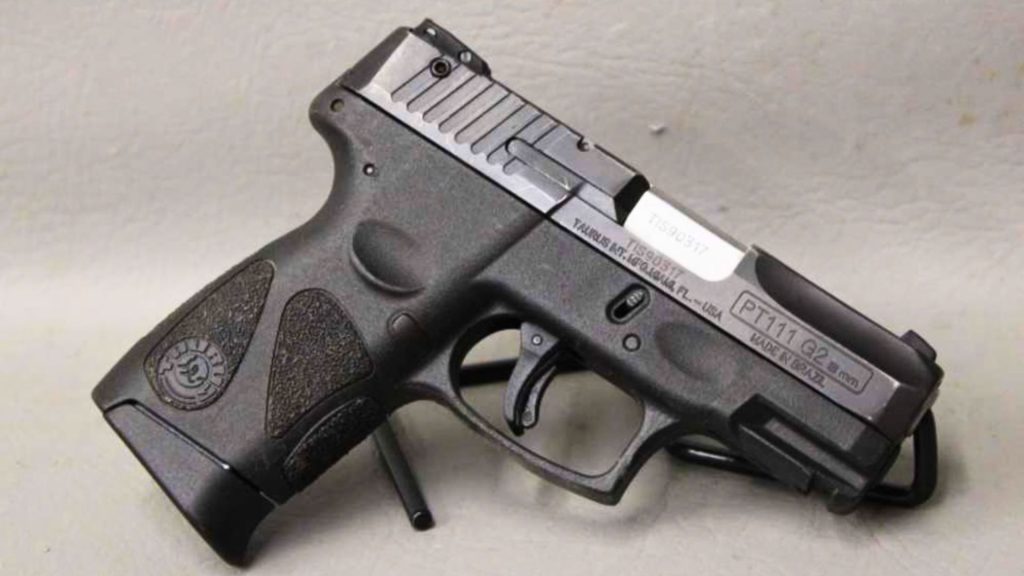
The PT111 G2 feels good in the hand, and many shooters appreciate its price and how lively it shoots when new. Accuracy is respectable at first, and the trigger—while different—becomes predictable after a little time. But as the round count climbs and sessions get hotter, the pistol often begins showing accelerated wear in areas like the trigger mechanism and slide rails.
Frequent cleaning helps, but some shooters notice failures-to-feed and light primer strikes once the gun has seen steady use. It’s a range-friendly carry starter, though expecting long-term durability out of it can be optimistic if you shoot often.
KelTec PF-9
The PF-9 is snappy, slim, and easy to carry inside the waistband. It’s a lightweight nine that appeals to folks who want something minimal for daily use. New shooters often like it because recoil feels brisk and fast strings are satisfying. But after extended practice sessions, magazines and small parts tend to take a beating, especially when the pistol heats up.
The harsh recoil impulse transfers stress throughout the frame over time. Many owners report cracks in polymer rails or feeding problems past a certain round count. It’s a pistol made to carry a lot and shoot a little—not the other way around.
SCCY CPX-2
The SCCY line sits in the “affordable and workable” category. Out of the box it cycles most ammunition fine, and the double-action trigger keeps things intentional. When new, it feels reliable enough for range practice and light carry. The challenge appears over time when heat and volume shooting start exposing tolerances.
Extended firing sessions often lead to peening around the barrel hood or wear on the trigger internals. Recoil spring fatigue isn’t uncommon either. It’s a gun that can function well with modest shooting habits, but if you’re a thousand-round-a-month shooter, you’ll notice its limitations fairly fast.
Kimber Micro .380
Kimber builds pistols with good fit and finish, and the Micro series looks sharp and shoots comfortably when clean. Early performance is usually tight and smooth, and the light recoil makes range time pleasant. But small .380s tend to have less material to handle heat and movement, and the Micro is no exception.
Shoot it hot, and break-in becomes ongoing instead of temporary. Extractors and feed ramps sometimes struggle with varied ammunition after heavy use. Cosmetically the gun holds up, but wear on locking lugs and springs can show sooner than expected. It’s fine for carry rotation, though not the kind of pistol many call a marathon runner.
Springfield 911 .380
The Springfield 911 handles well and offers nice controls in a micro package. Shooters enjoy the single-action trigger and crisp break, and it’s easy to conceal. But when sessions get long and round counts stack up, the frame and parts begin showing wear quicker than mid-sized pistols built for heavier use.
Heat brings out sensitivity in magazine springs, and failures-to-return-to-battery can appear with dirty or dry chambers. It’s capable and comfortable—just better suited for moderate practice rather than outing after outing trying to burn through case after case.
Kahr CW9
Out of the box, the CW9 is smooth, comfortable, and known for its manageable recoil. It’s an easy gun to carry daily without feeling weighed down. Accuracy remains solid in normal range use. Over time, though, many shooters notice the gun needs regular spring replacements to avoid cycling issues once hot.
Feed ramps may demand polishing to keep reliability high after thousands of rounds, and heat accelerates the need for maintenance. Treat it like a pistol for carry and occasional training sessions, not a constant high-volume blaster, and it will have fewer long-term complaints.
Hi-Point C9
Hi-Point pistols actually run surprisingly well for the price early on, and their heavy slides keep recoil level. They feed most ball ammo and don’t mind being dirty. But cast parts, soft metal, and design limitations eventually show themselves when round counts increase and heat builds.
Extended firing brings accelerated wear on firing pins and slide components. It may truck along for a while, but it isn’t built for sustained training cycles or weekend-long classes. It’s a pistol that fills a role—budget and functional—but longevity under heat isn’t its selling point.
Rock Island M206 .38 Revolver
The M206 wins points for affordability and old-school charm. It works well enough for casual practice, and many appreciate having a reliable wheelgun at a friendly price. But when run hard with +P defensive loads or long sessions of rapid firing, timing and lock-up can start drifting sooner than you’d hope.
Heat exposes the lighter metallurgy, and small parts can loosen or require tuning. If you keep round counts low and maintain it, it remains useful. Push it into high-volume territory, and it struggles to hold tolerances like premium revolvers.
Walther CCP (Original Model)
The CCP shoots soft because of its gas-delayed design, making recoil feel unusually mild for a compact 9mm. It points naturally and feels comfortable for extended slow-fire practice. But once you introduce sustained heat, carbon fouling, and high round counts, reliability starts slipping.
The disassembly system can be finicky, and internal heat buildup leads to more failures-to-cycle compared to striker-fired pistols. The updated M2 improved some flaws, but original CCP models are known to run hot and wear quicker than many expect.
CZ P-07 (Early Production)
The P-07 today has earned a strong reputation, but early models weren’t as durable under hard use. Slide stop and extractor wear showed faster than expected when shooters ran them hot through classes. They shot accurately and felt great when new, which is what fooled many into thinking they’d stay that way forever.
Later improvements solved much of it, but older pistols still surface in range talk as guns that need closer eye on parts once round counts climb. If you run one, replacing springs and keeping track of wear goes a long way.
SIG Sauer Mosquito
The Mosquito is a fun plinker—when clean and fed the right ammunition. It’s comfortable, familiar in hand, and shoots pleasantly for casual sessions. But heat and volume expose its sensitivity fast. Light strikes, failures-to-feed, and magazine issues become more common past a certain firing pace.
Owners who treat it like a range toy enjoy it more, cycling only high-quality .22 ammo. Push it into extended sessions without careful attention, and it fades quickly compared to more durable rimfire handguns.
Beretta Pico
The Pico is one of the smallest .380s out there, easy to pocket and surprisingly soft shooting for its size. But that compact build doesn’t handle long, hot sessions as gracefully as larger pistols. Extended shooting can reveal sluggish cycling, and springs tire sooner under heat.
For carry it’s light and practical. For high-round-count training, it falls behind. Spend a few hundred rounds through it in a day and you’ll likely sense the limits—something bigger pistols handle with ease.

Leo’s been tracking game and tuning gear since he could stand upright. He’s sharp, driven, and knows how to keep things running when conditions turn.