Why living on raw land in an RV often brings legal and financial surprises
Parking an RV on a raw piece of ground and calling it home looks like the ultimate freedom play: no mortgage, no landlord, no shared walls. In reality, the people who try it often run headfirst into zoning codes, utility costs, and small print they never knew existed. The dream of cheap, off‑grid living can turn into a slow grind of permits, surprise bills, and neighbor complaints.
I have spent enough time around land buyers, full‑timers, and rural county offices to know that the gap between the fantasy and the rulebook is wide. Living on raw land in an RV can work, but it is rarely as simple or as cheap as pulling through a gate and dropping the stabilizers. The surprises are legal, financial, and social, and they usually arrive sooner than people expect.
Freedom meets the zoning map
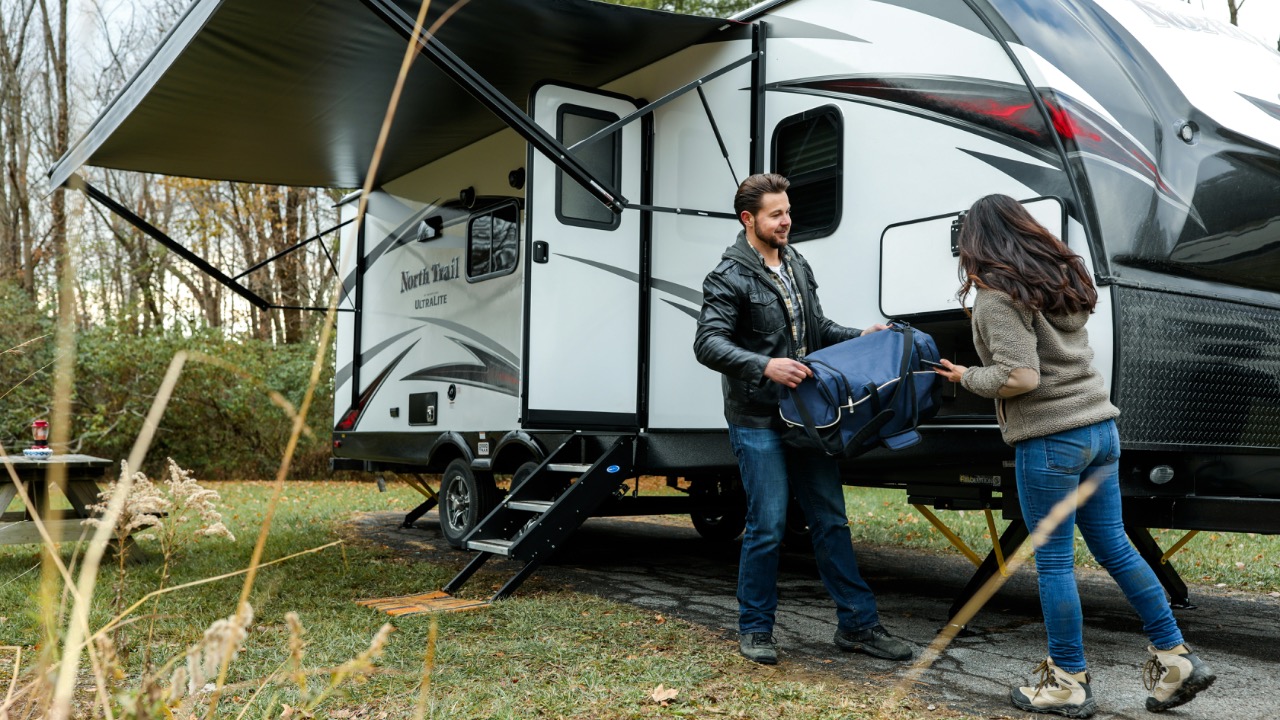
The first shock for a lot of new landowners is that owning dirt does not automatically mean you can live on it in an RV. Counties and towns treat a travel trailer very differently from a house, and many codes only allow an RV as a temporary dwelling, if at all. Some areas do allow long‑term RV living, but only in specific zones or with a primary house on the parcel, which means the same patch of woods that feels like a perfect homestead can be off‑limits once you read the ordinance.
Even in places that market themselves as friendly to rural lifestyles, the details matter. One guide aimed at people trying to live in an RV on their own land notes that the short answer to whether it is legal is “yes” only if you are in the right place and follow local rules, and it points out that some owners end up moving farther out into the country to find counties that are more flexible about full‑time rigs on private land, advice shared by Share. I see that pattern over and over: people buy what they can afford, then discover the zoning map has more to say about their daily life than the deed does.
Why some states call full‑time RV life “illegal”
The second surprise is how blunt some laws are about using an RV as a primary home. Federal housing rules treat a traditional house and a recreational vehicle as two different animals, and state and local governments often follow that lead. In practice, that means you can own an RV, camp in it, and travel with it, but the minute you try to use it as a permanent dwelling on bare land, you may be out of bounds even if you are not bothering anyone.
New York is a good example of how this plays out. Land specialists there point out that the U.S. Department of Housing and Urban Development does not classify an RV as a permanent residence, and they explain that this is a big reason why living full time in a rig is technically illegal in most parts of the state, a tension summed up in phrases like Unfortunately and “Why Living Full, Time, Technically Illega.” Other states go further and spell out that it is Illegal To Live, even as the same commentary notes that people still chase the “Remember, American Dream” of a small, paid‑off place of their own.
County rules change, and they change on you
Even if you find a county that seems friendly to RVs and tiny structures, the rules are not carved in stone. Local boards rewrite zoning codes, neighbors complain, and what was tolerated for years can suddenly be targeted. I have watched people build their lives around a set of regulations, only to see a new commissioner or planning director decide that RVs and tiny houses are now a problem to be solved.
One long‑time RVer described how counties have changed the rules on small dwellings and forced owners to move them off their land or tear them down, even after those owners had invested time and money into making them livable, a pattern summed up in a discussion that starts with “Not sure if there is” a master list of friendly states and notes that Even a family trying to give their son a wonderful senior year had to navigate shifting rules. That is the kind of mid‑stream change that can turn a workable RV setup into a legal headache overnight.
Backyard rigs and the neighbor factor
Plenty of people try to sidestep raw‑land hassles by tucking an RV behind an existing house, either on their own lot or a relative’s. On paper it sounds easier: the address already has utilities, the driveway is cut, and the zoning is residential. In reality, backyard living in a trailer triggers its own set of codes, from limits on accessory dwellings to health department rules about sewage and water.
Guidance aimed at backyard RV owners stresses that you have to check local ordinances, make sure you have legal hookups, and keep the peace with neighbors and any homeowners association, advice that shows up in warnings about Living in a rig behind a house and reminders that “Lots of” RVs are nice enough that people want to stay in them full time. I have seen more than one backyard setup shut down not by the county at first, but by a neighbor who got tired of extra vehicles, lights, or noise and picked up the phone.
Raw land is not cheap once you add utilities
The financial surprise hits hardest when people start pricing what it takes to make raw land livable. Buying a used fifth‑wheel and a cheap acreage can look like a bargain compared with a starter home, but the math changes once you add a well, septic system, power, and a driveway that will not swallow a truck in spring. Those are not optional if you want to live there year‑round without running afoul of health codes.
One landowner who closed on 40 acres in Nov 2022 laid out how long it can take to bring in utilities, hoping to have the rest of the hookups in by summer 2026 and warning others not to forget septic costs that can run from a few thousand dollars up to 50k depending on how deep you have to go, a point that stuck with Don and others in that discussion. When you add that kind of infrastructure bill to the land price, the “cheap” RV lifestyle starts to look a lot more like a slow‑motion construction project.
Ongoing costs: utilities, maintenance, and taxes
Even once the rig is parked and the lines are buried, the monthly costs are not as low as many people expect. You still have to pay for power, water, internet, and the wear and tear that comes from living in a rolling house that was never really designed for decades of stationary use. On top of that, the land itself can carry property taxes, and some states treat RVs as taxable personal property as well.
Cost breakdowns that compare RV life with a traditional house point out that Utility Expenses for the RV include Propane, Power, Inter net and other services, while a house has its own mix of infrequent but large bills and possibly a personal property tax. Another analysis of whether it is cheaper to live in a rig or a house notes that Utilities, Maintenance, Property initial purchase all add up, and that RV living presents a different, not necessarily smaller, set of ongoing repairs and expenses. I have watched full‑timers burn through tires, roofs, and appliances faster than they ever did in a stick‑built house.
Health codes, hookups, and the “illegal” label
When people hear that living in an RV is “illegal,” they often picture some moral judgment, but most of the time it comes down to health and safety rules. Counties want sewage handled properly, water that will not make people sick, and structures that will not blow apart in a storm. An RV parked on raw land without a permitted septic system or safe water source is an easy target for enforcement, even if the owner is trying to be careful.
Legal explainers on RV life point out that the answer to why living in a rig is considered unlawful in some places varies by where you park and how long you stay, but they all circle back to building codes, sanitation, and land‑use rules, a mix summed up in the way some guides frame Why RV Living can be treated as Illegal. In my experience, the people who stay out of trouble are the ones who treat their RV site like a small house build, with permitted hookups and a paper trail, instead of a long‑term campsite.
The myth of “RV life is always cheaper”
Another rude awakening comes when the budget does not match the Instagram version of RV life. A lot of would‑be homesteaders assume that if they can avoid a mortgage, everything else will fall into place. Then the repair bills, fuel, registration, and campground or permit fees start stacking up, and they realize they have traded one set of fixed costs for another that is more unpredictable.
One personal finance discussion tackled the question of why more people do not live in trailers if it is so cheap, and the top response started with “There are a lot of questions here so I will answer this one at a time,” before pointing out that a lot of people already do it, probably more than you think, especially in places like Texas. The same thread highlighted how repairs, depreciation, and the need for reliable vehicles can eat into any savings, especially if you are moving the rig often instead of parking it on one piece of land.
How to stack the odds in your favor
For people who still want to live on raw land in an RV, the key is to treat it like a long‑term project instead of a weekend hack. That starts with reading the zoning code, talking to the planning office, and getting clear answers about whether an RV can be a primary dwelling, a temporary structure during a build, or only a short‑term camping unit. It also means budgeting for real infrastructure, not just a generator and a blue tote, so you are not forced into gray‑area solutions that invite complaints.
Some RV dealers and land specialists advise buyers to look for counties that explicitly allow long‑term rigs on private land, to consider starting with a permitted septic and power pole, and to be ready to move farther out if the first choice county is too strict, the kind of practical advice that shows up in guides written by people like Can and others who have watched these battles play out. From what I have seen, the folks who make this lifestyle work long term are the ones who respect the rulebook, plan for the hidden costs, and accept that “freedom” on raw land still comes with paperwork and a monthly bill stack.

Asher was raised in the woods and on the water, and it shows. He’s logged more hours behind a rifle and under a heavy pack than most men twice his age.