Proposed Public Lands Legislation Could Shift Thousands of Acres to Private Hands
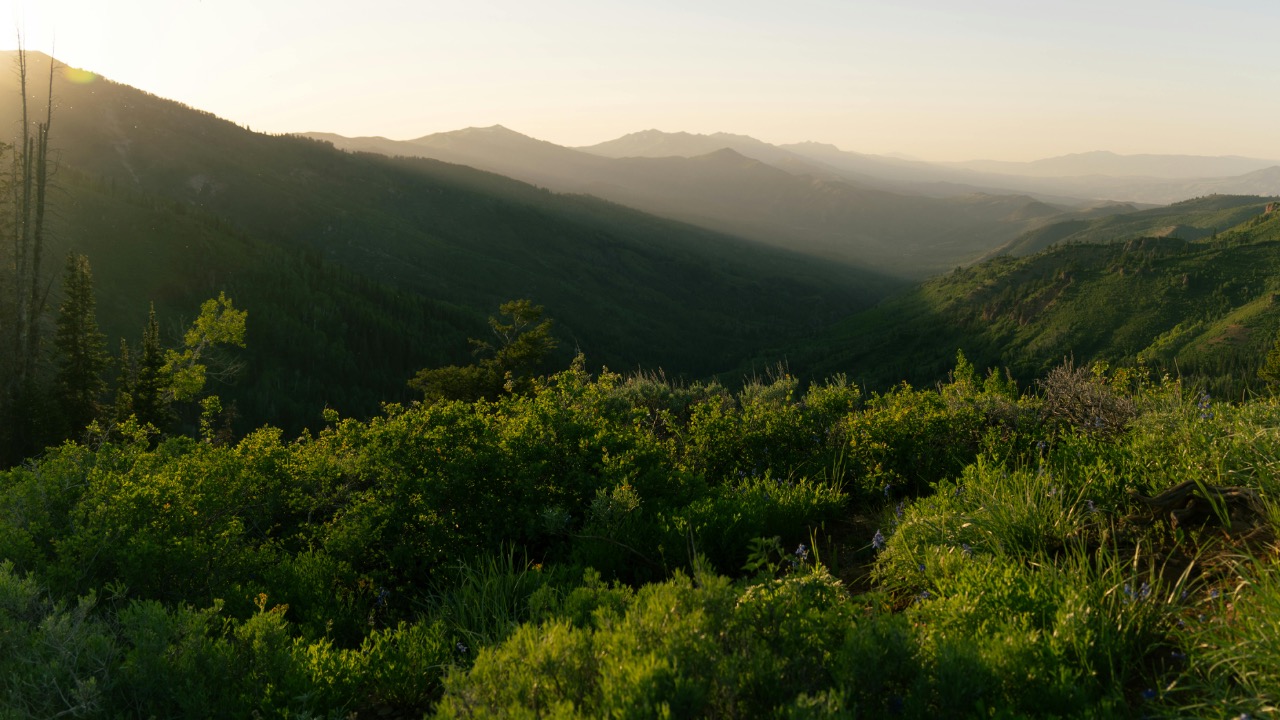
If you have ever driven through the wide valleys or hiked the sagebrush hills of the American West, you understand how those federal lands shape daily life out there. A proposal that surfaced in the Senate in mid-2025 put millions of those acres on the table for potential sale or transfer to private owners. Sponsored by Utah Senator Mike Lee and folded into a larger budget reconciliation package, the measure directed the Bureau of Land Management and the U.S. Forest Service to dispose of between two and three million acres across eleven western states within five years. It also flagged more than 250 million acres as eligible. The idea was framed as a way to tackle housing shortages and trim federal spending, yet it quickly became one of the most debated land-policy moves in recent memory. Even though the full-scale version was later pulled amid pushback, the conversation it sparked continues to matter for anyone who uses or cares about these places.
The Roots of the Proposal

Senator Mike Lee introduced the provision through the Energy and Natural Resources Committee in June 2025. It sat inside a sweeping bill aimed at funding tax changes and other priorities. Lawmakers pointed to the huge federal footprint in states like Nevada and Utah, where the government manages most of the land. They argued that shifting some of it could free up space for new homes and reduce the cost of maintaining remote tracts.
The language required the interior and agriculture secretaries to sell or transfer 0.5 to 0.75 percent of the agencies’ holdings in those eleven states. That added up fast when you consider the BLM oversees roughly 245 million acres and the Forest Service another 193 million. Supporters saw it as a practical step to match land use with growing populations. Critics viewed it as a throwback to older efforts to shrink federal ownership. Either way, the proposal forced everyone to examine how much of the West still belongs to all of us.
What the Bill Actually Required
The text instructed agency heads to pick specific parcels and offer them for sale. Buyers could include states, local governments, or private parties, with proceeds meant to help offset other federal costs. No single map listed every acre, but the bill opened the door for nominations from interested parties.
It applied mainly to lands without strong congressional protections, such as wilderness study areas or inventoried roadless zones. Grazing allotments and habitat corridors sat inside the eligible pool too. The five-year timeline put real pressure on the agencies to move quickly. In practice, that meant field offices across the West would have reviewed thousands of acres under tight deadlines. The structure left room for flexibility, yet it also created uncertainty about exactly which trails, campgrounds, or hunting grounds might disappear from public access.
Lands That Could Have Changed Hands
The eleven states covered a huge slice of the interior West, from Alaska’s remote reaches down through Arizona and New Mexico. Colorado alone stood to see sizable portions of its high country affected. Parcels near growing cities like Las Vegas or St. George, Utah, drew special attention because they sat close to housing demand.
Many eligible acres held wildlife value or served as migration routes for elk and mule deer. Others included popular recreation spots that locals and visitors reach by dirt road or foot. Not every acre was pristine backcountry; some already had roads or modest development nearby. Still, the total scale meant the change would have rippled far beyond any one county line. People who fish high desert streams or ride mountain bikes on public trails started mapping out what might vanish from their weekend routines.
Arguments in Favor of the Sales
Backers claimed the move would ease pressure on housing markets in fast-growing western communities. They noted that federal land sits idle in some places while families struggle to find affordable places to live. Selling targeted parcels could bring in revenue without raising taxes elsewhere.
Proponents also argued that local governments know their needs better than distant bureaucrats in Washington. They believed private owners might manage certain lands more efficiently for economic uses. In their view, the proposal simply updated an old idea that public lands should sometimes serve private enterprise when the public benefit is clear. The debate reminded many that land policy has always balanced competing interests rather than pleasing everyone at once.
Voices Raising the Alarm
Conservation organizations, hunters, and anglers lined up against the plan almost immediately. Groups like the Wilderness Society ran the numbers and highlighted how more than 250 million acres could qualify. They worried that once land left federal hands, public access could shrink or vanish entirely.
Outdoor users pointed out that these same acres support big-game hunting, fishing, and quiet hikes that draw millions each year. They feared piecemeal sales would fragment habitats and cut off migration paths. Even some western lawmakers from both parties expressed reservations. The outcry crossed party lines and included ranchers who rely on public grazing leases. Suddenly, people who rarely agree found common ground in wanting to keep the land open for everyone.
Effects on Wildlife and Recreation
Wildlife corridors and winter range would have faced the biggest risk. Elk and pronghorn move across large distances; breaking up those routes with fences or new development could disrupt seasonal patterns. Birders and photographers who visit remote canyons knew that quiet corners could turn into subdivisions or mining claims.
Recreation took a hit in the conversation too. Campgrounds, trailheads, and fishing holes managed by the agencies draw families and tourists alike. Losing even a fraction of those spots would crowd the ones that remain. Local economies built around guiding, lodging, and gear sales could feel the pinch. The proposal made clear that decisions made in committee rooms can reshape what people experience on the ground hundreds of miles away.
How Tribes and Local Groups Reacted
Tribal nations raised concerns about cultural sites and ancestral lands that sit within the eligible areas. Many tribes use these places for ceremonies, gathering traditional foods, or exercising treaty rights. They argued that sales without consultation would ignore long-standing connections to the landscape.
County officials and community leaders weighed in as well. Some supported targeted transfers for housing; others feared losing tax revenue or public access that supports tourism. Environmental justice advocates noted that lower-income residents and communities of color often depend most on free public lands for recreation. The discussion showed how land questions touch identity, economy, and history all at once.
Where Things Stand Now
The original broad language was stripped from the final budget package after the Senate parliamentarian ruled parts of it out and bipartisan opposition grew. Smaller, site-specific transfers continue to surface in Congress, including recent bills moving a few hundred acres in Utah to local control.
The episode left a clear mark on the conversation. Advocates on all sides now watch future budget talks more closely. Agencies still manage the same vast holdings, but the debate exposed how quickly policy can shift the balance between public and private. If you spend time on these lands, the story matters because it shows how decisions made far away can quietly reshape the places you know best.

Asher was raised in the woods and on the water, and it shows. He’s logged more hours behind a rifle and under a heavy pack than most men twice his age.