Proposed Reductions in Agriculture Department Budget Draw Concern From Rural America
Proposals to reduce parts of the U.S. Department of Agriculture budget have sparked concern across rural America, especially in farming regions where federal programs are closely tied to economic stability. The discussion is happening as lawmakers look for ways to cut spending, but the potential effects on agriculture-heavy communities are drawing attention fast.
Much of the worry centers on programs like crop insurance, disaster assistance, and conservation funding. These aren’t abstract policies for rural areas — they directly affect whether farms can recover after floods, droughts, or price drops. Even small changes in funding can ripple through local economies where agriculture supports jobs, equipment dealers, trucking, and small-town businesses.
Rural Communities Focus on Farm Stability
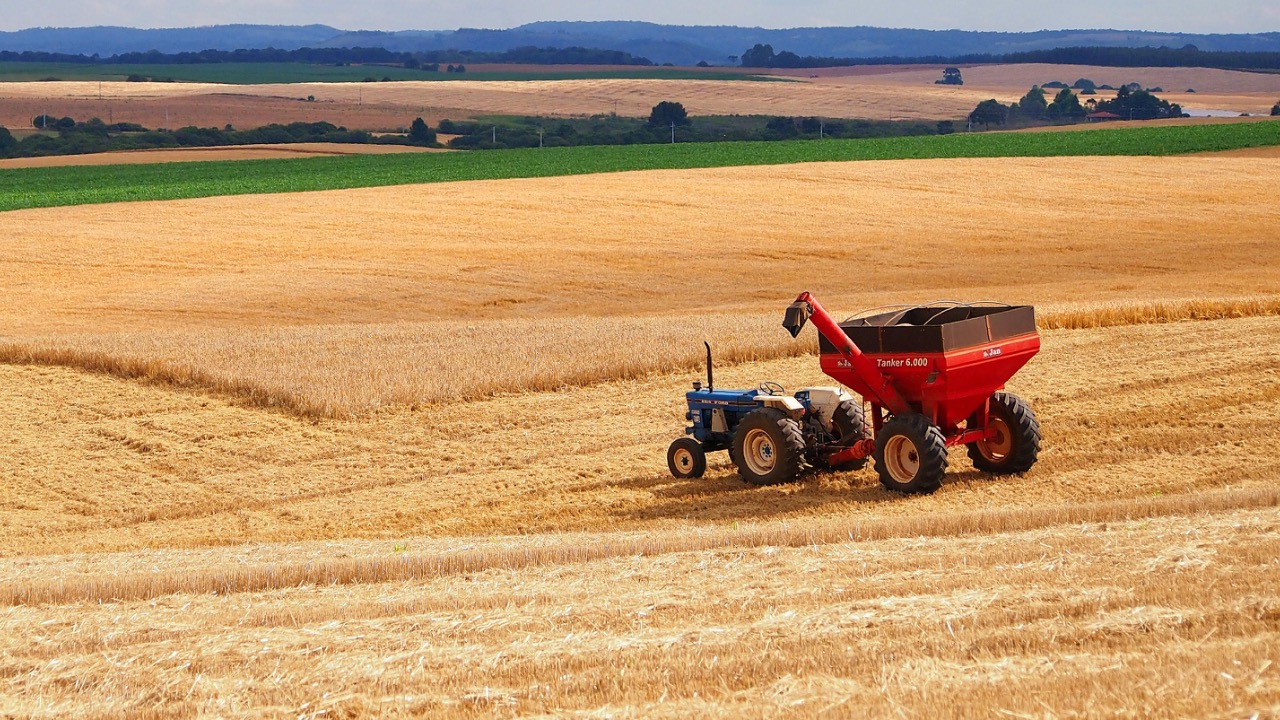
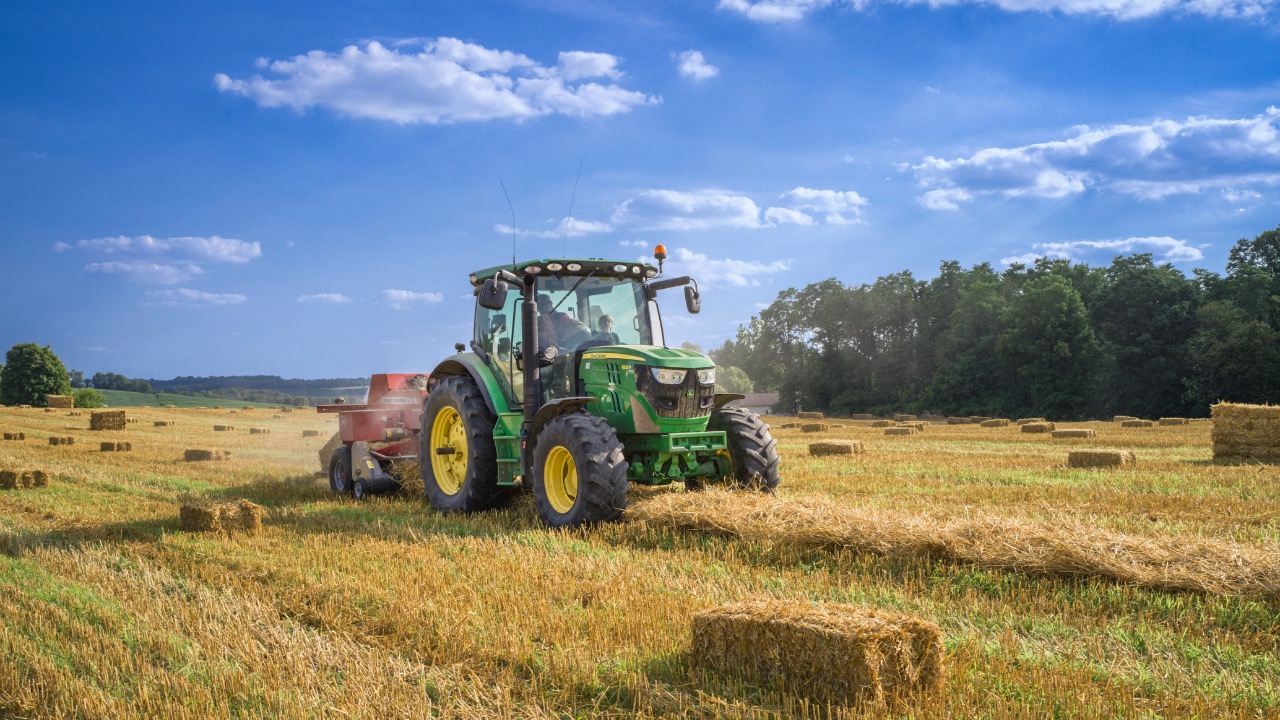
In many rural counties, farming isn’t just an industry, it’s the main economic engine. That’s why proposed reductions in federal agriculture funding are being watched so closely. Farmers are especially concerned about what happens during bad harvest years when margins are already tight.
Some producers argue that without consistent federal support, smaller farms would be forced to take on more financial risk than they can handle. Larger agribusiness operations may be better positioned to absorb shifts in funding, but family-run farms often depend on programs that help stabilize unpredictable seasons.
Debate Over Federal Spending and State Control
Supporters of the proposed reductions argue that agriculture spending has expanded too far and should be scaled back. Their view is that states could manage some programs more efficiently and tailor support to local needs rather than relying heavily on federal systems.
Critics push back on that idea, saying agriculture is too exposed to national and global forces to be left unevenly managed. Weather disasters, supply chain disruptions, and commodity price swings don’t respect state lines, which is why federal coordination has long played a central role in agricultural policy.
Broader Programs Also Under Scrutiny
Beyond direct farm support, some rural development programs linked to the Agriculture Department are also part of the discussion. These include efforts tied to broadband expansion, housing assistance, and small-town infrastructure projects that help keep rural communities connected and functional.
Leaders in rural areas worry that cutting these programs could deepen existing challenges like population decline and limited access to services. For many communities, USDA-related funding isn’t just about farming — it also supports long-term economic survival in places that don’t have large industries beyond agriculture.
Political Divide and Next Steps
The debate over the budget has also highlighted a familiar political divide between rural and urban lawmakers. Representatives from farming states tend to emphasize the importance of maintaining agricultural support, while others focus more on reducing overall federal spending.
At this stage, the proposals are still being debated and have not become law. But the reaction from rural America shows how sensitive agriculture funding is, and how quickly budget discussions can turn into broader concerns about economic stability and fairness across regions.

Leo’s been tracking game and tuning gear since he could stand upright. He’s sharp, driven, and knows how to keep things running when conditions turn.