Putin declares Ukraine conflict ‘nearing its end’ following Trump-brokered ceasefire announcement
As you track the Russia-Ukraine war through its more than four years of grinding stalemate, fresh signs of movement have surfaced this weekend. President Donald Trump announced a three-day ceasefire that took effect on May 9, arranged directly with both Vladimir Putin and Volodymyr Zelenskyy. The pause was meant to allow a major prisoner exchange and coincide with Russia’s Victory Day observances. Putin, speaking to reporters right after the military parade on Red Square, stated that he believes the conflict is heading toward an end. The remark carried weight because it came from the Russian leader himself, even as fighting continued at lower levels and both capitals traded blame for breaches.
Trump Brokers a Short Ceasefire
President Trump made the announcement on social media late on May 8, framing the agreement as a direct result of his outreach to the two leaders. The truce covered May 9 through May 11 and included a full suspension of kinetic activity along with the transfer of one thousand prisoners of war from each side. You notice how quickly the deal came together after weeks of shuttle diplomacy from Washington. Kremlin officials confirmed the terms, and Ukrainian authorities did the same, though Zelenskyy emphasized that Ukraine would match any Russian restraint. The timing aligned with Russia’s annual commemoration of the defeat of Nazi Germany, giving both sides a practical reason to step back for a few days.
Observers saw the move as an opening rather than a final settlement. Trump expressed hope that the pause could lead to something longer, and he urged the parties to build on it. You see the pattern from past attempts at de-escalation: short windows of reduced violence that often collapse under the weight of mutual distrust. Still, this one carried the public endorsement of the American president, which added a layer of external pressure neither side could easily dismiss.
Putin’s Words During the Victory Day Parade
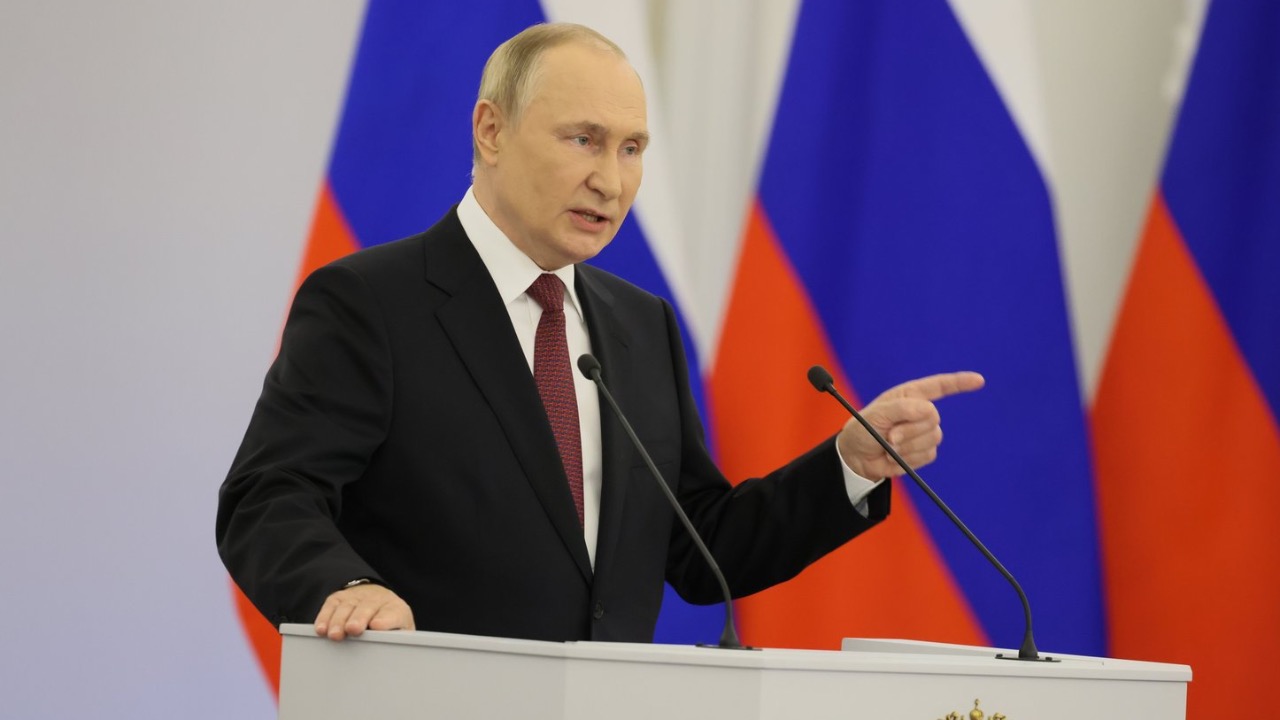
Putin stood before the scaled-back parade in Moscow and told reporters that the Ukrainian conflict was heading to an end. He described the situation as serious but suggested the momentum had shifted. You pick up on the careful phrasing; he avoided any commitment to immediate talks while leaving the door open. The statement followed months of Russian insistence that battlefield gains would dictate the outcome. Western analysts noted the contrast with earlier speeches that focused solely on military objectives.
Security around the event was tight, and heavy weapons were absent from the display for the first time in years. Putin linked the ceasefire to earlier warnings about potential Ukrainian strikes on the capital. His comments arrived on the first full day of the truce, when fighting had eased but not vanished. The message seemed calibrated to project confidence at home while signaling to international audiences that Russia was open to winding things down under the right conditions.
The Planned Exchange of Prisoners
The agreement called for one thousand prisoners from each country to return home during the three-day window. Both governments had prepared lists in advance, and logistics teams on the ground coordinated the handovers. You follow how prisoner swaps have served as confidence-building measures in earlier phases of the war, though none approached this scale. Ukrainian officials described the process as a humanitarian priority, while Russian statements framed it as a reciprocal step.
As of May 10, reports indicated the exchanges were underway in designated border areas. Independent monitors from international organizations observed parts of the operation to verify compliance. The numbers represented a significant portion of known detainees on both sides, offering families on either side a rare moment of relief amid the broader uncertainty. The success of this element could influence whether leaders choose to extend the pause.
Accusations of Violations on Both Sides
By the second day of the ceasefire, Ukrainian President Zelenskyy reported that Russian forces continued assault operations in several sectors. He accused Moscow of failing to honor the full terms and described the actions as cynical. Russian defense officials countered with their own tallies, claiming thousands of Ukrainian violations involving drones, artillery, and ground probes. You see the familiar cycle: each side documents the other’s actions to shape the narrative.
Satellite data and open-source reports showed a clear drop in overall activity compared with the weeks before, yet isolated strikes persisted. Neither capital claimed the truce had collapsed entirely. Instead, spokespeople used the incidents to pressure the other side while keeping the broader framework intact. The mutual finger-pointing highlighted how fragile these arrangements remain even when both leaders have publicly agreed to them.
Reduced Fighting Across the Front Lines
Data from the battlefield reflected a measurable slowdown. In northern Ukraine and around key eastern cities, the pace of engagements fell noticeably after midnight on May 9. You examine the reports from local commanders and find that drone flights and artillery barrages continued but at lower intensity. NASA fire-detection imagery confirmed the reduction without showing a complete halt.
Russian forces used the quieter period for rotations and resupply in several sectors, according to Western assessments. Ukrainian units reported similar adjustments. The lull gave civilians in frontline areas a brief chance to move or restock supplies. Analysts caution that such pauses have often preceded renewed offensives, yet the current one carried the additional weight of high-level political statements on both sides.
What This Means for Future Talks
Putin’s declaration that the conflict is heading toward an end opens a rhetorical path for negotiations. He indicated a willingness to meet Zelenskyy if the discussions focused on finalizing a lasting deal. You consider the shift: earlier Russian positions demanded full Ukrainian withdrawal from certain regions as a precondition. The new tone suggests flexibility, though details remain vague.
Trump has positioned himself as the facilitator, and European leaders have expressed cautious support for building on the momentum. The prisoner exchange and temporary truce provide a practical test of whether both militaries can maintain discipline. If the pause holds through its final hours, diplomats may push for a longer extension or structured talks. The coming days will reveal whether the statements translate into concrete steps or remain symbolic.
The Context of Earlier Ceasefire Efforts
This is not the first time the warring parties have tried a temporary halt. Previous unilateral pauses and mediated truces have broken down within hours or days, often over accusations of bad faith. You recall how battlefield realities and domestic politics on both sides have repeatedly undermined those efforts. The current arrangement stands out because it carries explicit buy-in from the American president and ties directly to a major Russian holiday.
The scale of the prisoner swap also sets it apart from smaller exchanges that occurred in 2024 and 2025. Those deals helped build limited trust but never altered the overall trajectory of the fighting. Observers now watch to see if the combination of high-level announcements and tangible humanitarian progress can create enough space for diplomats to move forward.
Global Reactions to the Latest Moves
Leaders in Europe welcomed the ceasefire as a potential first step while stressing the need for verification. NATO members called for monitoring mechanisms to track compliance. In Washington, administration officials described the outcome as evidence that sustained engagement can produce results. You notice the careful language from allies who have supplied Ukraine throughout the conflict; they support de-escalation but tie any long-term settlement to Ukrainian sovereignty.
China and India, which have maintained relations with both Russia and Ukraine, expressed hope that the pause could lead to broader peace. Public reaction in both Russia and Ukraine mixed relief with skepticism, shaped by years of broken promises. The coming hours, as the ceasefire approaches its scheduled end on May 11, will test whether the momentum Putin described can survive the return to normal operations.

Asher was raised in the woods and on the water, and it shows. He’s logged more hours behind a rifle and under a heavy pack than most men twice his age.