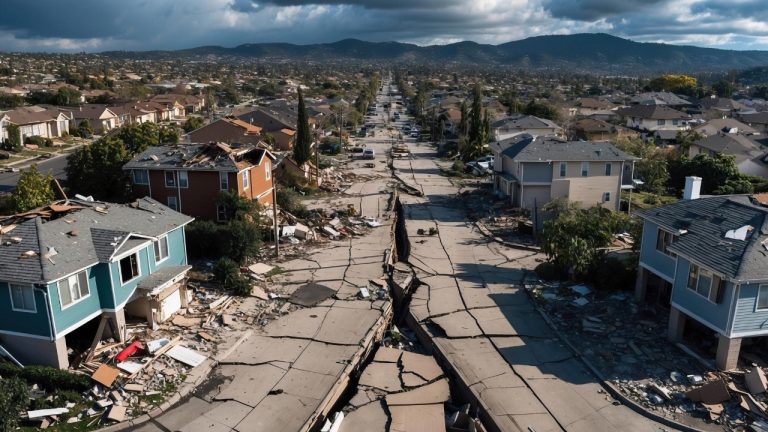
Questions Mount Over US Posture in Iran as Senators Challenge Claims of Destroyed Defences
Growing scrutiny in Washington is converging on a single question: how far did recent US and allied strikes actually degrade Iran’s air and missile defenses, and what that means for the next confrontation. Senators from both parties are pressing the administration for proof that systems described as “destroyed” are truly out of action and that US forces are not being left exposed by overly optimistic assessments.
The dispute has moved beyond a narrow technical argument about radar sites and launchers. It now goes to the heart of US deterrence in the Gulf, the credibility of official briefings to Congress, and the risk that misreading Iran’s remaining capabilities could spark a wider regional war.
What happened
The latest round of questions stems from US and allied strikes that targeted elements of Iran’s missile enterprise and air defense network, including launch sites, command nodes, and radar facilities. The Pentagon has described those operations as having significantly reduced Tehran’s ability to fire ballistic and cruise missiles at US forces and partners, pointing to destroyed launchers and damaged infrastructure as evidence that Iran’s threat has been sharply curtailed.
Independent military analysts, however, have painted a more cautious picture. Imagery and battle damage assessments cited by outside experts suggest that while several sites were hit, Iran retains a large inventory of short- and medium-range systems, including road-mobile launchers that are harder to track and destroy. According to one detailed assessment, the strikes did hobble parts of, but left substantial capacity intact and did not eliminate Tehran’s ability to mount salvos against regional targets.
The gap between the Pentagon’s confident tone and more restrained outside assessments has fueled pointed exchanges on Capitol Hill. Senators on key committees have pressed defense officials to clarify what proportion of Iran’s known missile launchers were actually destroyed, how many key radar and command facilities are confirmed out of service, and how much of the remaining network has simply been forced to relocate or operate more covertly.
Skepticism has been sharpened by classified briefings in which some members say the intelligence picture looks less definitive than public statements suggest. Lawmakers have asked for more granular data, including before-and-after imagery of specific sites, and for clear distinctions between systems that are destroyed, damaged, or merely disrupted. Several senators have also questioned whether the administration has been too quick to describe Iranian capabilities as “neutralized” when they may only be temporarily suppressed.
At the same time, the strikes have exposed another vulnerability on the US side. Defending against Iranian missiles and drones requires large numbers of interceptors for systems such as Patriot, THAAD, and ship-based defenses. The same analysis that tracked the effect on Iran’s arsenal warned that the high tempo of recent regional engagements has raised serious concerns over the available interceptor stockpile for US and allied forces. That warning has resonated with senators who already worry about munitions shortfalls in other theaters.
Why it matters
The dispute over how much damage was done to Iran’s defenses matters on several levels. First, it shapes deterrence. If Tehran believes its missile and air defense network survived largely intact, it may calculate that it can absorb another round of strikes and still respond with salvos against US bases or regional partners. Conversely, if Washington overestimates the damage it has inflicted, it may underestimate the risk of escalation in any future confrontation.
Second, the credibility of official briefings is on the line. Members of Congress rely on classified and unclassified assessments to approve deployments, authorize the use of force, and fund replenishment of munitions. When senators publicly challenge claims that Iranian defenses have been “destroyed,” they are signaling concern that the administration may be shading the picture to present a more decisive success than the evidence supports. That, in turn, can harden bipartisan demands for independent assessments and more frequent reporting on the status of Iranian capabilities.
Third, the interceptor issue links the Iran debate to a broader conversation about US military readiness. High demand for Patriot and other air defense interceptors in the Middle East competes with requirements in Europe and the Indo-Pacific. If, as analysts warn, the recent operations have significantly drawn down stocks, then the United States faces hard choices about where to position limited missile defense assets and how quickly industry can ramp up production.
That tension is already visible in congressional hearings, where senators have pressed Pentagon leaders on whether current production lines can sustain the rate of expenditure seen in recent engagements against Iranian drones and missiles. The concern is that a prolonged period of heightened alert in the Gulf could erode the ability to respond to a separate crisis elsewhere. For lawmakers who see China and Russia as long-term pacing threats, the idea that operations against Iran might consume critical munitions at unsustainable rates is deeply unsettling.
Fourth, the accuracy of assessments about Iranian air defenses has direct implications for any future contingency that would require US or Israeli aircraft to penetrate Iranian airspace. If surface-to-air systems, radar networks, and command facilities are more intact than some public statements suggest, then any such operation would be more dangerous and would demand heavier suppression of enemy air defenses in the opening phase. Senators who sit on defense and intelligence committees are acutely aware of that risk and are reluctant to sign off on strategies that rest on optimistic assumptions about degraded Iranian systems.
Finally, the political context in Washington amplifies these concerns. With election season approaching and partisan tensions already high over foreign policy, any perception that the administration is overselling military success could become a flashpoint. Lawmakers from both parties have incentives to show that they are scrutinizing claims carefully, defending service members from undue risk, and guarding against mission creep in the Middle East. The debate over Iran’s remaining defenses has become a proxy for those wider anxieties.
What to watch next
The next phase of this story will unfold on several fronts. On Capitol Hill, senators are likely to keep pressing for more detailed declassified summaries of battle damage assessments. If the administration releases additional imagery or data that supports its claims about destroyed Iranian systems, that could ease some of the tension. If the evidence appears mixed or inconclusive, calls for outside reviews and independent commissions could grow louder.
Congress will also focus on the munitions pipeline. Expect hearings that drill into production figures for Patriot, THAAD, and other interceptors, along with questions about how quickly industry can add capacity. Appropriators will weigh supplemental funding requests aimed at replenishing stocks used in recent engagements and at pre-positioning more interceptors in the Gulf. The outcome of that debate will shape how long the United States can sustain a high level of air and missile defense coverage around key bases and partner territory.
On the operational side, analysts will watch for signs that Iran is adapting its posture. If Tehran disperses more of its launchers, hardens key command facilities, or accelerates work on underground complexes, that would suggest that the strikes, while painful, have not fundamentally deterred further investment in missile capabilities. Conversely, if satellite imagery shows a slowdown in visible activity at known sites, or if Iranian rhetoric shifts toward emphasizing diplomacy over deterrent power, that could indicate a different internal calculation.
Regional partners will also be reading the same signals. Gulf states that host US forces, as well as Israel, will draw their own conclusions about how much Iran’s capabilities have been degraded and how reliable US defenses remain. Their assessments will influence decisions about joint exercises, intelligence sharing, and potential participation in future strikes. If they perceive gaps in US protection, they may accelerate purchases of their own air defense systems or explore new security arrangements.

Leo’s been tracking game and tuning gear since he could stand upright. He’s sharp, driven, and knows how to keep things running when conditions turn.