Report: Special forces recover crew member after fighter jet incident
U.S. special operations forces have recovered a missing crew member from an F-15E Strike Eagle that went down inside Iran after a combat mission, ending an intensive search that gripped the Pentagon and raised the stakes with Tehran. The rescue, carried out under significant risk, brings both airmen from the incident back under U.S. control and closes a perilous chapter in a fast-moving regional conflict.
The operation underscores how quickly a single downed jet can escalate into a high-stakes crisis involving elite units, sensitive technology, and delicate diplomacy in one of the most volatile parts of the world.
What happened
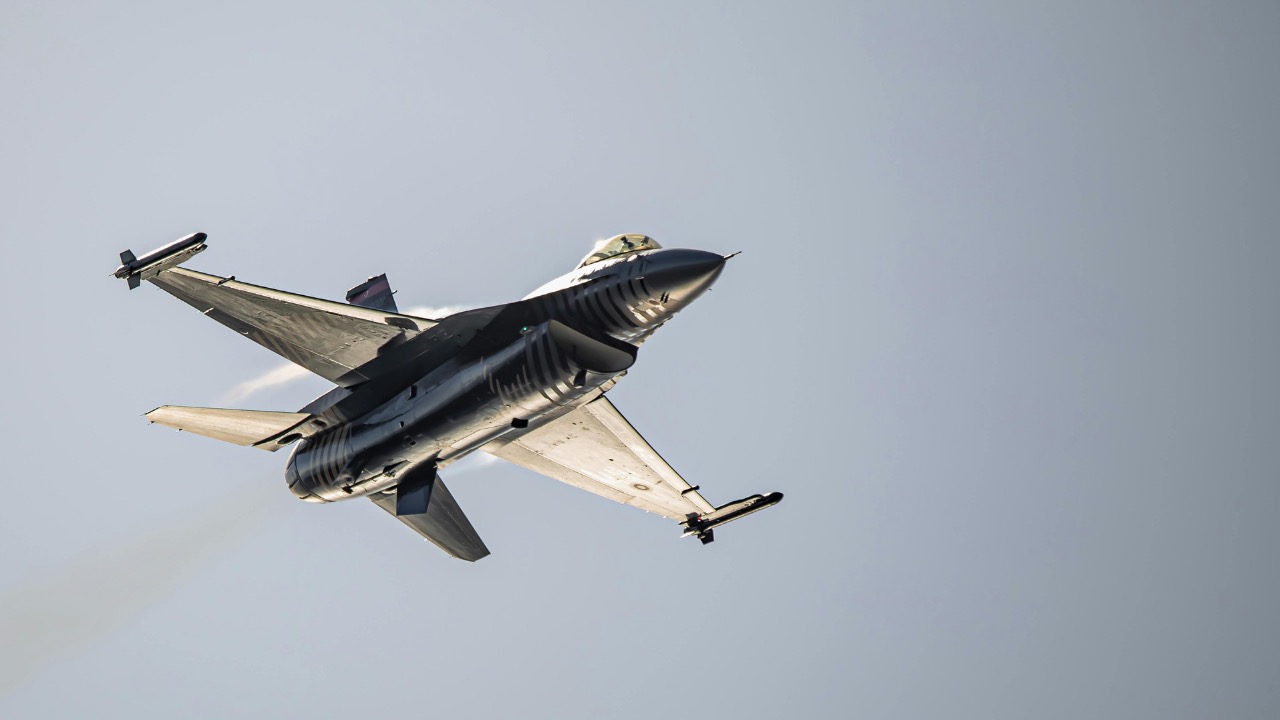
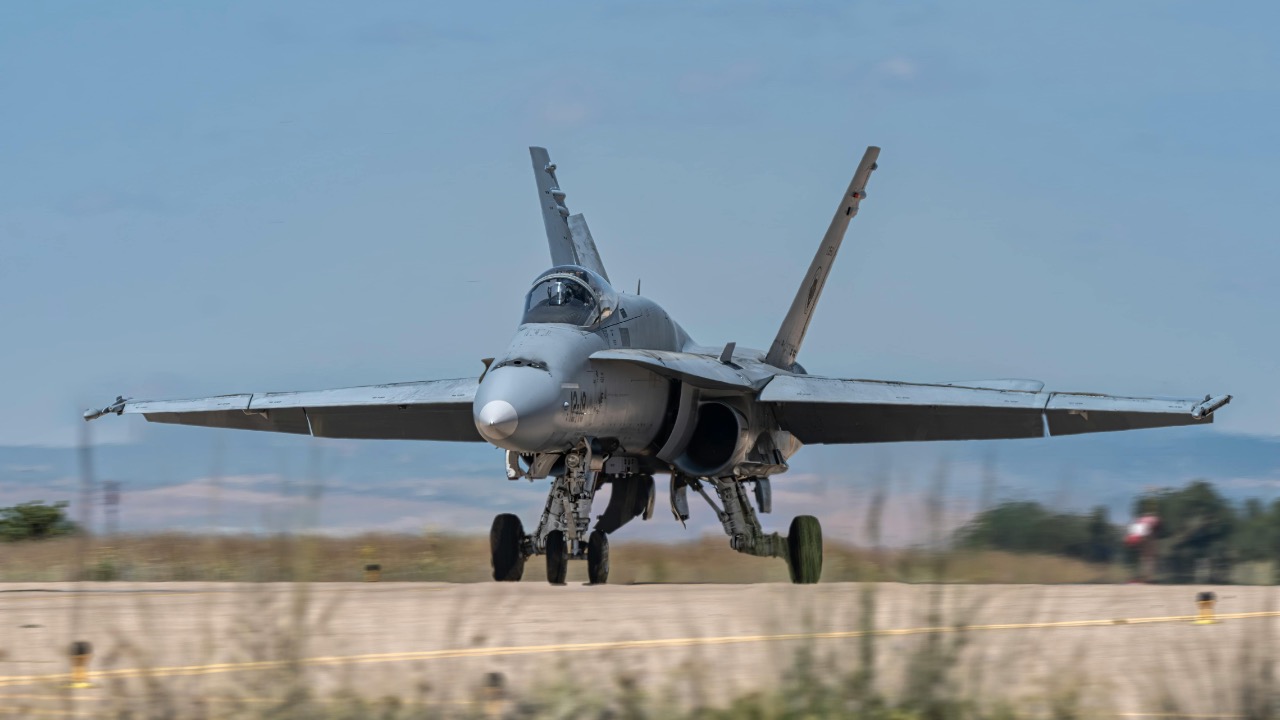
The incident began when a U.S. Air Force F-15E Strike Eagle, flying a combat mission related to ongoing operations in the Middle East, suffered a catastrophic failure that forced its two-person crew to eject over Iranian territory. Initial reporting indicated that one airman was recovered soon after the crash, while the second crew member remained unaccounted for inside Iran. U.S. officials treated the missing airman as isolated behind enemy lines, triggering a major search-and-rescue effort that included surveillance aircraft, intelligence assets, and special operations forces.
Officials familiar with the operation said the missing crew member was eventually located and recovered in a mission executed by U.S. special operations units that had been moved into position as the search narrowed. The recovery took place on Iranian soil, in an area that U.S. planners assessed as remote enough to support a brief insertion and extraction but still heavily monitored by Iranian security forces. The mission required precise timing to avoid detection and to get the crew member out before Iranian units could respond.
From the moment contact was lost, U.S. officials described the effort to find the airman as urgent. Intelligence teams worked to track the crew member’s survival radio signals and other indicators, while aircraft orbited outside Iranian airspace to collect electronic and visual data. Reports indicate that planners also weighed the risk that Iranian forces might capture the downed airman, which would have created a far more complicated hostage situation and a potential bargaining chip for Tehran.
Once special operations forces had a fix on the airman’s location, they executed what officials described as a short-duration ground mission. The team moved in, secured the crew member, and withdrew before Iranian units could mount a coordinated response. The recovered airman was then transferred to U.S. medical care for evaluation. Early assessments indicated that the crew member had survived the ejection and time on the ground with injuries that were serious but not immediately life threatening, a relatively fortunate outcome given the terrain and the risk of capture.
Senior defense officials, speaking on background, framed the operation as a textbook example of the U.S. military’s long-standing commitment to personnel recovery. They cited the rapid deployment of special operations teams and the integration of intelligence, surveillance, and reconnaissance assets as key factors in the successful extraction. One official noted that the mission unfolded under the constant possibility that Iranian radar or patrols could detect the operation, which would have risked a direct confrontation on the ground or in the air.
The Pentagon has not publicly detailed the exact units involved, but the profile of the mission aligns with capabilities typically associated with joint special operations task forces that specialize in combat search and rescue. These units train specifically for scenarios in which pilots or other personnel are stranded behind enemy lines and must be recovered quickly before adversaries can capture them or exploit sensitive equipment.
Public confirmation that the missing airman had been rescued followed internal notifications to the crew member’s family and key members of Congress. Officials emphasized that both members of the F-15E crew were now in U.S. custody and that no U.S. personnel remained stranded inside Iran as a result of the crash. That assurance marked an important turning point after days of uncertainty in Washington about the fate of the missing airman.
Reporting on the operation has highlighted how U.S. special operations units carried out the recovery under significant risk inside Iran, with one account describing how the mission to retrieve the downed F-15 crew was treated as a top-tier priority within the Pentagon.
Why it matters
The rescue matters on several levels: for the crew member and their family, for the U.S. military’s ethos, and for the broader strategic picture involving Iran and regional security. At the most basic level, the operation fulfilled a core promise that the U.S. military makes to its personnel, that if they are shot down or stranded, every available resource will be used to bring them home. That commitment is not just moral; it also has practical consequences for morale and recruitment, particularly among pilots and special operators who accept high-risk missions.
The incident also carries significant implications for U.S. relations with Iran. Conducting a rescue on Iranian territory, even one designed to be brief and covert, touches directly on Iranian sovereignty and security sensitivities. Tehran has long viewed U.S. military activity near its borders as a threat, and any incursion, however limited, risks a sharp response. U.S. planners therefore had to balance the imperative of recovering the airman with the danger that Iran might detect the mission and treat it as a provocation that could justify retaliation.
There were also concerns about sensitive technology after the crash of a sophisticated aircraft like the F-15E Strike Eagle inside Iran. Even if the jet was destroyed on impact or by follow-on action, U.S. officials would have been keenly aware of the risk that Iranian forces could recover pieces of the aircraft, including avionics, sensors, or weapons components. The presence of an American airman on the ground heightened that risk, since capture would have given Iran both a high-profile prisoner and potential access to survival gear, communications equipment, and other classified systems.
The successful recovery of the missing crew member removed the most politically sensitive element of the crisis, the possibility of an American pilot paraded on Iranian state media or used as leverage in negotiations. Past incidents in which U.S. or allied personnel were captured have often become protracted diplomatic standoffs. By getting the airman out quickly, U.S. officials avoided that scenario and limited Iran’s ability to shape the narrative around the crash.
The mission also illustrates how U.S. special operations forces are used as a flexible tool in complex environments. The same units that conduct counterterrorism raids or advise partner forces were redirected to a time-sensitive personnel recovery in a heavily contested region. That versatility reflects years of investment in training, equipment, and joint planning that allow such units to shift from one mission set to another with little warning.
From a broader strategic perspective, the F-15E incident highlights the risks inherent in sustained air operations near Iranian territory. Even without direct enemy fire, mechanical failures, navigation errors, or other mishaps can put crews in jeopardy inside or near hostile airspace. Each such incident carries the potential to spiral into a larger confrontation, particularly when it involves a country like Iran that is already in a tense standoff with the United States over nuclear activity, regional proxies, and maritime security.
The rescue has already prompted renewed scrutiny of how the U.S. manages risk in these missions. Analysts are asking whether route planning, altitude profiles, or maintenance practices need to be adjusted to reduce the chance of another jet going down in such a sensitive area. Others are focused on the resilience of search and rescue capabilities, arguing that the rapid deployment of special operations forces in this case should not obscure the fact that a similar incident in a different location might be harder to resolve quickly.
Accounts of the mission have emphasized how elite units specialized in personnel recovery were central to the effort, with one detailed report describing how special operations forces moved rapidly to locate and extract the missing airman before Iranian units could intervene.
The human dimension of the story also resonates across the force. Pilots and aircrew train extensively for the possibility of ejecting over hostile territory, rehearsing survival techniques, communication protocols, and what to expect if captured. Knowing that a real-world rescue can succeed under such difficult conditions reinforces that training and can strengthen confidence in the systems and people tasked with bringing them home.
For Iran, the crash and rescue pose a different set of questions. Iranian leaders must decide how publicly to address an incident that involved a foreign combat aircraft and a covert recovery mission on their soil. Acknowledging the operation could invite domestic criticism for failing to intercept the rescue, while ignoring it risks ceding the narrative to Washington. How Tehran chooses to respond, whether through rhetoric, diplomatic channels, or military posturing, will shape the next phase of this episode.
Reporting that cited U.S. officials and regional sources has framed the recovery of the second crew member as a significant achievement, with one account noting that the missing airman was successfully brought out of Iran after a tense search that involved multiple agencies.
What to watch next
The immediate crisis of a missing crew member has been resolved, but the fallout from the F-15E incident is still unfolding. Several key questions will shape what happens next, starting with how the U.S. and Iran choose to frame the episode publicly. U.S. officials are likely to emphasize the successful rescue and the professionalism of the forces involved, while minimizing operational details to protect tactics and sources. Iran’s response is less predictable and could range from muted acknowledgment to sharp condemnation of what it may describe as a violation of its territory.
Observers will be watching closely for any sign that Iran intends to retaliate in response to the crash and rescue. That reaction could take many forms, including stepped-up harassment of U.S. naval vessels in nearby waters, increased support to proxy groups, or cyber activity aimed at U.S. or allied targets. Even if Tehran chooses not to escalate immediately, the episode will feed into its broader calculus about U.S. resolve and willingness to take risks to protect its personnel.
Within the U.S. military, attention will shift to the investigation into why the F-15E went down in the first place. Accident inquiries of this kind typically examine maintenance records, flight data, pilot accounts, and any available sensor information to determine whether mechanical failure, human error, environmental conditions, or hostile activity played a role. The findings will have implications for how similar missions are flown in the future, including any changes to aircraft inspections, mission planning, or training.
Another area to watch is how the incident influences U.S. basing and posture decisions in the region. If the investigation suggests that certain flight paths or mission profiles carry unacceptable risk near Iranian territory, commanders may adjust where aircraft operate from or how they approach targets. That could, in turn, affect the tempo of air operations and the demands placed on tanker aircraft, intelligence platforms, and regional partners that host U.S. forces.

Leo’s been tracking game and tuning gear since he could stand upright. He’s sharp, driven, and knows how to keep things running when conditions turn.