The hidden risks behind reloading your own ammunition
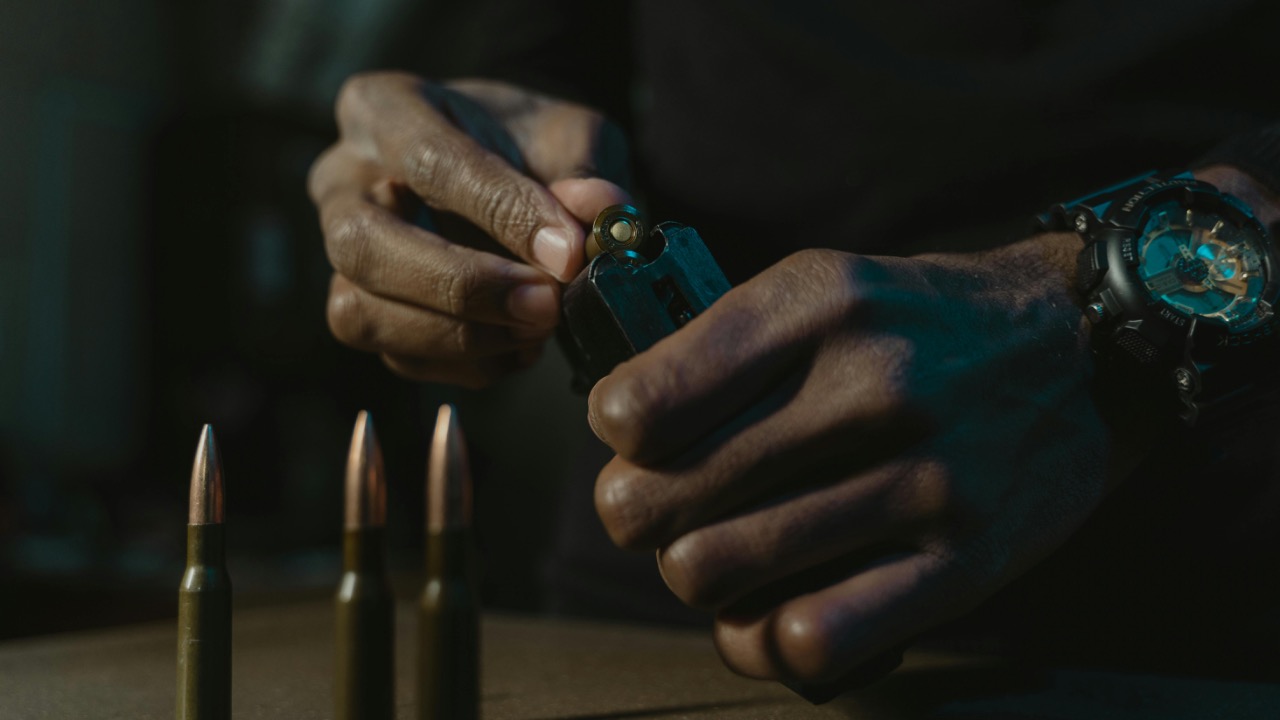
Handloading ammunition has long appealed to hunters and sport shooters seeking lower costs, tighter groups, or a custom load for a favorite rifle. Yet behind the image of a careful hobbyist at a reloading bench lie hazards that reach far beyond a single garage or basement. From toxic lead dust to unpredictable pressures and legal exposure, the risks around do-it-yourself cartridges are often more complicated than enthusiasts expect.
As more shooters turn to reloading in response to price spikes or supply shortages, the safety margin depends less on marketing claims and more on chemistry, physics, and public health research. The hidden costs can surface not only at the range, but also in wildlife, household air, and even a child’s bloodstream.
What happened
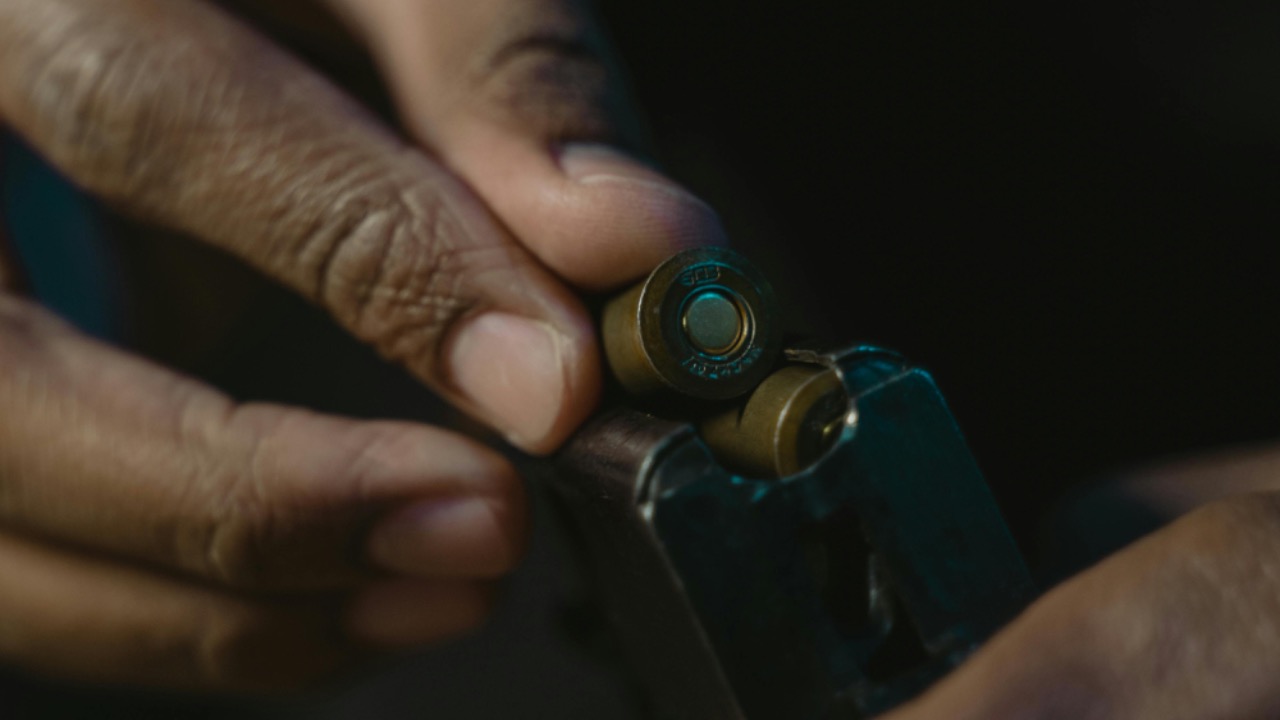
For decades, reloading manuals and gun-counter advice have framed handloading as a path to precision and independence. The basic process seems straightforward: spent brass is cleaned and resized, new primers are seated, powder is measured, and a bullet is pressed into place. In practice, each of those steps can introduce a failure point, especially when the components involve lead.
Lead-based bullets and shot remain common in both factory and handloaded ammunition. When these projectiles are fired, they can fragment into dozens or hundreds of tiny pieces inside an animal, or shed particles along the bullet’s path. A detailed examination of lead hunting rounds found that a single shot can leave a surprising number of microscopic fragments in a carcass, fragments that can end up in meat or on the landscape where scavengers feed on gut piles and unrecovered animals. That analysis showed how lead from bullets can move from the reloading bench to the dinner table and into the wider food chain.
Inside homes and small workshops, the reloading process itself becomes a source of exposure. Handling lead bullets and shot, trimming brass, and cleaning cases can release fine dust that settles on benches, floors, and clothing. In poorly ventilated spaces, that dust can linger in the air. Families who store hunting gear and reloading equipment in shared areas, such as basements or utility rooms, may unknowingly track contamination into kitchens and bedrooms on hands and shoes.
Missteps with powder charges create a different category of danger. Published load data is based on controlled testing with specific powders, bullets, and cases. When reloaders substitute components or push loads toward the top of the pressure range, the risk of a catastrophic failure rises sharply. Overpressure rounds can produce split cases, blown primers, or in extreme cases a ruptured barrel. Undercharged loads can be just as hazardous if a bullet lodges in the bore and a second round is fired behind it.
Accidents around the reloading bench also extend to storage. Smokeless powder and primers are energetic materials that need cool, dry conditions and containers designed to vent pressure in a fire. Storing large quantities in sealed metal cabinets or near open flames increases the chance that a small house fire will escalate into an explosion. Some local fire codes limit how much powder and how many primers a person may keep in a residence, yet those rules are often overlooked when shooters stock up during periods of scarcity.
On the hunting side, the continued use of lead ammunition has triggered growing concern among biologists and health officials. Field necropsies on deer, elk, and other game have documented lead fragments far from the main wound channel, sometimes embedded in muscle that hunters might trim for steaks or roasts. X-ray images of processed meat packages have revealed bright flecks that correspond to bullet residue, a reminder that even careful butchering cannot always remove every contaminant.
Those findings have pushed some hunters toward non-lead alternatives, especially solid copper bullets. Detailed reporting on the shift to copper has highlighted how these projectiles can expand reliably while avoiding the toxic legacy of lead. One investigation into lead ammunition described how fragments from traditional bullets can poison scavenging birds and mammals, while copper rounds break up less and do not carry the same toxicity.
Public health agencies have also traced elevated blood lead levels in some hunters and their families to game meat harvested with lead ammunition. In these cases, the issue was not industrial pollution or old paint, but tiny metallic shards hidden in otherwise clean-looking venison or waterfowl. For reloaders who pride themselves on supplying meat for the freezer, those findings complicate the story of self-reliance.
Why it matters
The risks around handloaded ammunition matter because they span personal safety, environmental damage, and long-term health. Each category touches a different set of people: the shooter behind the trigger, the family at the dinner table, and the wildlife that never sees a human face.
On the personal safety front, the margin for error with powder and pressure is narrow. Modern firearms are engineered with safety factors, yet they are not designed to absorb repeated abuse from overpressure rounds. A single double-charged case in a handgun can turn a routine range trip into a serious injury, sending metal fragments into hands and faces. Even when the firearm survives, repeated hot loads can accelerate wear on locking lugs, chambers, and barrels, eventually leading to a failure that appears sudden but has been building over time.
Many reloaders rely on visual checks and feel to catch mistakes, but those methods can fail in low light or when distractions creep in. Progressive presses that crank out hundreds of rounds per hour amplify both efficiency and the impact of a single misadjusted powder measure. The same mechanical advantage that makes bulk reloading attractive can multiply the consequences of a small oversight.
Health risks from lead do not show up as dramatically as a blown case, yet they can be more damaging over a lifetime. Lead is a neurotoxin that interferes with brain development, especially in children. Medical research has found that even relatively low blood lead levels can affect learning, behavior, and cardiovascular health. When a parent spends hours each month handling lead bullets and primers, then comes upstairs to hug a toddler without washing thoroughly, the exposure pathway is direct.
Indoor shooting adds another layer. Many reloaders test their handloads at local ranges, some of which struggle with ventilation and cleanup. Each shot with a lead bullet or primer can release fine particles that hang in the air and settle on surfaces. Shooters who then return to a reloading space without changing clothes may carry that contamination back home, where it mixes with dust from the bench and storage shelves.
The environmental stakes extend far beyond individual shooters. Scavenging birds such as eagles, hawks, and vultures often feed on gut piles left in the field. When those remains contain bullet fragments, the animals ingest lead that their bodies cannot process safely. Wildlife biologists have documented cases in which raptors showed high lead levels during hunting seasons, pointing toward spent ammunition as a likely source. Mammals such as coyotes, foxes, and bears can be affected in the same way when they feed on carcasses hit with lead projectiles.
Wetland ecosystems tell a similar story. Although many regions have moved away from lead shot for waterfowl, older loads and illegal use still leave pellets in marshes and lake bottoms. Ducks and geese sometimes ingest these pellets while feeding, mistaking them for grit. Once swallowed, the metal can dissolve in the digestive system and enter the bloodstream, leading to weakness, poor reproduction, or death. Handloaders who continue to assemble lead shotshells for informal shooting near water risk adding to this legacy contamination.
Food safety is another reason the hidden risks matter. For many rural families, venison, elk, or wild hogs represent a significant portion of annual protein intake. When that meat carries lead fragments, the exposure is chronic and difficult to track. Small children and pregnant women are particularly vulnerable, yet may be the ones most encouraged to eat game because it is perceived as natural and free from industrial additives.
The economic argument for reloading also looks different when health and safety costs are factored in. A reloader might save several dollars per box of cartridges, especially for niche calibers or precision rifle rounds. However, those savings can evaporate quickly if a mistake destroys a firearm or leads to a medical bill. Even without an acute incident, the long-term costs of managing lead contamination in a home, or dealing with wildlife declines in a hunting area, can outweigh the short-term benefit of cheaper ammunition.
Legal and regulatory pressures are starting to reflect these concerns. Wildlife agencies in some regions have restricted lead ammunition for certain species or on specific public lands. As research continues to link spent bullets and shot with environmental harm, more areas may follow. Handloaders who invest heavily in lead-based components could find their preferred loads suddenly unwelcome on key hunting grounds, forcing a shift to alternative materials.
Insurance and liability questions also lurk in the background. If a handloaded round causes a firearm failure that injures someone else, or if contaminated meat from a shared hunt leads to documented health problems, the person who assembled the ammunition may face scrutiny that goes beyond informal blame. Commercial ammunition makers carry product liability coverage and follow strict quality control protocols. Individual reloaders operate without that safety net, yet their cartridges can travel just as far and cause similar harm.
What to watch next
Several trends will shape how the risks around reloading evolve in the coming years, from material science to public policy and consumer behavior. Each raises questions about how shooters balance tradition, cost, and safety.
One likely trend is the continued shift toward non-lead bullets. As more hunters learn how lead fragments move through carcasses and into scavengers, interest in copper and other alternatives grows. Manufacturers have responded with expanding lines of solid copper and bonded bullets designed to retain weight and minimize fragmentation. Handloaders who adopt these projectiles can reduce one of the most serious environmental and health hazards associated with their cartridges, although they must still manage lead from primers if those remain in use.
Another area to watch is indoor air quality and contamination in spaces where ammunition is assembled and stored. Public health campaigns that once focused on lead paint and gasoline are increasingly highlighting less obvious sources, including shooting sports. Guidance on ventilation, cleaning practices, and personal hygiene around reloading benches may become more specific and widely distributed, especially through hunting safety courses and range programs.
Advances in powders and primers could also change the risk profile of home-rolled ammunition. Some primer formulations already aim to reduce airborne lead and heavy metals, although performance and cost trade-offs remain. If cleaner options become standard and affordable, reloaders who adopt them can cut down on one significant exposure route. At the same time, any new component introduces fresh variables for pressure and ignition, so load data and safety practices will need to keep pace.

Leo’s been tracking game and tuning gear since he could stand upright. He’s sharp, driven, and knows how to keep things running when conditions turn.