Rifles that fight the shooter at every step
Some rifles make shooting feel natural. Others seem determined to work against you no matter how solid your fundamentals are. These are the rifles that punish small mistakes, exaggerate recoil, fight for a proper cheek weld, or demand constant work to stay on target. You can be a disciplined shooter with good habits and still walk away irritated after a range session. This isn’t about skill gaps or poor training. It’s about platforms that add friction where there shouldn’t be any. After years behind triggers, these are the rifles that consistently turn effort into exhaustion and concentration into frustration.
Mosin-Nagant M91/30
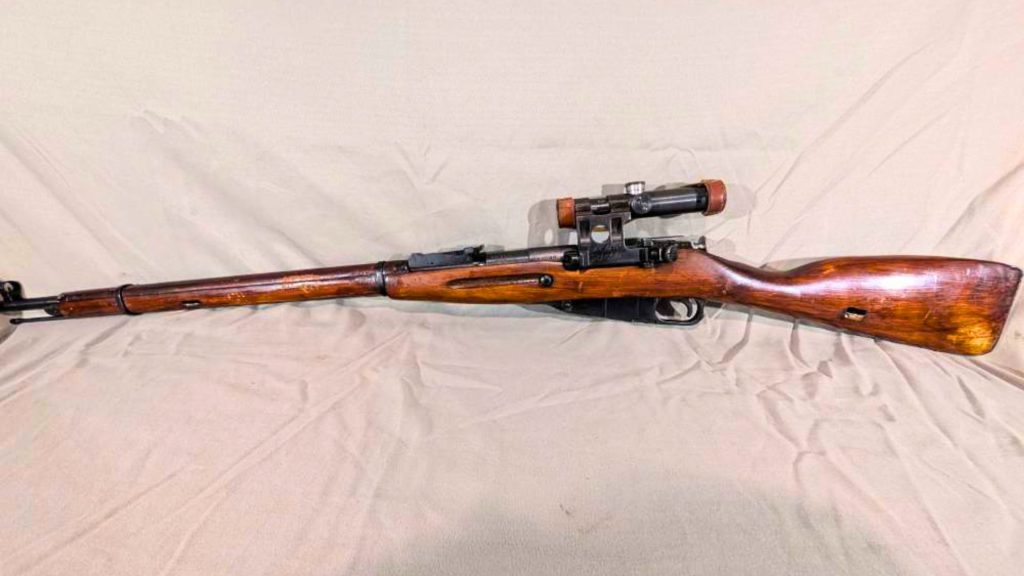
The Mosin-Nagant M91/30 has history on its side, but shooting one is a lesson in endurance. The long bolt throw feels stiff even when clean, and the trigger pull is often heavy and uneven. You spend more energy managing the rifle than focusing on sight alignment and follow-through.
Recoil is sharp, the steel buttplate offers no forgiveness, and the short sight radius magnifies small errors. Even experienced shooters struggle to stay consistent across strings of fire. It isn’t inaccurate by default, but it demands constant correction, making every shot feel like work instead of progress.
Remington 770
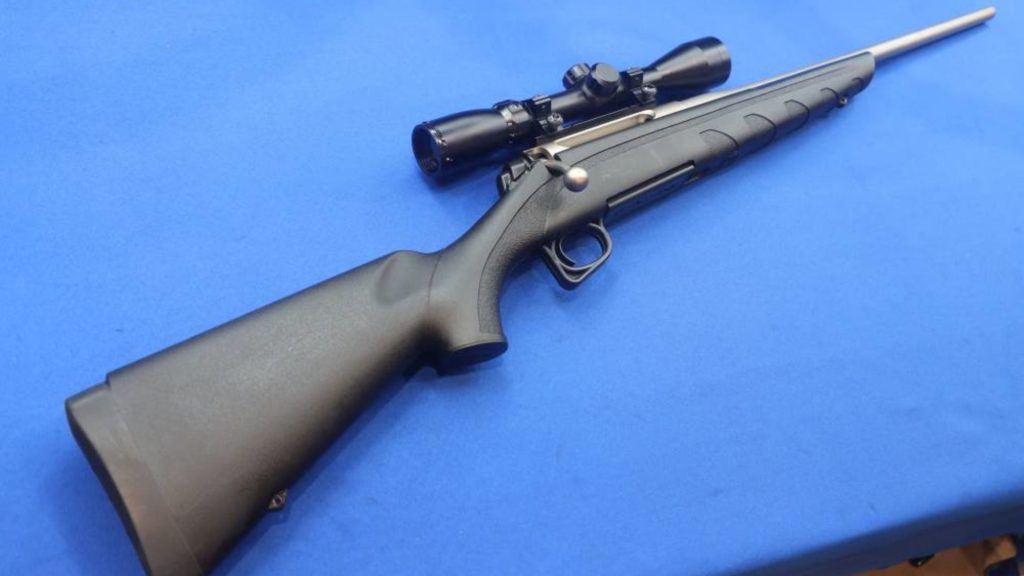
The Remington 770 gained popularity through price and branding, not performance. The bolt lift often feels rough, and the stock flexes enough to affect consistency. Even careful shooters notice groups wandering without obvious cause.
The trigger rarely breaks clean, forcing you to manage creep while trying to hold steady. Add in questionable scope mounting and inconsistent feeding, and you’re left troubleshooting instead of shooting. Good fundamentals can’t overcome a rifle that refuses to settle, making it a platform that drains confidence quickly.
Ruger Mini-14 (Early Models)
Early Ruger Mini-14 rifles earned a reputation that didn’t always match reality. Thin barrels heat fast, and accuracy can fall apart after only a few rounds. You feel like the rifle is racing ahead of your shooting rhythm.
Sight adjustments lack precision, and aftermarket optics often introduce new problems. Even shooters with solid trigger control find themselves chasing groups instead of refining technique. The Mini-14 works, but it demands constant restraint and patience, turning controlled shooting into a balancing act.
Winchester Model 94
The Winchester Model 94 is iconic, but it fights modern shooting habits. Stock geometry makes consistent cheek weld difficult, especially with optics. The top-eject design complicates scope mounting and forces compromises.
Trigger pulls vary widely, and follow-up shots require deliberate manipulation. Even skilled shooters find their pace interrupted by ergonomics that resist consistency. It performs within its intended role, but outside close-range work, it constantly pushes back against precision and comfort.
SKS

The SKS is dependable, but it challenges shooters at every step. The short sight radius, heavy trigger, and awkward safety placement demand constant attention. You never fully relax into the rifle.
Magazine loading slows training, and balance shifts as you move through shooting positions. Accuracy is acceptable, but it takes effort to maintain. Even experienced shooters notice fatigue and frustration building as the rifle resists smooth, repeatable performance.
Ruger Precision Rifle
The Ruger Precision Rifle looks purpose-built, yet it can feel unforgiving. Weight becomes an issue fast, especially when repositioning or shooting unsupported. Small mistakes show up immediately on target.
Stock adjustments help, but finding the right setup takes time. Some triggers feel inconsistent, forcing extra focus on the break. You can shoot it well, but it demands discipline on every shot, leaving little room for error or comfort.
Savage Axis
The Savage Axis delivers mixed results. The action can feel gritty, and the stock geometry doesn’t fit everyone. Maintaining a steady position takes more effort than expected.
Accuracy potential exists, but follow-through matters more than it should. The rifle amplifies inconsistencies in grip and posture, making long sessions tiring. Skilled shooters often leave feeling like they worked harder than necessary for average results.
Marlin X7
The Marlin X7 shows promise but rarely settles in. Bolt travel lacks smoothness, and triggers vary enough to disrupt timing. You’re always adjusting your pull instead of trusting it.
Stock fit can feel off, affecting recoil control and eye alignment. Groups appear and disappear without clear explanation. Even with experience, the rifle keeps you guessing, which is the opposite of what good shooting requires.
Remington 742 Woodsmaster
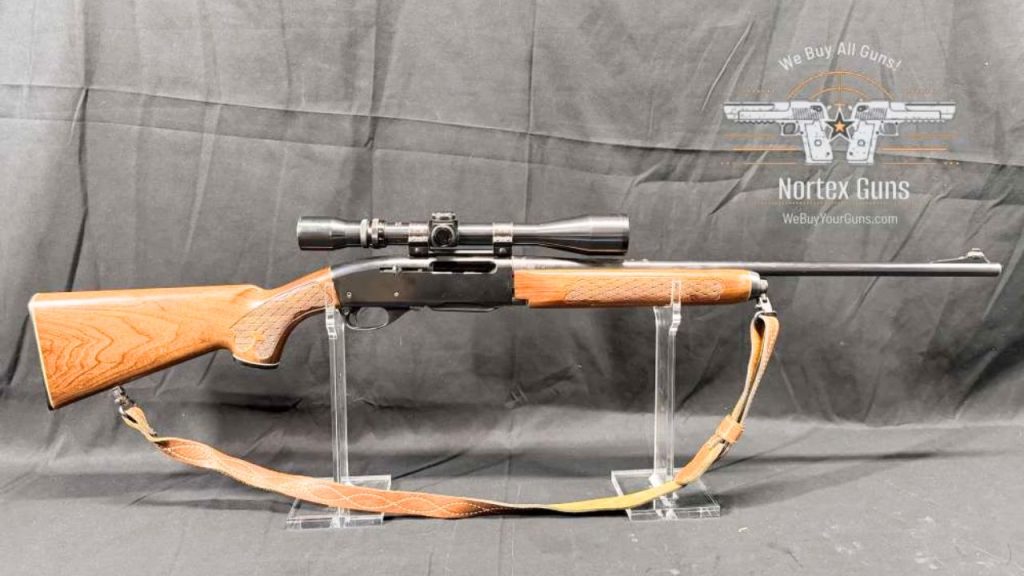
The Remington 742 can be accurate, but it demands careful handling. The action is sensitive to fouling, and extraction issues are common with heavy use. You’re always aware of its limits.
Triggers tend to be heavy, and recoil management requires attention. Follow-up shots feel rushed even when you try to slow down. For experienced shooters, the rifle becomes something to manage rather than rely on.
Ruger Gunsite Scout
The Ruger Gunsite Scout looks versatile, but handling tells a different story. Balance feels forward-heavy, and stock length doesn’t suit every shooter. Sight picture varies depending on position.
The shorter barrel limits forgiveness, and recoil comes back quickly. Accuracy is fine, but maintaining consistency takes effort. Instead of settling into a rhythm, you’re constantly compensating for design choices that interrupt flow.
Mossberg MVP
The Mossberg MVP offers magazine compatibility, but execution creates friction. Bolt lift can feel awkward, and feeding isn’t always smooth. You hesitate before every cycle.
Triggers vary, and stock rigidity affects stability. Even shooters with solid fundamentals notice fatigue creeping in. The rifle works, but it asks more from the shooter than it gives back, especially during longer sessions.
H&R Handi-Rifle
The H&R Handi-Rifle is straightforward in design but demanding in practice. The break-action requires careful loading, and triggers are often heavy. Every shot feels deliberate to a fault.
Stock fit can be awkward, and recoil comes straight back. Maintaining consistency takes patience and restraint. Skilled shooters often feel slowed down, as the rifle resists fluid shooting and rewards only careful, measured effort.

Asher was raised in the woods and on the water, and it shows. He’s logged more hours behind a rifle and under a heavy pack than most men twice his age.