Rods that feel sensitive but miss light bites
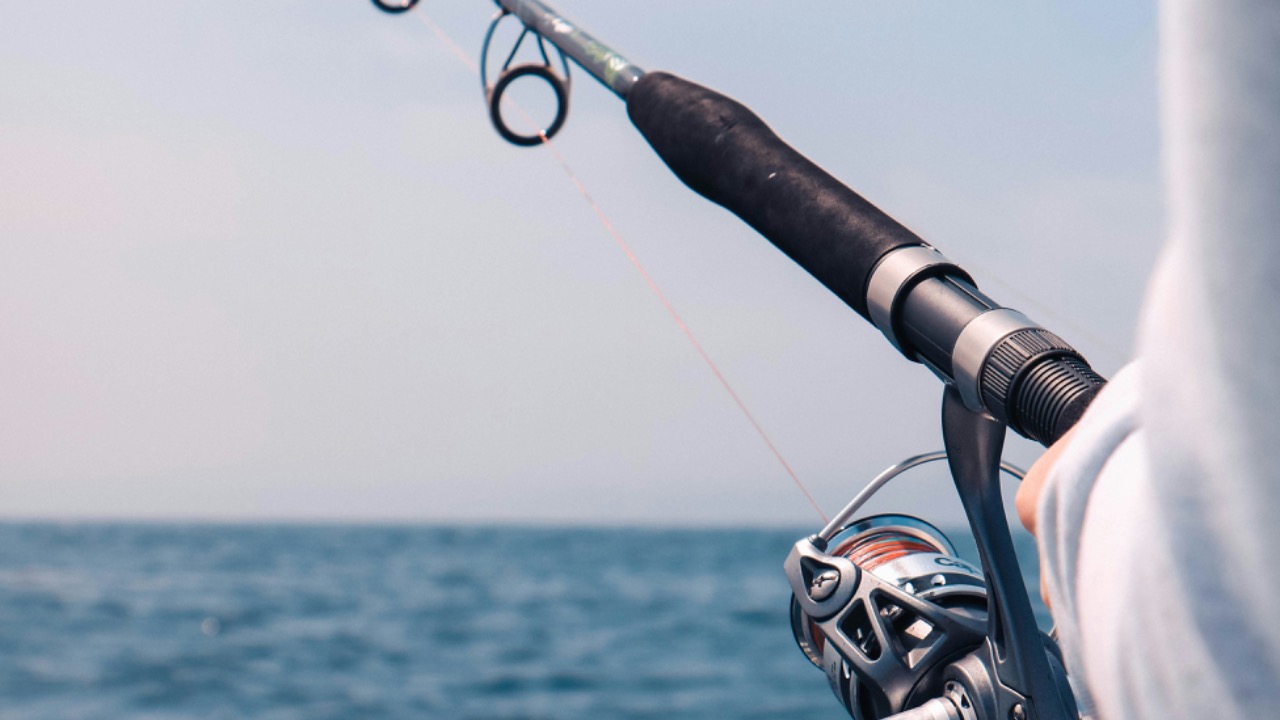
You’ve spent plenty of days on the water where the rod feels alive in your hands, transmitting every pebble and weed the lure drags over, yet those faint nibbles from a wary fish slip right past. The blank picks up everything until it matters most, then goes quiet on the lightest takes. It happens more than we admit, especially when targeting species that barely mouth the bait before dropping it.
The issue often comes down to mismatched components or technique. A rod that’s plenty sensitive for bottom contact can still fail to register subtle pressure changes if the tip loads too slowly or the overall setup deadens feedback. Line choice, hook set timing, and even how you hold the rod all play in. Over years of chasing bass, walleye, and panfish, I’ve seen the pattern repeat: high sensitivity doesn’t guarantee you’ll catch every light biter. Here’s a look at specific rods where this shows up, and what you can do about it.
St. Croix Legend Elite Panfish
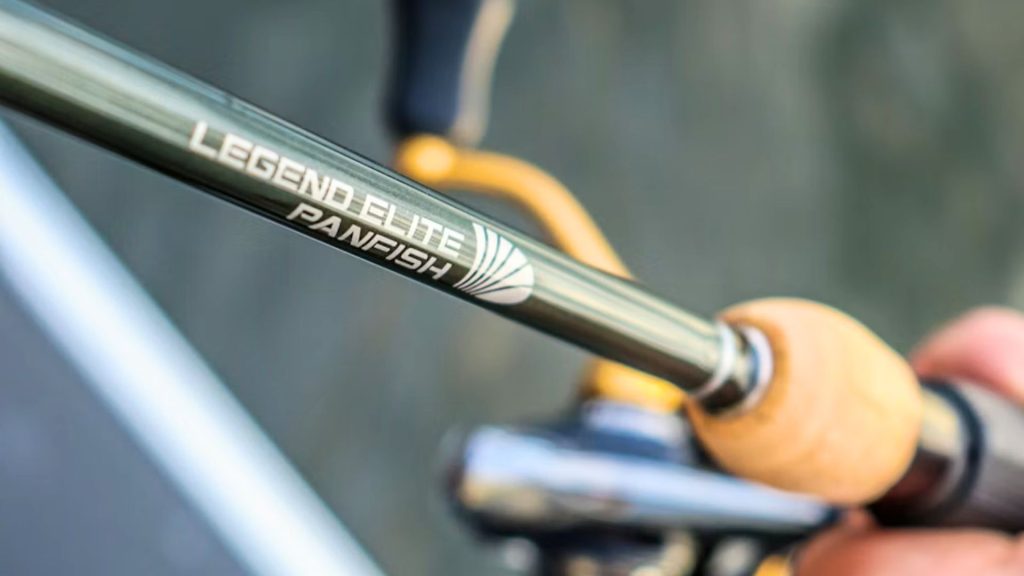
This one’s built on premium graphite with an extra-fast tip designed for tiny jigs and micro presentations. You feel the lure tick along submerged structure clearly, and the blank relays vibrations straight to your palm. But on those days when crappie or bluegill barely inhale the bait, the tip can stay too still. The fast action prioritizes quick hooksets once you detect contact, but the lightest suction-style bites often don’t flex it enough to notice without watching the line slack.
Pair it with hi-vis braid to a fluoro leader and keep your eyes on the line for any hesitation or slow movement. That visual cue fills in where the rod’s sensitivity falls short on ultra-subtle takes. Many panfish specialists run this setup and swear it doubles their hookup rate on finicky fish.
G. Loomis NRX Jig & Worm
The NRX series blanks rank among the most responsive out there, transmitting bottom composition and lure movement with exceptional clarity. You sense gravel shifts or a crayfish crawling away without much effort. Yet in cold water or with pressured bass, those tentative inhales on a finesse worm or Ned rig can go undetected because the rod demands a certain threshold of pressure to load noticeably.
The blank’s stiffness helps with precise casts and solid hook drives, but it can mask the softest mouthing. Switch to lighter line within the rod’s rating and focus on maintaining slight tension—let the fish pull the rod tip down a hair instead of waiting for a sharp tick. Over time, you’ll train yourself to catch those near-invisible changes.
Shimano Expride
Expride rods deliver crisp feedback through high-modulus graphite, making them favorites for jig and Texas rig work. The tip registers every pebble and subtle drag change, giving you confidence in what the lure’s doing. But when bass nip without committing—common in clear water or post-frontal conditions—the bite often registers as nothing more than a momentary slack rather than a definitive pull.
The rod’s fast taper shines for driving hooks home once you feel resistance, but the initial contact can slip by. Use it with sensitive line like braid and pay close attention to your reel handle; any unusual resistance or pause means set the hook. Many anglers pair this rod with lighter jigs to amplify those faint signals.
Megabass Destroyer P5 Series
These high-end blanks push sensitivity to another level with advanced graphite construction that picks up minute vibrations. You feel the difference between sand and rock instantly, and lure action comes through loud and clear. Still, on light-biting days—think smallmouth in deep current or walleye hovering over structure—the subtlest takes don’t always translate into enough tip movement to react in time.
The rod’s power helps with bigger fish, but that same backbone can mute the faintest nibbles. Compensate by fishing with the rod tip low and maintaining direct contact; watch for line jumps or slow tightening. Experienced hands often say this rod rewards patience and line watching more than pure feel alone.
Fenwick HMG
A solid mid-range option with good graphite construction that gives clear feedback on bottom and lure movement. The tip loads nicely for casting light rigs, and you detect most structure changes without issue. But in finesse scenarios where fish barely touch the bait, the rod sometimes requires a more pronounced pull to register, especially if you’re using heavier line or a slightly overloaded setup.
It’s forgiving for all-day use, but those edge-of-detection bites can vanish. Drop down in line test and keep your grip light—let the blank do the work without damping vibrations through heavy hands. Plenty of walleye and bass guys rely on it for seasons and still catch fish by combining feel with visual cues.
Abu Garcia Veritas PLX
Lightweight and balanced with enough graphite to transmit vibrations well. You sense jig movement and bottom contact reliably, making it versatile for inshore or freshwater finesse. On the flip side, ultra-light bites from perch or crappie in still water often don’t flex the tip sufficiently if the action leans toward moderate-fast.
The rod handles bigger lures fine, but for tiny presentations, it benefits from hi-vis line and close monitoring of slack. Many users find that slight rod tip twitches or line movement reveal what pure feel misses. It’s a dependable all-arounder that improves with experience reading secondary signs.
Daiwa Steez
Steez blanks offer top-tier sensitivity through refined graphite builds, letting you distinguish bottom types and lure wobble easily. The feedback is sharp, especially on bottom-contact techniques. Yet in tough conditions with hesitant fish, the lightest taps can blend into background noise because the rod needs a bit more input to show clear deflection.
It’s built for precision, so use it with minimal slack and sensitive setups. Focus on any pause in retrieve or unnatural line movement—those often signal the bite before the tip moves much. Seasoned anglers get the most from it by staying locked in on multiple cues at once.
13 Fishing Defy Black
An affordable high-sensitivity performer that punches above its price with good blank transmission. You feel pebbles, weeds, and subtle shifts clearly, making it great for jigging or light Texas rigs. But on days when bites are barely there, the rod can miss the softest pressure changes if the tip doesn’t load quickly enough under minimal force.
It rewards lighter line and attentive line watching. Keep tension consistent and react to any hesitation or slow tightening. Many budget-conscious anglers upgrade their catch rates significantly just by pairing it with braid and staying vigilant on visual tells.
These rods all excel at transmitting information from the water, but none are foolproof on the lightest bites. The key lies in combining that rod feel with line watching, proper line choice, and knowing when to set based on subtle changes rather than waiting for a slam. Over time, you’ll miss fewer of those quiet ones that used to swim away untouched.

Asher was raised in the woods and on the water, and it shows. He’s logged more hours behind a rifle and under a heavy pack than most men twice his age.