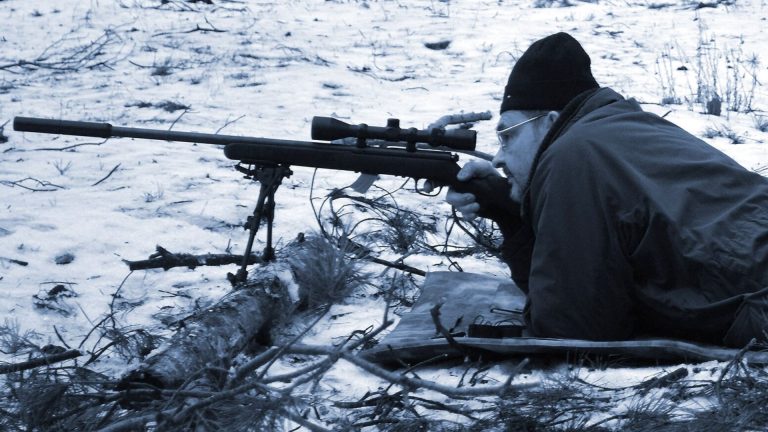
Rural Property Disputes Increasingly Turn to Firearms, Raising Safety Concerns
yAcross rural communities, disputes over land boundaries, access roads, and property rights are increasingly drawing attention for a troubling reason — more of them are involving firearms. While disagreements between neighbors aren’t new, the way some of these conflicts are escalating has raised concern among local officials and residents alike.
In rural areas, property lines can stretch across large, sometimes poorly marked land. When disagreements happen, they’re often personal and long-running. Add in the fact that firearm ownership is more common in these regions, and it creates situations where arguments can carry a higher level of risk if emotions get out of control.
Why rural disputes can escalate more easily
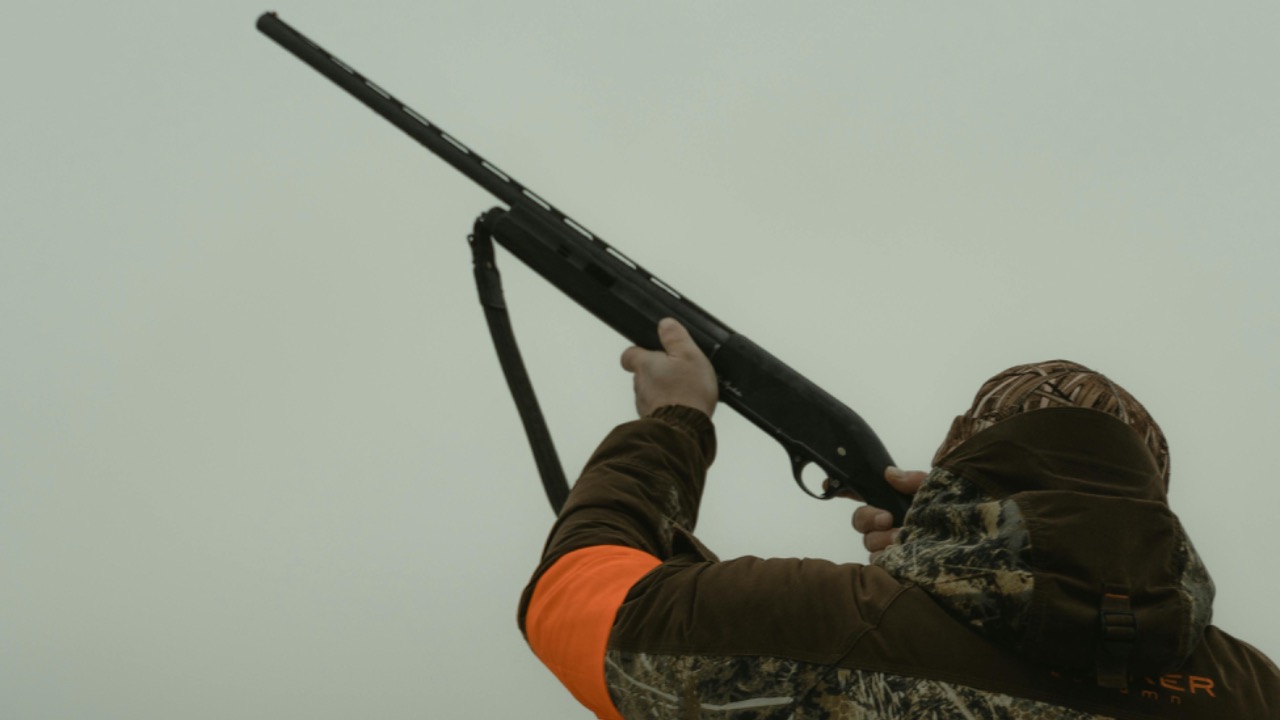
Unlike urban areas, rural communities often have fewer immediate resources for conflict resolution. Law enforcement response times can be longer, and neighbors may be miles apart with limited outside oversight. That isolation can make disputes feel more personal and less mediated.
At the same time, property in rural areas is often tied directly to income — farming, livestock, or land use. That raises the stakes. When someone believes their land, livelihood, or access is being threatened, tensions can build quickly, especially if there’s a history of disagreements between the same parties.
The role of firearm presence in these situations
Firearms are a common and often legal part of rural life, used for hunting, pest control, and property protection. But their presence can change the tone of a dispute. What might otherwise stay verbal can become more serious when a weapon is involved, even if it’s not used.
Legal discussions around firearms and property rights have also been evolving. In some cases, courts are examining how laws apply when firearms are carried onto private property or used in self-defense situations tied to land disputes. This adds another layer of complexity to already tense situations.
Legal gray areas and self-defense claims
Many rural disputes that escalate involve claims of self-defense. Property owners may argue they felt threatened or were protecting their land, while others may see the response as excessive. These cases can be difficult to sort out because they depend heavily on perception and timing.
Some legal discussions in 2026 have focused on how self-defense is evaluated and whether property owners should have clearer protections or limitations when force is involved. These debates show that the legal system is still trying to keep up with how these situations actually play out in real life.
Community concern and safety awareness
Local leaders and community groups are increasingly emphasizing de-escalation and communication before disputes reach a breaking point. In many rural areas, there’s a growing push to resolve conflicts through mediation rather than confrontation.
The concern isn’t just about individual incidents, but about patterns. As more disputes involve firearms, even indirectly, it raises the risk of serious outcomes. That’s why many communities are focusing on awareness, encouraging people to handle disagreements early and avoid letting situations escalate beyond control.
What this trend could mean going forward
If these patterns continue, rural disputes could become a bigger focus in both legal discussions and public safety planning. Lawmakers may look at clearer guidelines around property conflicts and the role of self-defense, while communities may push for stronger local conflict resolution systems.
For now, the issue highlights a simple reality: in places where land matters deeply and tools like firearms are part of everyday life, keeping disputes from escalating isn’t just important — it’s necessary for long-term safety.

Leo’s been tracking game and tuning gear since he could stand upright. He’s sharp, driven, and knows how to keep things running when conditions turn.