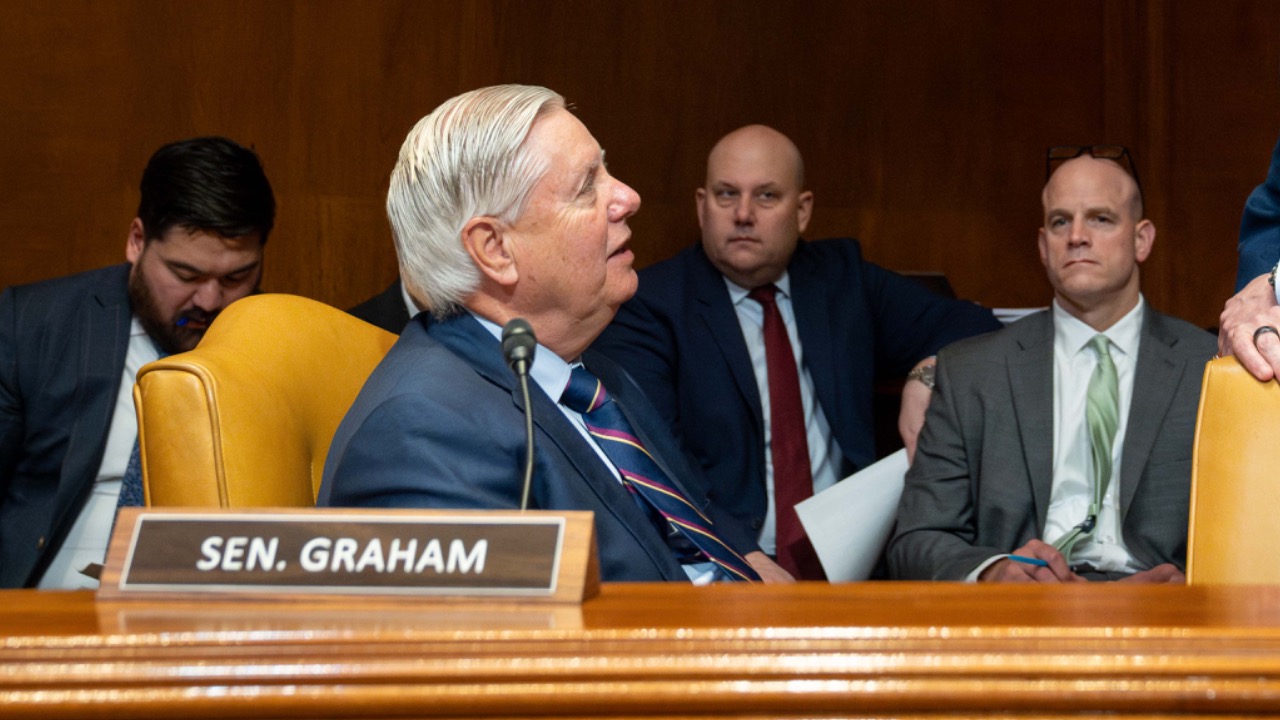
Senator Lindsey Graham calls for arming Iranians as alternative to US troops on ground
As tensions between the United States and Iran stretch into another phase, Senator Lindsey Graham has introduced a provocative idea that reframes how Washington might approach regime change without committing its own forces. You see the senator positioning this as a practical way to support internal resistance rather than relying on American troops. His comments, made during a recent appearance on Fox News, come amid ongoing disputes over shipping lanes in the Strait of Hormuz and efforts to limit Iran’s military reach. Graham, a longtime voice on foreign policy, argues for direct assistance to civilians inside the country as a path forward under the current administration.
The Statement That Caught Attention
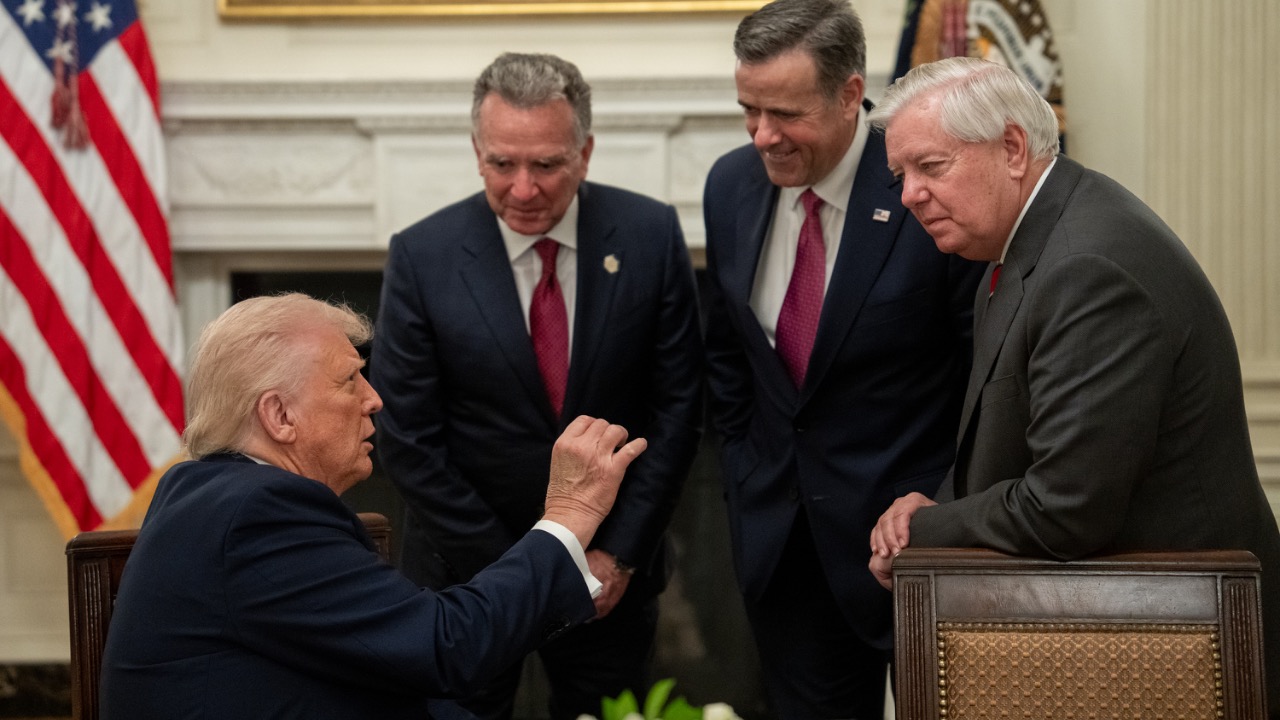
Senator Lindsey Graham suggested supplying weapons directly to people living in Iran so they could challenge the government from within. He described the approach as a way to avoid placing American service members in harm’s way during the present conflict. In his view, millions of Iranians already stand ready to act if given the tools, turning the situation into something closer to an internal uprising. This perspective emerged as discussions continue about the scope of U.S. involvement and the need to address Iran’s regional actions.
Graham made the remarks while speaking with Sean Hannity, framing the idea as a realistic alternative that builds on existing discontent. You recognize how this fits into broader conversations about ending the fighting without expanding the American footprint on the ground. The proposal highlights a belief that local actors could shift the balance if properly equipped, echoing earlier points about degrading Iran’s ability to project power.
Framing It as a Domestic Analogy
Graham drew a parallel to the right to bear arms in the United States, calling his suggestion a version of that principle applied abroad. He pointed out that civilians in Iran lack the means to organize effectively against the regime, even though widespread frustration exists. This analogy underscores his point that external support could empower ordinary people to take control of their future without outside armies stepping in.
The comparison appears designed to resonate with audiences familiar with American traditions of self-defense. You notice how it simplifies a complex foreign policy debate into terms that feel straightforward and relatable. At the same time, it raises questions about whether such language accurately captures the realities of operating inside a tightly controlled state like Iran.
The Context of Current Hostilities
Recent exchanges in the Middle East have kept the spotlight on Iran’s military infrastructure and its influence over key maritime routes. The Trump administration has signaled progress in containing threats, yet disputes persist over access to vital shipping corridors. Graham’s comments arrived against this backdrop, where the focus remains on limiting Iran’s capacity to threaten neighbors and global trade.
You can trace the timing to heightened activity involving strikes and diplomatic maneuvering. The senator positioned his idea as timely, arguing it aligns with goals of reducing Iran’s offensive capabilities while avoiding prolonged direct engagement. This reflects ongoing calculations about how best to manage the conflict’s costs and risks.
Arguments Against Direct U.S. Involvement
Graham emphasized that American ground forces should stay out of the equation, citing the presence of a large population inside Iran as a ready alternative. He stressed that equipping locals would allow them to handle the heavy lifting, preserving U.S. resources and lives. This stance echoes his long record of supporting strong measures against adversaries while preferring targeted strategies.
The argument rests on the assumption that internal momentum already exists and needs only material backing to gain traction. You see the appeal in a moment when public fatigue with extended military commitments runs high. It also sidesteps some of the logistical and political hurdles that come with deploying troops overseas.
Past Efforts to Support Iranian Opposition
Earlier attempts to funnel support to groups opposing the Iranian government have met with mixed results, including instances where supplies reportedly went astray. Graham referenced these experiences while pushing for a more direct method this time around. He suggested learning from those episodes to ensure future aid reaches the intended recipients.
You understand why revisiting past initiatives matters here. The senator’s call builds on a pattern of interest in bolstering dissidents, yet it acknowledges the practical difficulties involved. This history adds weight to the current proposal even as it invites scrutiny about feasibility.
Concerns About Arming Civilians
Distributing weapons to a civilian population inside Iran carries inherent risks, including the chance that arms could fall into the wrong hands or fuel further instability. Observers point out that the country’s security apparatus remains formidable, potentially complicating any effort to organize resistance. Questions linger about verification and control once supplies cross the border.
At the same time, the idea prompts debate over whether such a step might accelerate violence rather than hasten resolution. You weigh these factors against the stated goal of empowering people to determine their own path. The discussion reveals the trade-offs that define much of foreign policy decision-making in volatile regions.
Views from Iranian Dissidents
Some voices among Iranian exiles and opposition figures have welcomed the suggestion, seeing it as validation of their long-standing calls for external help. They argue that material support could breathe new life into efforts to challenge the regime from within. This reception highlights pockets of enthusiasm for approaches that prioritize local agency.
You recognize the significance of these perspectives in shaping how the proposal lands internationally. Dissidents often emphasize the regime’s vulnerabilities, framing armed resistance as a necessary step toward broader change. Their input adds another dimension to the conversation Graham has sparked.
Long-Term Strategic Outlook
If pursued, Graham’s idea could reshape how the United States engages with Iran in the years ahead, shifting emphasis toward indirect support rather than overt intervention. It aligns with a pattern of seeking leverage through allies and internal dynamics instead of unilateral action. Success would depend on careful execution and sustained diplomatic backing.
The proposal leaves room for reflection on America’s role in promoting political transitions abroad. You consider how it might influence relations with partners like Israel and Gulf states that share concerns about Iranian influence. In the end, the discussion underscores the enduring challenge of balancing security interests with the desire to limit direct involvement.

Asher was raised in the woods and on the water, and it shows. He’s logged more hours behind a rifle and under a heavy pack than most men twice his age.