7 Handgun Accessories Quietly Being Reclassified as Restricted
You’ve probably noticed it happening in pieces. Something you bought years ago without a second thought suddenly comes with a warning label, a shipping restriction, or won’t ship to your state at all. Nobody makes a big announcement, but the rules shift anyway.
A lot of this isn’t outright bans—it’s reclassification. Agencies reinterpret existing law, states tighten definitions, and manufacturers adjust to stay compliant. The end result is the same for you: gear that used to be easy to own gets harder to find, harder to ship, or comes with added paperwork. Here’s where those changes are showing up the most.
Pistol Braces Keep Getting Reinterpreted
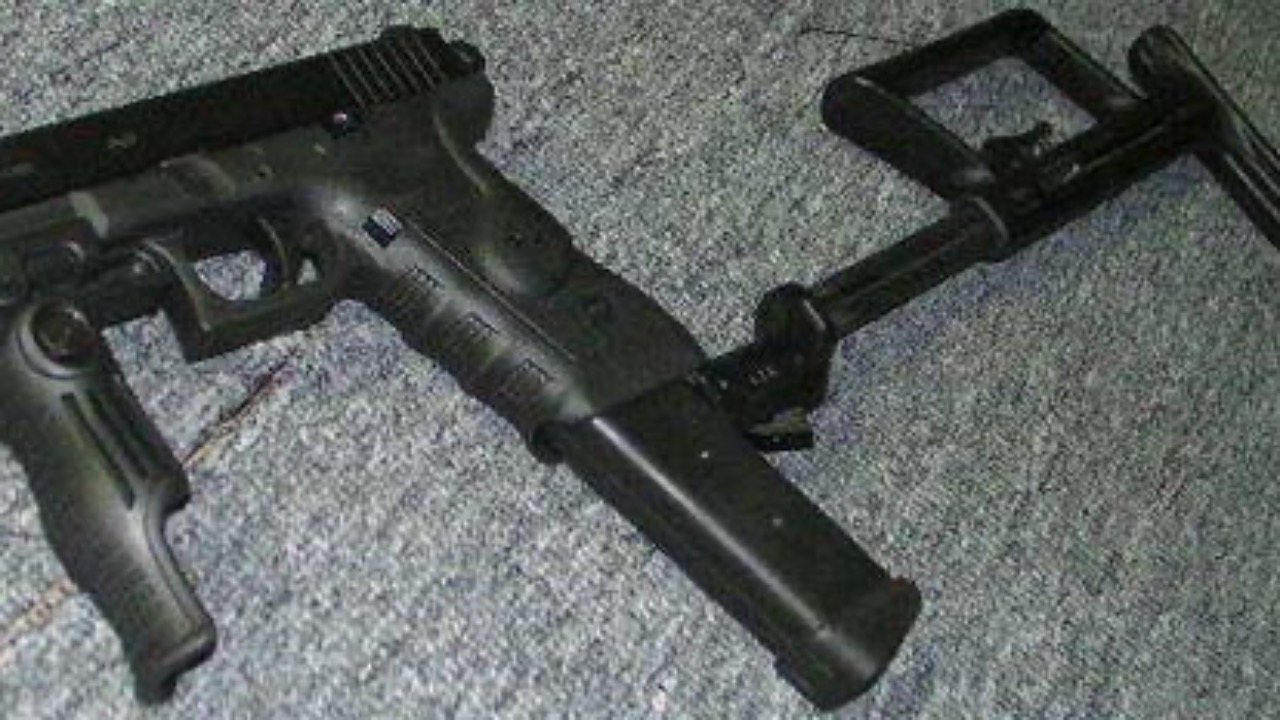
Pistol braces have been under the microscope for years, and the definition of what they are hasn’t stayed steady. What started as a mobility aid turned into something regulators began viewing closer to a stock.
Recent rule changes have pushed many brace-equipped pistols into short-barreled rifle territory under federal interpretation. That brings registration requirements and legal risk if you’re not squared away. Even where enforcement shifts or gets challenged in court, manufacturers and retailers tend to play it safe. You’ll see fewer options available, and a lot more hesitation around shipping them.
Forced Reset and Binary Triggers Are Under Scrutiny
Triggers that alter how quickly a firearm can be fired have drawn increasing attention. Forced reset triggers in particular have been targeted by federal agencies, with seizures and legal disputes following.
Binary triggers, which fire on pull and release, exist in a gray area depending on how laws are written and interpreted. Some states have moved to restrict them outright, while others leave room for interpretation. The issue for you is consistency—what’s legal in one place can raise eyebrows in another. That uncertainty alone has made retailers more cautious about carrying or shipping them.
Threaded Barrels Face State-Level Restrictions
Threaded barrels aren’t controversial everywhere, but in certain states they’ve been pulled into broader “features” bans tied to semi-automatic firearms. That means a handgun with a threaded muzzle can fall into a restricted category.
It’s not a federal issue across the board—it’s a patchwork. States like California and New York have taken a harder stance, while others don’t regulate them the same way. For you, it creates a situation where a common upgrade becomes location-dependent. Order it online without checking your local laws, and you could run into trouble before it even arrives.
Suppressors Remain Tightly Controlled—and Increasingly Debated
Suppressors are nothing new when it comes to regulation. They’ve been controlled under the National Firearms Act for decades, requiring a tax stamp, background check, and a long wait.
What’s changed is the attention they’re getting at the state level and in public debate. Some states have opened the door to ownership, while others maintain strict prohibitions. There’s also ongoing political pressure in both directions. For you, that means the rules aren’t likely to stay static. Even where legal, the process remains slow and heavily regulated.
High-Capacity Magazines Are Being Redefined
Magazine capacity limits have been around for a while, but definitions keep shifting. Some states cap capacity at 10 rounds, others at 15, and enforcement varies.
What’s new is how aggressively those limits are being applied and enforced. Possession, sale, and even transport can carry different rules depending on where you are. Manufacturers have responded by producing compliant versions, but that doesn’t always help if you travel across state lines. A magazine you’ve owned for years can suddenly fall into a restricted category without you changing anything.
Conversion Kits and Micro Conversion Devices Raise Flags
Conversion kits that allow a handgun to be used in a different configuration—like chassis systems—have started drawing more attention. On their own, many are legal, but paired with certain components they can cross into regulated territory.
Regulators tend to look at the end configuration, not the individual parts. That’s where people get caught off guard. You might buy a kit thinking it’s harmless, but once assembled, it could meet the definition of something more restricted. That gray area has led some companies to limit sales or include stricter disclaimers.
Stabilizing Accessories and Foregrips Fall Into Gray Areas
Even smaller accessories like angled foregrips or stabilizing attachments can create legal questions depending on how they’re used. A vertical foregrip on a handgun, for example, can change how it’s classified under federal law.
These aren’t items most people think twice about, which is why they trip people up. The rules hinge on configuration, not intent. Add the wrong component in the wrong way, and you’ve changed the legal status of the firearm. That’s led to more caution across the board, with manufacturers and sellers tightening up what they offer and how they describe it.
You’re not looking at one sweeping change—you’re watching a steady tightening. Definitions shift, enforcement evolves, and the responsibility lands on you to keep up.
If there’s a takeaway, it’s this: what was fine five years ago isn’t guaranteed today. Staying legal now means paying attention to the details, especially the ones that don’t make headlines.

Asher was raised in the woods and on the water, and it shows. He’s logged more hours behind a rifle and under a heavy pack than most men twice his age.