
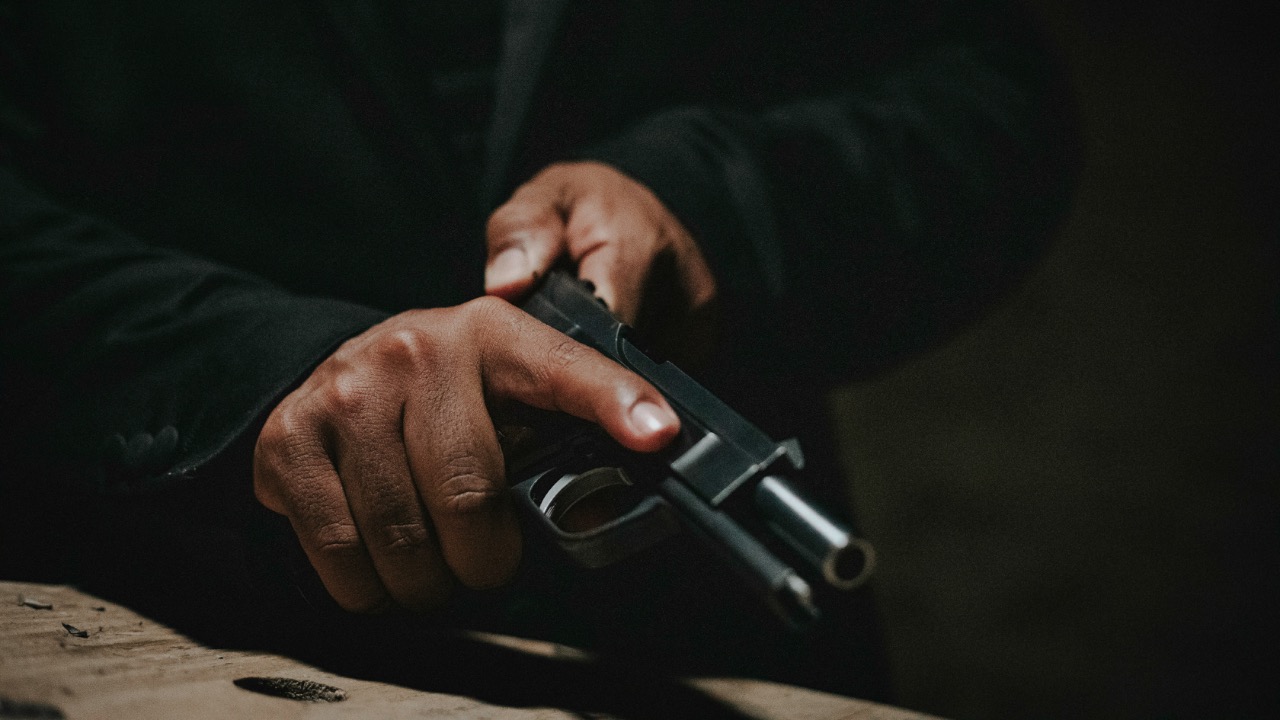
Seven Handgun Accessories Facing New “Restricted” Classifications
Across the country, regulators are quietly redrawing the line between ordinary handgun gear and parts treated more like complete firearms. Owners who once viewed accessories as off-the-shelf upgrades now face registration duties, shipping limits, or outright bans when those same parts are reclassified as restricted features. The shift is most visible in new state rules and federal criteria that single out seven common add-ons that can turn a legal pistol into a tightly controlled weapon in the eyes of the law.
From stabilizing braces to threaded barrels, a clear pattern is emerging: lawmakers are less focused on model names and more on how specific components affect concealability, control, or rate of fire. For handgun owners, the risk no longer lies only in buying a prohibited firearm, but also in how an otherwise legal pistol is configured once these accessories are installed.
1. Stabilizing braces under federal “rifle” criteria
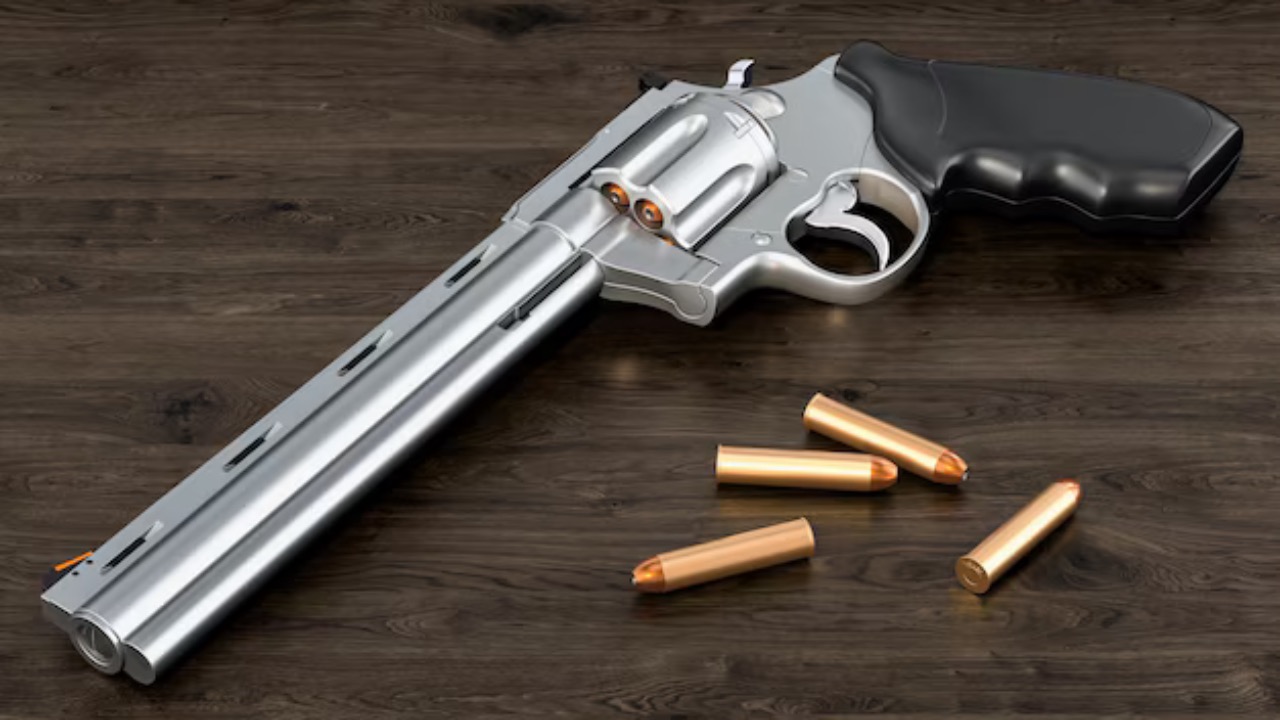
Stabilizing braces sit at the center of the most sweeping federal reclassification effort involving handguns. Regulators now treat many braced pistols as short barreled rifles if the overall design, weight, sights, and other factors show the firearm is intended to be shouldered rather than strapped to the forearm. Under the factoring criteria, the definition of a rifle under the Gun Control Act of 1968 and the National Firearms Act of 1934 now captures many combinations of a handgun receiver, short barrel, and brace that were previously marketed as pistols.
The rule ties stabilizing braces to the same registration, taxation, and transfer rules that apply to traditional short barreled rifles if a brace-equipped handgun meets the test for being designed and intended to be fired from the shoulder. Guidance that explains what are stabilizing stresses that these devices attach to the rear of a firearm and are secured against the forearm, yet the new approach looks at how they are actually used. For handgun owners, the practical effect is that a brace can move a firearm into a restricted category even if the underlying pistol remains unchanged.
2. Pistol grips, second handgrips, and handgun shrouds in California
California is pushing the concept of restricted accessories further by treating certain ergonomic parts as defining features of an assault weapon. Analysis of Assembly Bill 1263 explains that the law targets common AR-15 components such as pistol grips, thumbhole stocks, foregrips, second handgrips, and handgun shrouds when they appear on otherwise legal firearms. A detailed guide to California’s new laws notes that these features, once treated as simple add-ons, now help determine whether a weapon falls into a prohibited configuration.
Retailer guidance on assault weapon features under Penal Code section 30515 lists pistol grips and foregrips alongside folding, telescoping, or thumbhole stocks as restricted characteristics. Although that blog focuses heavily on rifles, the same statutory language sweeps in second handgrips and handgun shrouds when attached to pistols that accept detachable magazines. In practice, adding a vertical foregrip or full-length shroud to a handgun can be enough to trigger assault weapon treatment, even when the base pistol itself is not banned by name.
3. Barrels, slides, and core parts treated like complete firearms
The same state law that targets ergonomic accessories also tightens control over core handgun components. An overview of California AB 1263 explains that the legislation’s broad wording pulls a wide range of parts into a regulated category, including barrels, slides, and similar components that are essential to a firearm’s operation. The analysis of parts likely affected notes that shipping these items into the state now involves many of the same checks and restrictions that once applied only to complete guns.
That approach builds on an earlier California statute, SB-1327, which defines a “series” of firearms to include all models that are only variations with minor differences and then spells out that the term handgun includes a slide that encloses the barrel. The official bill text for states that “series” includes all other models that are only variations, with minor differences, of those models, and it specifies that a handgun includes the slide that encloses the barrel. By tying legal definitions directly to components like slides and barrels, California is effectively elevating those parts into a semi-finished firearm category that can bring owners and sellers under assault weapon or private-right-of-action provisions even when no complete pistol changes hands.
4. Threaded barrels and muzzle devices as assault weapon features
Threaded barrels and the muzzle devices they accept are also moving into a restricted tier, especially where state assault weapon laws focus on features rather than model lists. Guidance directed at California retailers highlights rate of fire modifying items and notes that barrels and similar components are swept into AB 1263’s controls, which in practice affects threaded handgun barrels sold for compensators or suppressor mounts. When those barrels are combined with other listed features such as pistol grips or folding stocks, they can push a firearm into an assault weapon definition under the same Penal Code section that governs rifles.
Illinois takes a similar feature-based approach, and that structure reaches handguns equipped with certain barrel and muzzle configurations. A detailed explanation of what to know notes that much of the confusion comes from the way the law restricts features that can classify an otherwise legal firearm as an assault weapon. That reporting points out that a gun can still fall under the ban even if it is not named, if it has a combination of characteristics drawn from the Illinois State Police Assault Weapon Identification Guide. Owners who install threaded barrels and muzzle devices on pistols, particularly in conjunction with high capacity magazines or stabilizing braces, may find that their configuration now fits a prohibited profile in that guide.
5. High capacity magazines, shrouds, and feature stacking in state bans
Beyond individual parts, several state laws treat combinations of handgun accessories as the trigger for restricted status. The same Illinois analysis explains that the ban relies on a list of characteristics that, taken together, can convert a firearm into an assault weapon even if the model is not singled out by name. That list is based on the Illinois State Police, which references features such as detachable magazines, barrel shrouds, and other add-ons that improve control during rapid fire. When a handgun with a detachable magazine is paired with a barrel shroud and a stabilizing brace or vertical foregrip, it can move from ordinary pistol to restricted weapon under the statute’s feature test.
California’s approach uses similar stacking logic, and commentary on AB 1263 makes clear that pistol grips, foregrips, second handgrips, and handgun shrouds are treated as assault weapon features when combined with detachable magazines and other listed traits. The focus on how accessories interact, rather than on any single part, is also reflected in social media discussions that share breakdowns of California’s new laws and explain which AR and handgun setups will require modification or registration. For handgun owners, the message is that no accessory can be viewed in isolation: a high capacity magazine may be legal on its own, but once it is combined with a shroud, brace, or second handgrip, the entire package may be treated as a restricted assault weapon.

Leo’s been tracking game and tuning gear since he could stand upright. He’s sharp, driven, and knows how to keep things running when conditions turn.


