Seven million US children live in homes with loaded and unlocked guns, major study reveals
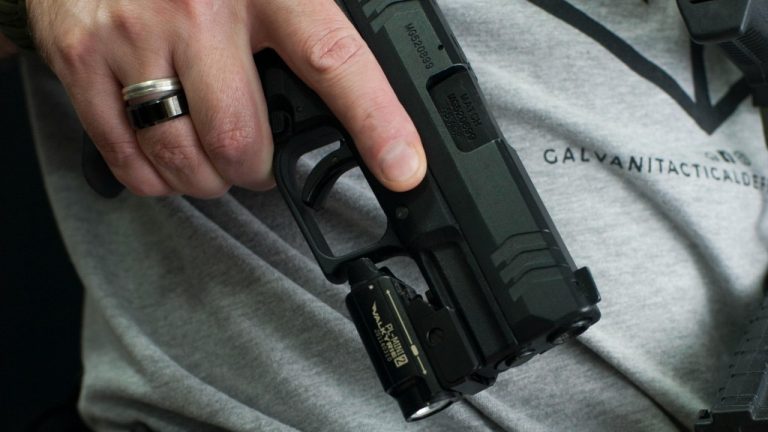
A major new study has brought fresh attention to how families handle firearms at home. Around 32 million children in the United States live in households with guns. Of those, nearly seven million have at least one firearm that sits loaded and unlocked, according to research published this week in JAMA Network Open. You might picture locked cabinets or empty chambers as the norm, yet the numbers show otherwise. The findings come from a survey of nearly 900 gun-owning parents and highlight a gap between what people intend and what actually happens in daily life.
Putting the figures in perspective
The 21 percent of gun-owning households with children that keep at least one weapon loaded and unlocked adds up quickly across the country. That share translates directly into those seven million kids facing ready access to a firearm. Earlier surveys from years past put the figure lower, closer to 4.6 million, so the latest data marks a noticeable rise.
Parents who responded described their storage habits in detail. Many keep other guns secured, but one accessible weapon changes the equation for everyone under the same roof. The pattern holds steady no matter the region or background of the family.
How age plays a role in storage choices
Parents of younger children under 13 tend to store firearms unloaded and locked more often than those with teenagers. The shift happens as kids grow older and parents perhaps assume greater maturity in the house. Yet the data shows the opposite trend takes hold, with more loaded guns left within reach for older children.
This pattern appears across the responses collected in the study. Teenagers face different pressures at school and with friends, but the storage decisions do not always reflect that change. Families adjust their routines in small ways that add up over time.
The connection to teen suicides
Firearms have ranked as the leading cause of death for children and teenagers since 2020, and suicides make up a large share of those losses. When a young person dies by suicide with a gun, it almost always comes from inside the home, usually one owned by a parent. Access matters because locked and unloaded storage cuts the risk of firearm suicide by a factor of three.
Experts who reviewed the new numbers point out that the teenage years bring higher suicide rates overall. Leaving guns loaded and unlocked during this period runs counter to what the evidence suggests would help protect them. The study underscores how storage decisions reach far beyond simple convenience.
Everyday dangers from accessible guns
Unintentional injuries rise when children or teens can reach a loaded firearm without effort. Curious hands or sudden arguments can turn an ordinary afternoon into something far worse. The survey data captures how often these setups exist even in homes where parents believe they have everything under control.
Broader risks extend to situations like unauthorized access by outsiders or family members in distress. The research does not speculate on every outcome, but it makes clear that unlocked and loaded guns create opportunities for harm that secure storage would close off. Parents weigh many factors each day, and this one sits quietly in the background.
What the parent surveys show
Only about 35 percent of the gun-owning parents in the study reported the safest approach of keeping every firearm unloaded and locked away. The rest fell into mixed categories, with the 21 percent least-safe group standing out for its size. Responses came from households across the country, giving a wide view of real-world practices.
The team behind the research, including contributors like Dr. Chethan Sathya and Dr. Matthew Miller, built on earlier national firearms surveys. Their work updates the picture without relying on guesswork. You see the same households year after year making choices that shape the environment for their children.
Paths toward safer practices
Doctors now often ask about guns during routine visits and offer brief guidance on storage. In one health system, those short conversations led a meaningful share of families to adopt better habits. The approach stays low-key and focuses on facts rather than judgment.
New options like biometric safes and quick-access holsters have appeared in recent years, giving parents more tools to match their routines. The study suggests these small steps, repeated across millions of homes, could shift the overall numbers. Change starts with awareness of what the data actually reveals about daily life.

Asher was raised in the woods and on the water, and it shows. He’s logged more hours behind a rifle and under a heavy pack than most men twice his age.