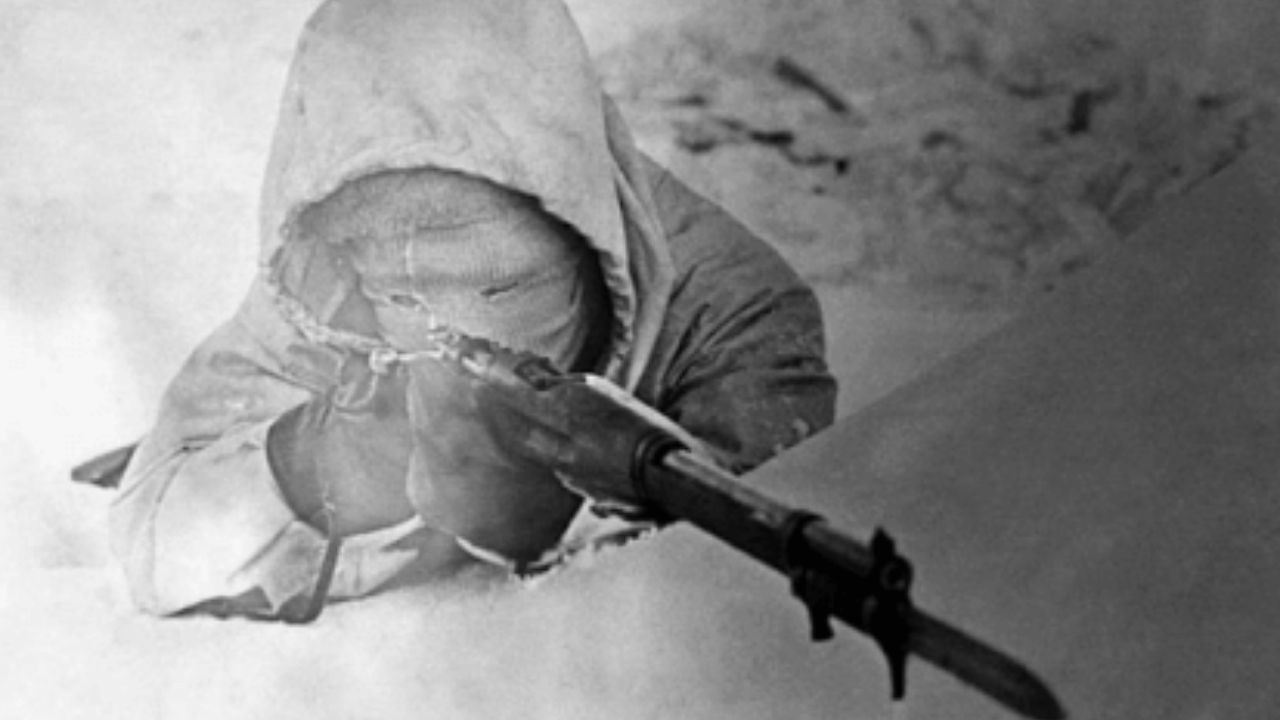
Shot in the face and left for dead, legendary sniper Simo Häyhä survived after 14 months in the hospital
Simo Häyhä entered the Winter War as a quiet farmer and hunter and left it as one of the most feared snipers in military history. Shot in the face by an explosive round and mistakenly piled with corpses, he survived, spent 14 months in the hospital, and lived long enough to see his legend grow. His story is not only about record-setting marksmanship but also about endurance, adaptation, and the physical and moral cost of becoming a symbol of war.
From the frozen forests where he packed snow around his rifle to muffle the sound to the hospital wards where surgeons rebuilt his jaw, Häyhä’s path shows how a single soldier can shape a conflict and then struggle to reclaim an ordinary life. The arc from near certain death to long recovery and quiet old age remains one of the most striking personal journeys to emerge from the Winter War.
From farmer and hunter to “White Death”

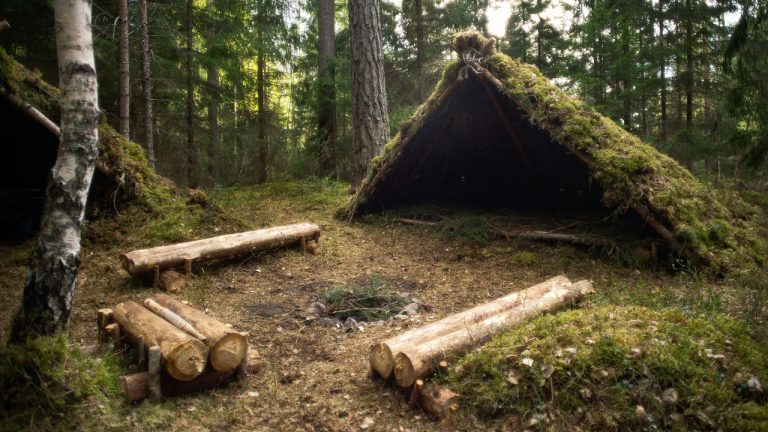
Long before he became a sniper, Simo Häyhä grew up as a rural farmer and hunter, skills that later defined his battlefield style. As a civilian he spent winters on skis and days tracking game, experience that sources describe as the foundation for his later role as a sniper during the Winter War. That conflict, fought in deep snow and subzero temperatures, rewarded patience, fieldcraft, and the ability to move silently through forests, all skills he already possessed.
When the Soviet Union invaded Finland, Häyhä was mobilized and assigned as a sniper, and his combination of marksmanship and field skills quickly set him apart. Biographical summaries describe him as a Finnish sniper who killed over 500 Soviet Soldiers, a figure that has made him a benchmark for lethal effectiveness in military history. A general reference profile of Simo Häyhä reinforces that reputation, presenting him as one of the deadliest snipers ever recorded.
Cold-blooded technique in subzero forests
Häyhä’s success did not rest solely on a steady trigger finger. Accounts of his fieldcraft describe how he used the environment to his advantage, from choosing concealed firing positions to controlling the signature of each shot. One widely cited detail is that he sometimes packed snow around his rifle to muffle the sound and reduce the telltale puff that might reveal his position, a tactic highlighted in a profile that recalls how Sometimes he even around the weapon. That same account notes that what set Häyhä apart was not only marksmanship but also his discipline and ability to operate alone for long stretches.
Other narratives stress how he used simple, reliable equipment rather than specialized optics, relying on iron sights that were less likely to fog or glint in the low winter sun. Descriptions of his battlefield experiences portray him as a nightmare for Soviet troops, who faced an invisible adversary that could strike from long range and then vanish into the trees. In some retellings of his story, the combination of white camouflage, cold weather skills, and relentless effectiveness earned him the nickname that would follow him for the rest of his life.
Targeted by the Soviets and struck in the face
Häyhä’s impact on the battlefield drew intense attention from the Red Army. Reports describe how the Soviets feared him so much that they organized counter sniper operations and artillery barrages specifically to eliminate him, a level of focus rarely directed at a single enlisted soldier. One detailed account notes that The Soviets mounted numerous attempts to hunt him down, which all failed until the final days of the Winter War.
On March 6, 1940, that pressure finally told. A description of the battle recounts how, on that day, an explosive bullet struck Häyhä in the face and ripped away much of his left jaw, a catastrophic injury that left him unrecognizable. Another narrative of the same moment explains that he was initially believed to be dead and was placed on a pile of bodies after the fighting, only for a fellow soldier to notice signs of life. The account of his wounding in a later feature on the Finnish sniper who killed over 500 Soviet Soldiers notes that he was Wounded in Combat so severely that doctors could not guarantee his survival.
Fourteen months of surgery, pain and slow recovery
The injury that destroyed much of Häyhä’s face began a second ordeal that lasted far longer than any single engagement. Medical accounts in biographical features state that he slipped into a coma after the explosive round struck him and that he remained unconscious for several days. One detailed retelling describes how he regained consciousness about a week later, at which point surgeons began the long process of reconstructing his shattered jaw and face. A feature on his life explains that Simo was grievously wounded and that his recovery stretched well beyond the end of the Winter War.
Across these sources, one figure appears again and again. Häyhä spent 14 months in the hospital recovering from his wounds, undergoing repeated surgeries and living with constant pain that would follow him for years. The long convalescence is emphasized in a feature that notes how he spent 14 months in and eventually regained his health, while another profile of the Finnish sniper who killed over 500 Soviet Soldiers confirms that he remained under medical care for that same period. A separate retelling of his story on social media also recalls that, after a grueling 14 months, he finally left the hospital and began to rebuild a life beyond the front.
Legacy of the deadliest sniper and the man behind the myth
Häyhä’s survival and recovery transformed him from a wartime asset into a national symbol. Military histories describe him as one of the deadliest snipers ever seen in Finland’s history, a reputation built on hundreds of confirmed kills and the fear he inspired among enemy troops. One narrative of his postwar recognition notes that he received honors usually reserved for commissioned officers, including a custom honorary rifle and public acknowledgment of his role in the defense of his country. A popular history account recalls how he packed snow to conceal his position and later received custom honorary rifle as part of that recognition.
At the same time, some accounts suggest a more complicated inner life behind the legend. A widely shared summary of facts about Simo notes that he was a farmer, hunter and skier turned sniper who is believed to have killed over 500Russian soldiers during the Winter War, and that he later reflected on the burden of taking so many lives. Another overview of his life, reached through a citation trail that begins with a social media commemoration, presents Simo as Probably most effective sniper of his era, but also as a man who returned to rural life after the war. Together, these sources paint a picture of a soldier who endured catastrophic injury, survived 14 months of hospital treatment, and then spent decades living quietly with the memories that made him famous.

Leo’s been tracking game and tuning gear since he could stand upright. He’s sharp, driven, and knows how to keep things running when conditions turn.