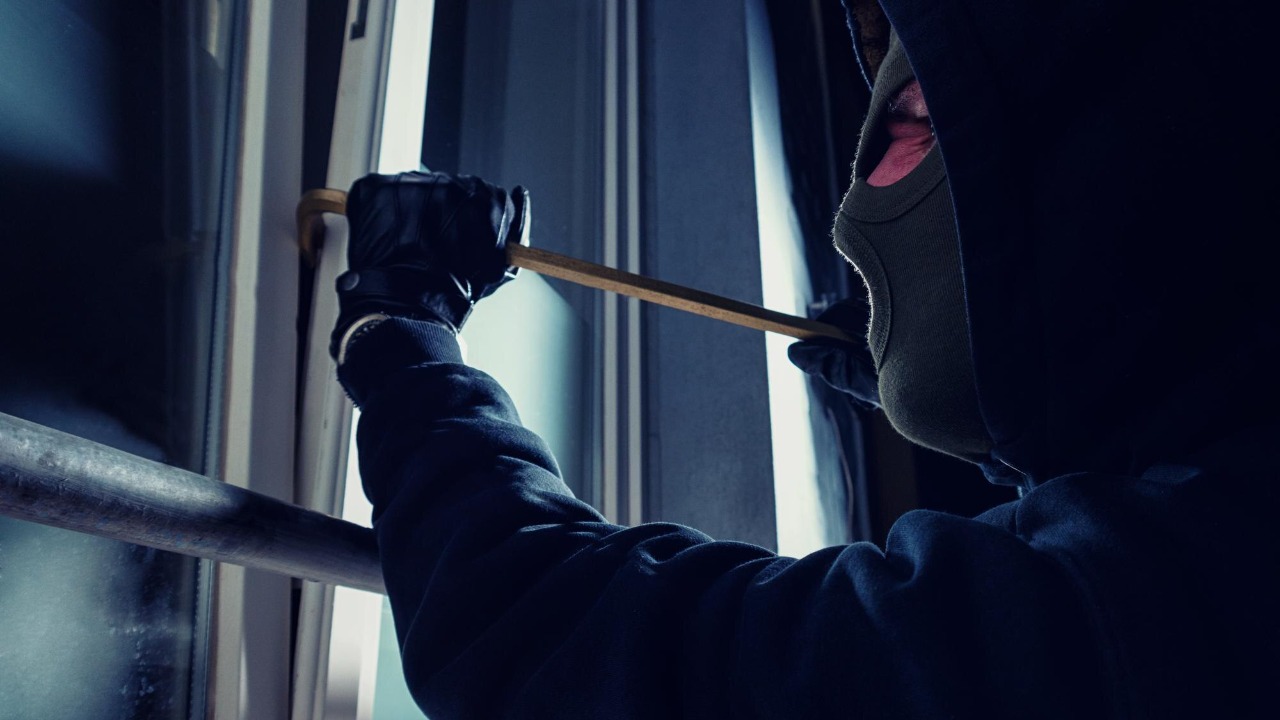
Homeowner says he was forced to draw a gun during a burglary attempt
When a man in Studio City heard intruders trying to force their way into his home, he says he felt he had no choice but to reach for his gun. His account, echoed in a string of recent cases from California to New York and Florida, captures a fraught moment in American life, where ordinary homeowners are suddenly thrust into split‑second decisions about lethal force. I set out to trace what happened in this latest confrontation and how it fits into a broader pattern of armed self‑defense, legal uncertainty, and emotional fallout.
Across the country, reports describe people waking to the sound of breaking glass, opening a security app, or stepping into a dark hallway and finding strangers inside. Some fire. Others simply show a weapon and watch the intruders bolt. In each case, the homeowner later insists he or she “had to do it,” while police, prosecutors, and neighbors sift through the same core question: when does drawing a gun in your own home feel like the only option, and what happens after the smoke clears?
The Studio City confrontation that sparked fresh debate
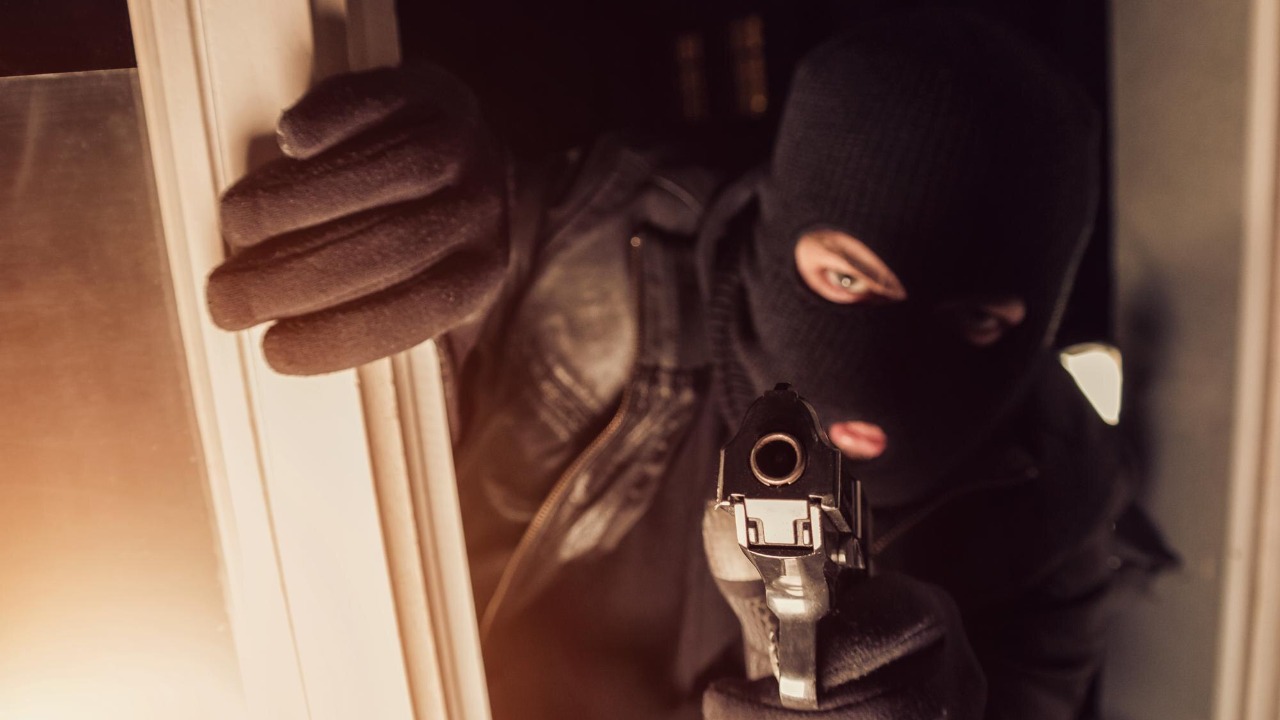
In the quiet early hours of a Tuesday morning in Studio City, a homeowner told officers he grabbed his firearm after hearing what sounded like people breaking into his house. According to social media posts tied to an attempted burglary, he confronted multiple suspects and opened fire inside or near the home. Investigators later said a 16‑year‑old was hit, while at least one other person fled into the neighborhood. The homeowner, who was not publicly identified, told police he feared for his life and believed the intruders might be armed.
Video from the scene shows officers working under floodlights, with evidence markers dotting the property as they tried to pinpoint exactly where the shots were fired and how the suspects moved. A separate clip of the same incident, shared by local television, shows officers still on while a reporter zooms in on one of those markers and notes that it is not yet clear where the bullet struck the teen. For neighbors, the sight of a crime scene in a residential pocket of Studio City was jarring, but for the homeowner, the more immediate reality was that a teenager lay wounded because he had pulled the trigger.
How the homeowner describes the moment he drew his gun
Accounts from the Studio City case suggest the homeowner did not go looking for trouble, but instead reacted to the sound of people trying to get inside. In his telling to police, he was in his own home when he realized strangers were attempting to force entry, and he retrieved his gun before moving to confront them. A social media post summarizing the incident notes that armed homeowner fought after the attempted break‑in, and that he fired multiple rounds in the direction of the suspects. He later told investigators he was relieved he did not hit more people, a detail that hints at how quickly the situation escalated beyond his control.
That sense of being forced into a defensive posture is a common thread in similar cases. In one Mississippi incident, a homeowner pulls gun on armed intruders and, according to police there, manages to send them running without firing a shot. In Florida, a man described in a self‑defense roundup as worried for the safety of his sleeping wife and three children also grabbed his firearm before investigating noises in his home. In each story, the person with the gun insists the decision was reactive, not premeditated, and rooted in a belief that waiting for help was not an option.
Police response and what investigators are looking for
Once the shots were fired in Studio City, the homeowner’s next move was to call for help and wait for officers to arrive. In a separate California case, police described how a resident who fired at an intruder “immediately left the home to call 911,” and then waited outside while Officers cleared the residence. The Studio City homeowner followed a similar pattern, staying on scene and cooperating with detectives as they pieced together what happened. For investigators, the first priority is always to secure the area, get medical aid to anyone injured, and make sure there are no additional suspects hiding nearby.
After that, the focus shifts to evidence and intent. Video from a local broadcast shows KTTV cameras capturing detectives in Studio City on a Tue morning, working under the glare of lights as they documented bullet holes and shell casings. Another clip, timestamped at 8:31 a.m. PST, notes that some Videos from the scene could not play because of a network issue, with on‑screen text urging viewers, “Please check your Internet connection.” Behind those technical glitches is a methodical process: mapping trajectories, interviewing witnesses, and deciding whether the homeowner’s claim of self‑defense aligns with the physical evidence.
Other homeowners who say they “had to do it”
The Studio City case is not an outlier. Across the country, homeowners have described eerily similar moments when they say they were forced to draw a gun during a burglary attempt. In one account collected by a firearms training site, a man told a writer that he “had to do it” after a stranger tried to break into his house, a story later shared under the banner “Homeowner ‘Had to After Man Attempts to Break Into His Home.” Another roundup of defensive gun uses highlights a section labeled Travel, followed by “3 Tips for Flying,” and a note that the “Eddie Eagle Program in Michigan Cl,” underscoring how self‑defense stories are often packaged alongside broader gun culture content.
In Florida, a couple identified as Norma and Eduardo returned to their home in Miami, Fla, to find two burglars ransacking the place, according to a feature in The Armed Citizen. One of them retrieved a firearm, confronted the suspects, and held them at gunpoint until police arrived. Another entry in the same series, labeled The Armed Citizen and dated Jan 23, describes a father who, Armed Citizen Today, was Worried for the safety of his sleeping family when he heard a noise and went to investigate with his gun. These narratives, like the Studio City homeowner’s account, frame the decision to draw a weapon as a last resort rather than a first impulse.
When a gunshot is fired versus when it is only shown
Not every defensive gun use ends with someone wounded. In New York City, a man in Queens confronted a wannabe car burglar and his accomplices during a home invasion early on a Tuesday morning. The homeowner, identified as Moshe Borukh, grabbed his gun and confronted the suspects, who immediately fled, according to a report that also described the encounter as one of the “scariest moments” of his life. A related piece on the same incident notes that a homeowner spooked off the would‑be thieves with his gun, underscoring how the mere presence of a firearm can change the trajectory of a crime.
A separate account from New York describes how a homeowner in the city scared off a group of intruders during a home invasion, with the story noting it was Published Jan. 21 at 10:45 p.m. ET. That report, like the Queens case, emphasizes that no shots were fired even though the homeowner was armed. In contrast, the Studio City homeowner and the resident in Redlands who “fired at least one shot” illustrate the other path, where a perceived threat crosses a line and the trigger is pulled. The difference between showing a gun and firing it can be the difference between a shaken suspect and a wounded teenager, and it is a distinction prosecutors and juries scrutinize closely.
Women, cameras, and the changing face of armed self‑defense
Another shift in these stories is who is holding the gun. A feature aimed at female gun owners opens with a blunt warning to would‑be intruders: “You’re on camera and you are about to be confronted by an armed woman.” The piece, written by NRA Women Staff, recounts how a female homeowner used surveillance footage and a firearm to confront a suspect. The same outlet, in another entry, again addresses You directly, underscoring how women are increasingly framed not just as potential victims but as active defenders of their homes.
These stories also highlight the role of technology. Doorbell cameras and interior security systems capture intruders in real time, giving homeowners a chance to assess threats before stepping into harm’s way. In the women‑focused feature, the armed resident watches the suspect on video before confronting him, a sequence that would have been impossible a decade ago. That same blend of cameras and firearms appears in other self‑defense narratives, including the Mississippi case where a Homeowner was able to see armed intruders before they reached his bedroom. For the Studio City homeowner, there is no public indication yet of whether cameras captured the break‑in, but the broader trend is clear: more Americans are watching their own emergencies unfold on their phones before they ever dial for help.
Legal lines: castle doctrine, self‑defense, and teen suspects
Legally, the Studio City shooting sits at the intersection of long‑standing self‑defense principles and modern anxieties about crime. Many states recognize some version of a “castle doctrine,” which gives residents broad leeway to use force, including deadly force, against intruders in their homes. In the Redlands case, police emphasized that the homeowner fired at at an armed intruder, then retreated and waited for law enforcement, a sequence that tends to support a self‑defense claim. In Florida, the account of Jan 26 in The Armed Citizen notes that the couple held burglars at gunpoint until officers arrived, a scenario that also tends to fall within accepted defensive boundaries.
The Studio City case is complicated by the age of the suspect. Reports indicate the person shot was 16, a detail that can shift public perception even if the law treats an armed or aggressive teenager similarly to an adult intruder. A video report on the incident, accessible through a YouTube link, shows a reporter noting that it is “unclear exactly where the shooting happened,” a reminder that key facts are still being established. Until investigators determine whether the teen was armed, how far inside the property he was, and whether he was fleeing when shot, any legal assessment remains provisional. For now, what is clear is that a homeowner’s split‑second decision has left a young suspect facing not just criminal charges but a serious injury.
Emotional aftermath for homeowners and communities
Even when prosecutors decide not to file charges, the emotional toll on homeowners who use guns in self‑defense can be profound. In the Queens case, Moshe Borukh described the encounter as one of the scariest experiences he had ever had, even though he did not fire his weapon. In Mississippi, the Dismiss Closings Alerts on a local station’s website sits above a story about a homeowner who pulled a gun on intruders and forced them to flee, a small but telling reminder that for newsrooms, these incidents are now part of the daily rhythm of crime coverage. For the Studio City homeowner, the knowledge that his bullets struck a 16‑year‑old will likely linger long after the police tape is gone.
Communities feel the impact too. In Studio City, neighbors woke up to blocked streets and a heavy police presence, with some learning from television that a teen burglary suspect had been shot in a home break‑in. A separate video link to the same incident, hosted on YouTube, shows a reporter panning across the quiet residential block as she explains that officers are still trying to determine where the confrontation began. In Redlands, residents watched as Officers cleared a house after a late‑night shooting, a scene that can shake a neighborhood’s sense of safety even when the intruder, not the homeowner, is the one who ends up in custody or the hospital.

Leo’s been tracking game and tuning gear since he could stand upright. He’s sharp, driven, and knows how to keep things running when conditions turn.