Sixteen discontinued firearms collectors regret passing up
Collectors talk about missed guns the way car enthusiasts talk about the one that got away, with a mix of nostalgia and hard financial reality. Discontinued firearms sit at the center of that regret, because once production stops, prices and availability tend to move in only one direction. Sixteen of those out‑of‑production models now haunt gun safes and auction catalogs, shaping how serious buyers think about value, timing, and the fine line between a passing fad and a future classic.
When I look at the patterns behind those sixteen regrets, I see the same themes repeat: short production runs, distinctive engineering, and a market that only realized what it had after the factory lines went quiet. That combination has turned certain rifles, pistols, and shotguns into benchmarks for what collectors now chase, and what they vow not to overlook again.
The anatomy of a regret: why discontinued guns spike in value
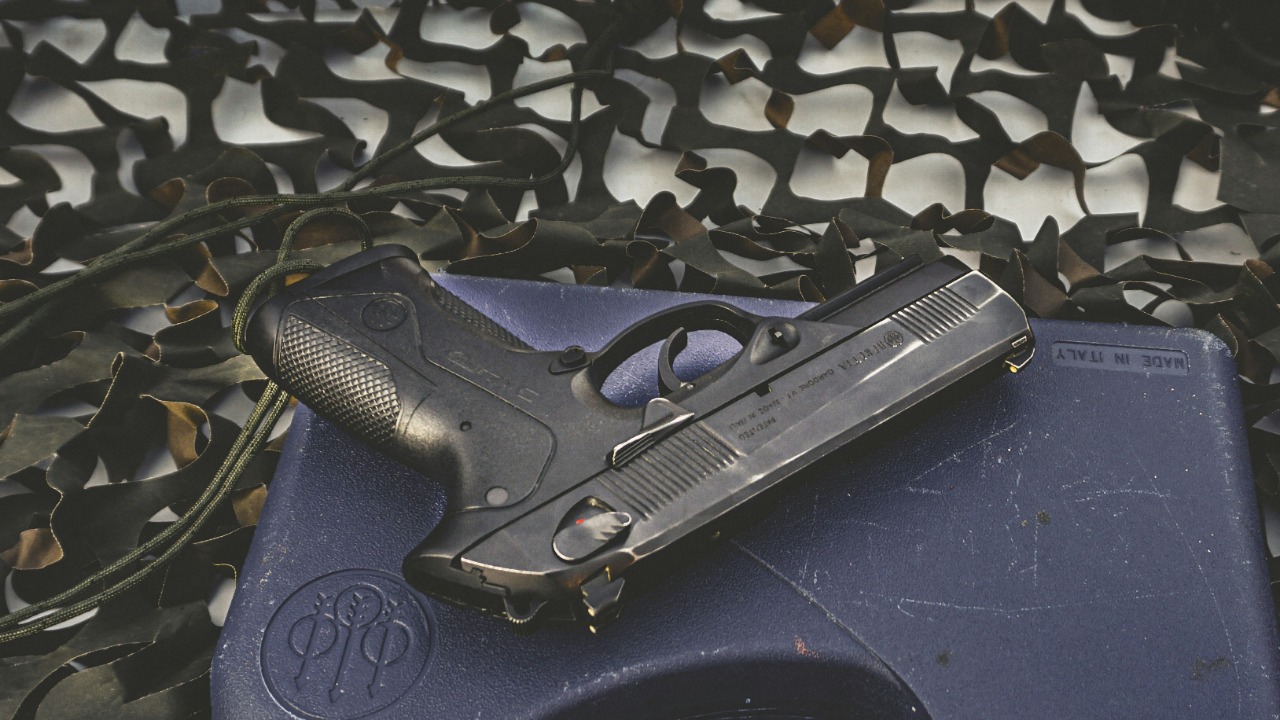
The first thing that jumps out when I trace these sixteen stories is how often a discontinued firearm was treated as ordinary while it was still on shelves. Many of the models that collectors now chase were mid‑priced working guns, not limited editions, and they disappeared quietly when companies shifted strategies or trimmed slow sellers. Once production ended, scarcity collided with hindsight, and those same guns began to look like bargains that had been hiding in plain sight, a pattern highlighted in the list of 16 discontinued models that owners now wish they had bought.
That shift from “common” to “coveted” is not just emotional, it is financial. Auction specialists point out that guns with finite supply and strong stories tend to hold or increase their value, especially when they combine mechanical quality with brand recognition. Guidance on which guns preserve prices best consistently emphasizes discontinued lines from respected makers, because once the last factory batch is out, every new buyer has to convince an existing owner to part with theirs.
Rifles that vanished too soon
Rifles dominate many regret lists, in part because they often serve double duty as hunting tools and heirlooms. A telling example is the Ruger Deerslayer, a semi‑automatic carbine that blended practical field performance with a distinctive profile. In one discussion of dream guns that are no longer made, a user singled out a Ruger Deerslayer as the discontinued rifle they would love to own but doubt they will ever find at a reasonable price, capturing how quickly a once‑accessible model can slide into the realm of wishful thinking.
Battle rifle patterns tell a similar story. Enthusiasts who passed on classic designs in favor of more modern platforms now admit that choice cost them both money and satisfaction. In a thread on buyer and seller remorse, one commenter wrote that they would rather have just one FAL than a safe full of ARs, a blunt assessment of how a discontinued, historically significant rifle can overshadow newer, more common designs. When a model like that leaves production, its combination of heritage and limited supply tends to push it into the same investment territory as other high‑end collector pieces.
Handguns that became cult classics
Handguns in the regret pile often share a different trait: they were underrated while they were available. Some compact and duty pistols never broke into the mainstream, yet they offered reliability and ergonomics that only gained appreciation after the tooling was mothballed. A good example is the CZ P07 and P09 family, which emerged when The CZ brand pushed into the polymer striker and hammer market. These pistols now show up in lists of the Most Underrated Handguns defense, a reminder that market perception can lag far behind real‑world performance.
Once a handgun like that is discontinued or heavily revised, early versions can take on a cult following. Owners who bought in early often hang on tightly, while those who hesitated find themselves chasing rising prices on the secondary market. That dynamic is visible across the sixteen regret‑inducing models identified by Story and Josh Clark, where several pistols that once sat unsold in display cases are now cited as missed chances in their Story about discontinued guns that collectors wish they had not ignored.
Shotguns and the pull of nostalgia
Shotguns occupy a special place in this conversation because they are so often tied to family memories and regional traditions. Many of the sixteen discontinued models that inspire the most regret are not the flashiest or most tactical designs, but rather solid field guns that quietly did their job for decades. When production stops on a beloved pump or semi‑auto, the emotional connection can be as powerful as the investment case, especially for hunters who grew up seeing that exact model in the blind or at the range.
Manufacturers sometimes retire these workhorse shotguns to streamline product lines or introduce new features, yet the older versions can age into classics. Analysts who look at discontinued guns that deserve a second life note that some shotguns had a mix of balance, reliability, and aesthetics that newer designs have not quite replicated. In one review of models that should return, the author points out that Some firearms vanish from production even though they still have a loyal base, and that observation fits neatly with the way discontinued shotguns now command attention at auctions and gun shows.
From safe queen to blue‑chip asset
Regret over missed guns is not just about sentiment, it is also about watching values climb out of reach. High‑end collector pieces show how extreme that curve can be. A survey of the Top 10 most valuable collector firearms highlights how rarity, provenance, and condition can push prices into the stratosphere, and while most of the sixteen discontinued models that haunt everyday shooters are not in that league, they follow the same basic economics on a smaller scale.
For investors who treat firearms as part of a diversified portfolio, discontinued models with strong brand backing and limited production runs are especially attractive. Market guidance on which guns hold their value best stresses that scarcity and demand move together, and that discontinued lines from respected makers tend to outperform generic current‑production pieces over time. When I compare that advice with the sixteen guns that collectors now wish they had bought, the overlap is obvious, which is why resources that explain which guns retain value have become required reading for serious buyers.
How online communities keep the regrets alive
One reason these sixteen discontinued firearms loom so large is that online communities keep their stories circulating. Every time a user posts about the one rifle or pistol they passed on, it reinforces the sense that certain models were special and that missing them was a shared mistake. Threads where people confess buyer or seller remorse, including the discussion that produced the blunt line about preferring a single FAL to a safe full of ARs, show how collective memory forms around specific guns, as seen in the Buyers remorse conversation that has been cited repeatedly by enthusiasts.
Those same forums also serve as wish lists for discontinued models that are now hard to find. When someone mentions a Ruger Deerslayer as their dream gun that is no longer made, or laments not buying a particular pistol when it was cheap, it signals to other readers that these models have crossed the line from commodity to collectible. The thread that elevated the Ruger Deerslayer as a prime example of a missed opportunity is part of that pattern, and it mirrors the way Story and Josh Clark catalogued sixteen discontinued firearms that now inspire second‑guessing among collectors.
Lessons from the sixteen: spotting tomorrow’s regrets today
When I step back from the individual stories and look at the sixteen discontinued firearms that collectors regret passing up as a group, a few lessons stand out. First, mid‑tier guns from respected brands are often undervalued while they are in production, especially if they sit between more famous flagship models. Second, designs that are slightly ahead of their time, such as early polymer duty pistols or hybrid hunting rifles, can take years to earn the respect they deserve, which means their best buying window may be just before the manufacturer pulls the plug. The analysis by Story and Josh Clark underscores how often collectors only recognize that pattern after the fact.
Finally, the broader market for collectible firearms shows that scarcity, narrative, and quality are the three pillars of long‑term value. Whether it is a museum‑grade antique that tops a list of the most valuable guns ever sold or a workhorse shotgun that quietly doubles in price after production ends, the same forces are at work. For anyone trying to avoid joining the next wave of regret, the smartest move is to pay attention to which current models have a loyal niche following, distinctive engineering, and a realistic chance of being discontinued. Those are the guns that may one day be spoken of in the same breath as the sixteen that collectors still wish they had not let slip away, a point driven home by the detailed rundown of 16 discontinued firearms that now define so much of the hobby’s collective hindsight.

Leo’s been tracking game and tuning gear since he could stand upright. He’s sharp, driven, and knows how to keep things running when conditions turn.