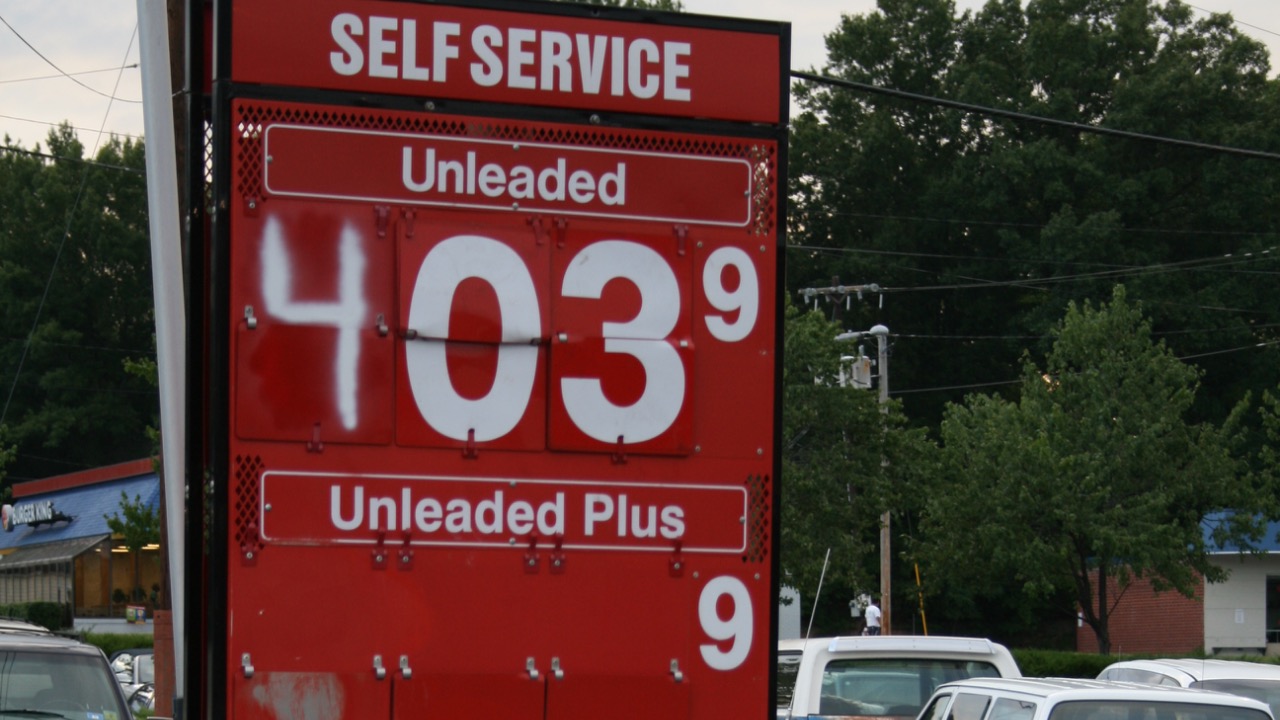
Soaring gas prices and cost of living crisis drive US consumer sentiment to record low
You wake up to another day where filling the tank feels like a punch to the budget, and the numbers coming out of surveys confirm what many already sense in their daily routines. In May 2026, the University of Michigan’s consumer sentiment index fell to an all-time low of 44.8, dropping from 49.8 the month before. This marks the third straight month of declines, driven largely by surging gasoline prices tied to global tensions, especially developments around Iran. Households across income levels express growing worry about affordability, with more than half spontaneously citing high prices as a direct hit to their finances.
The data reflects a shift in how people view both current conditions and future prospects. Inflation expectations have ticked higher, and concerns extend beyond fuel to everyday essentials. This combination has created a level of pessimism not seen in decades of tracking, even as other economic indicators show resilience in some areas.
The record plunge in confidence
Consumer views of the economy have deteriorated rapidly this spring. The final May reading represents the lowest point since the survey began in the 1950s, surpassing previous lows from past crises. Many respondents point to immediate pressures at the pump and in grocery aisles as reasons for their outlook.
This drop appears across different groups, regardless of age, income, or political leaning. People report feeling the weight of higher costs in decisions about big purchases and daily spending. The survey highlights how sustained price increases erode the sense of stability many once took for granted.
Gas prices reshaping daily decisions
Current national average prices hover around $4.55 per gallon for regular gas, a sharp increase from earlier in the year. Disruptions in global oil supply have pushed costs up significantly, adding hundreds of dollars to annual household budgets for commuting, errands, and road trips.
You notice the difference when planning vacations or even weekly shopping runs. Higher fuel expenses ripple through other areas, raising the price of goods transported across the country. For many, this means cutting back on non-essential travel or seeking alternatives like carpooling and public transit where available.
Everyday costs stretching budgets thin
Beyond gasoline, broader price pressures on food, housing, and utilities continue to challenge households. Inflation readings have shown some moderation overall, yet certain categories remain elevated, making it harder to balance income with expenses. Families describe making trade-offs between necessities and saving for the future.
Grocery bills and rent take larger shares of paychecks than in previous years. This environment forces careful prioritization, with many delaying repairs, vacations, or larger investments. The cumulative effect creates ongoing stress even for those with steady employment.
Impacts on family finances and behavior
Households report adjusting habits in response to these pressures. Some shift to cheaper store brands, reduce dining out, or seek side income to cover gaps. The sentiment data shows real income expectations declining, adding to caution around spending.
These changes affect everything from weekend plans to long-term goals like home buying or retirement contributions. The uncertainty makes planning difficult, leading many to adopt a more conservative approach to money management in uncertain times.
What this means for the wider economy
Consumer spending powers a large portion of economic activity, so prolonged low sentiment raises questions about future growth. While job markets have held up in many regions, the combination of high energy costs and affordability worries could slow momentum if it persists. Businesses in retail and services feel the effects through softer demand.
Economists watch these trends closely as signals for potential policy responses. The gap between official measurements and lived experience highlights challenges in addressing widespread frustration with costs.
Paths forward amid uncertainty
Relief could come from stabilizing energy markets or easing supply constraints, though timing remains unclear. In the meantime, many focus on small adjustments that preserve some flexibility in their budgets. Community resources and local programs sometimes help bridge short-term needs.
The situation underscores how external events and domestic pressures intersect in daily life. Tracking developments in both global energy and inflation trends will matter as households navigate the months ahead.

Asher was raised in the woods and on the water, and it shows. He’s logged more hours behind a rifle and under a heavy pack than most men twice his age.