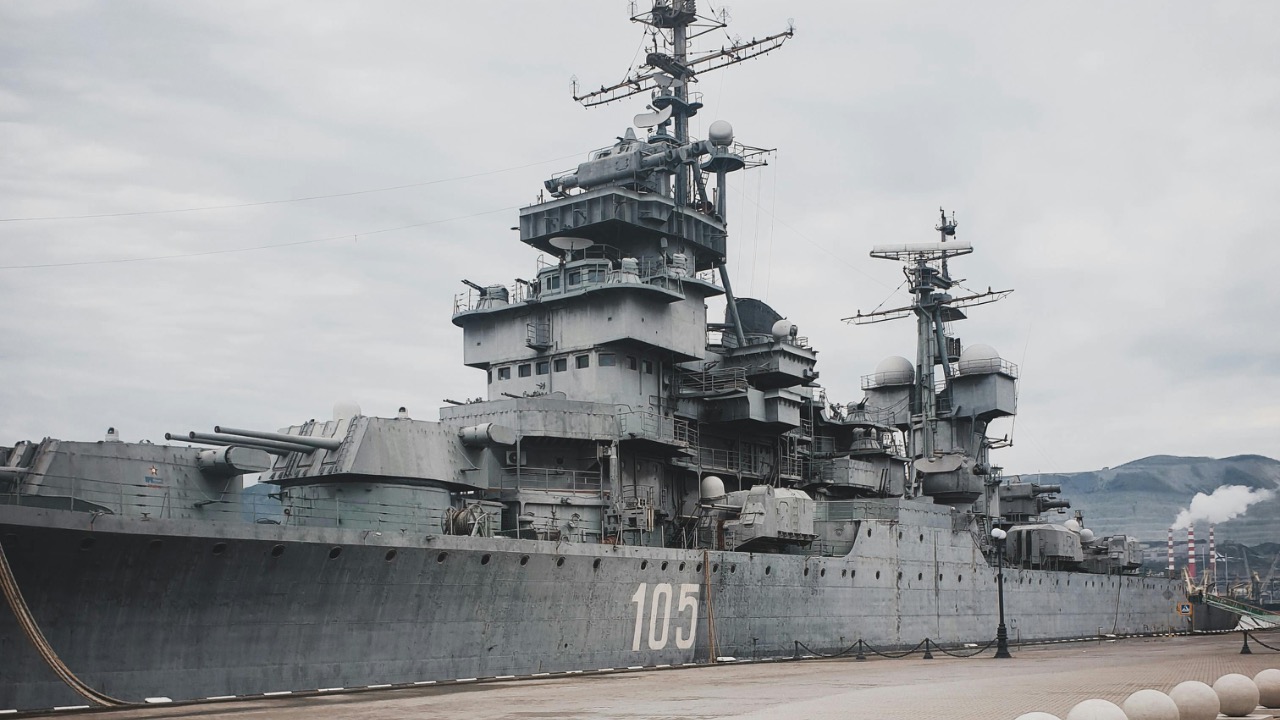
Trump Claims Iran Strikes Sank Nine Ships
American strikes on Iran have escalated into open warfare, and President Donald Trump now says those operations have already sunk nine Iranian naval ships. His claim, delivered in a series of public statements and social media posts, casts the naval campaign as a decisive blow that has left parts of Iran’s fleet on the bottom of the sea and its maritime headquarters in ruins. The assertion highlights both the rapid escalation of the conflict and the uncertainty over what has actually happened at sea.
Trump’s description of nine vessels “destroyed and sunk” comes amid a wider confrontation involving Iran, the United States, Israel, and regional partners, with missiles, drones, and airstrikes crossing borders. The figure has quickly become a benchmark for judging the scale of early U.S. success, even as independent confirmation of the exact damage to Iran’s Navy remains limited and Tehran signals that it intends to keep fighting.
The claim of nine ships at the bottom of the sea
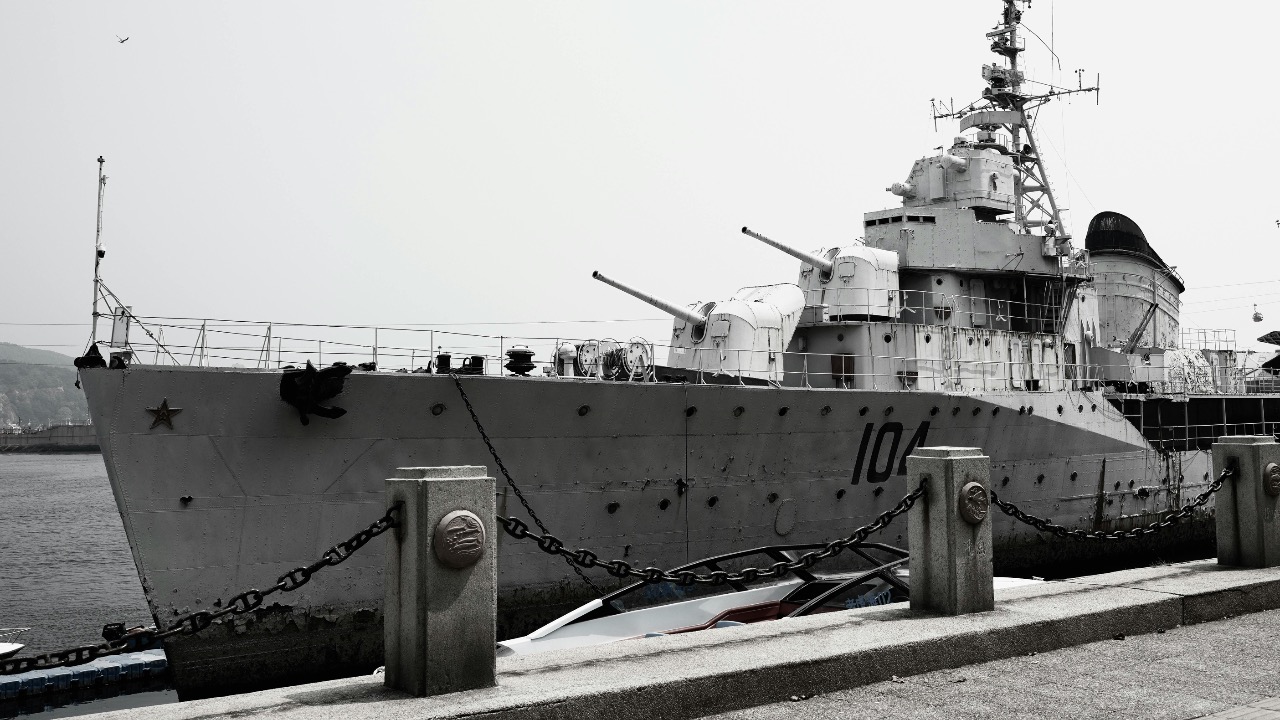
President Donald Trump has presented the destruction of nine Iranian warships as a central achievement of the first wave of U.S. action. In a social media message amplified across television and online platforms, he said he had “just been informed” that American forces had “destroyed and sunk 9 Iranian Naval Ships,” describing some of them as “relatively large and important” and vowing to “go after the rest.” That wording, repeated in coverage of his remarks, sets a clear numerical benchmark for the campaign and signals that he views the naval battle as unfinished business rather than a completed mission.
In the same message, he linked the sinking of the nine vessels to a broader strike package that, in his telling, also “largely destroyed” Iran’s naval headquarters. Video clips of his comments show him emphasizing the scale of the damage and warning that any remaining Iranian ships “will soon” be targeted next, while satellite imagery from Vantor has been cited as showing destroyed and sinking vessels consistent with his description. His status as the sitting U.S. president, documented in public records on Donald Trump, gives those claims immediate strategic weight even as analysts caution that battlefield numbers in the opening days of a war are often revised later.
A war that erupted in days, not months
The naval strikes are only one part of a conflict that has expanded with startling speed. On February 28, according to a detailed chronology of the 2026 Iran–United States crisis, a war began between the United States and its allies on one side and Iran and its allies on the other, following a coordinated campaign of air and missile attacks. That account describes how the United States and partner forces moved quickly from targeted operations to a wider war, with the death of Ayatollah Ali Khamenei, the leader of Iran, in an early strike on his compound in Tehran marking a dramatic escalation of the confrontation. The same overview situates the naval campaign inside a broader effort to degrade Iranian command structures, air defenses, and nuclear facilities across the country.
Reporting on the parallel U.S. and Israeli operations details how the first wave of attacks flattened Khamenei’s Tehran compound and hit multiple sites tied to Iran’s leadership and military. Those strikes, carried out alongside Israeli operations, were framed as a response to earlier tensions and as a way to neutralize what Western planners saw as the core of Iran’s decision-making apparatus. Coverage of the unfolding events notes that Iran’s Supreme Leader Ayatollah Ali Khamenei, who had led Iran since 1989, was killed when his Tehran compound was destroyed during the first wave of strikes, a development that has left Iran’s political system scrambling to project continuity while missiles and drones continue to fly.
How Trump and the Pentagon describe the naval battle
Trump’s description of the naval engagement has been reinforced by multiple appearances and official-sounding updates. In one widely circulated video, he states, “I have just been informed that we have destroyed and sunk 9 Iranian Naval Ships,” adding that the United States “largely destroyed their Naval Headquarters” in the same attack. That clip, taken from a speech where he describes the strikes as a major victory, has been replayed as shorthand for the scale of American action at sea. The language mirrors his broader messaging that U.S. forces are “sinking Iran’s Navy” and that the campaign will continue until Iran’s maritime capacity is neutralized.
U.S. Central Command has also provided its own framing of the fighting, describing how American forces have conducted precision strikes on Iranian Revolutionary Guard Corps positions and naval facilities. One account notes that another five American personnel have been seriously wounded during the conflict, a reminder that the fighting is not cost free even for the attacking side. Trump has used those updates to argue that the United States is inflicting disproportionate damage on Iran’s Navy while keeping American casualties relatively low, although independent analysts caution that both Iranian losses and U.S. damage assessments are still incomplete. A live update feed on the conflict has documented how Trump says nine Iranian naval ships were “destroyed and sunk” as major combat operations began, underscoring how central that figure has become to the administration’s narrative of early success.
Iran’s response and the risk of wider escalation
Iran has not accepted Trump’s framing of a one-sided rout at sea. Iranian officials have announced their own retaliatory operations, including missile launches at Israel and at U.S. military positions in the Gulf, which Tehran describes as a direct response to the U.S. and Israeli strikes on its leadership and infrastructure. Coverage of those exchanges notes that Iran has targeted U.S. military forces in the Gulf and that Israel and US positions have come under fire, even as American officials insist that many of the incoming missiles and drones were intercepted or fell short. The back-and-forth has already produced confirmed American casualties, and the risk of miscalculation grows with each new barrage.
Meanwhile, the death of Ayatollah Ali Khamenei and the reported destruction of key Iranian command centers have raised questions about who is directing Iran’s military response and how cohesive that response can be. A detailed look at the attacks and Iran’s retaliation explains how strikes against Iran’s leadership and military have forced Tehran’s remaining commanders to operate under intense pressure. The combination of leadership decapitation, strikes on nuclear sites, and the reported loss of naval assets has pushed Iran to rely on missile forces and proxy groups, heightening fears that the conflict could spill further across the Middle East. Regional capitals are watching closely as Iran, Israel, and the United States trade blows, with each side trying to claim battlefield momentum while avoiding a slide into an even larger war.
Strategic aims behind targeting Iran’s Navy and nuclear sites
The decision to focus early on Iran’s Navy and on nuclear infrastructure reflects a clear strategic calculus in Washington. By claiming to have sunk nine ships and to have “largely destroyed” Iran’s naval headquarters, Trump is signaling that the United States intends to dominate the Gulf and deny Iran the ability to threaten shipping lanes or U.S. carriers. Analysts point out that Iran has long invested in small fast-attack craft, mines, and anti-ship missiles to offset U.S. naval superiority, so a campaign that removes a significant portion of its surface fleet could sharply reduce that asymmetric leverage. The assertion that the United States is “sinking Iran’s Navy” is therefore not only about immediate battle damage but also about reshaping the balance of power at sea for years to come.

Leo’s been tracking game and tuning gear since he could stand upright. He’s sharp, driven, and knows how to keep things running when conditions turn.