Southern California struck by 360 earthquakes in 48 hours, cracking water lines and roads along Brawley fault
Southern California’s Brawley region just endured one of its most active seismic episodes in recent memory. Over a single weekend in early May 2026, more than 360 earthquakes rattled the Imperial Valley, centered along the Brawley Seismic Zone. The largest reached magnitude 4.7, and while most were small, their rapid pace left residents feeling the ground shift repeatedly. You probably heard about it if you live anywhere from the Salton Sea down toward the Mexican border. Seismologists tracked the activity closely, noting how the swarm unfolded in a region known for its complex fault connections. No one was seriously hurt, yet the constant motion served as a clear reminder of how unpredictable life can feel when the earth refuses to stay still.
How the tremors built momentum so quickly
The sequence kicked off on May 9 with a modest magnitude 1.6 quake, barely noticeable at first. Within hours, dozens more followed, clustering tightly beneath Brawley and spreading into the surrounding farmland. By the next day the pace had intensified, with the magnitude 4.7 event striking just after midnight and waking people across several counties. Seismometers captured hundreds of additional small events, some so subtle they registered only on instruments. Local officials activated extra monitoring right away, and the California Office of Emergency Services stayed in close contact with scientists. The swarm stayed shallow, which made the shaking feel more immediate even when the numbers stayed modest.
Residents described the experience as relentless, with jolts arriving one after another through the night and into the following morning. Many checked their phones repeatedly for updates from the U.S. Geological Survey. The pattern matched other swarms the area has seen before, yet the sheer volume in such a short window stood out. By midweek the frequency had begun to taper, though occasional smaller quakes continued to ripple through.
Visible cracks in roads and water lines
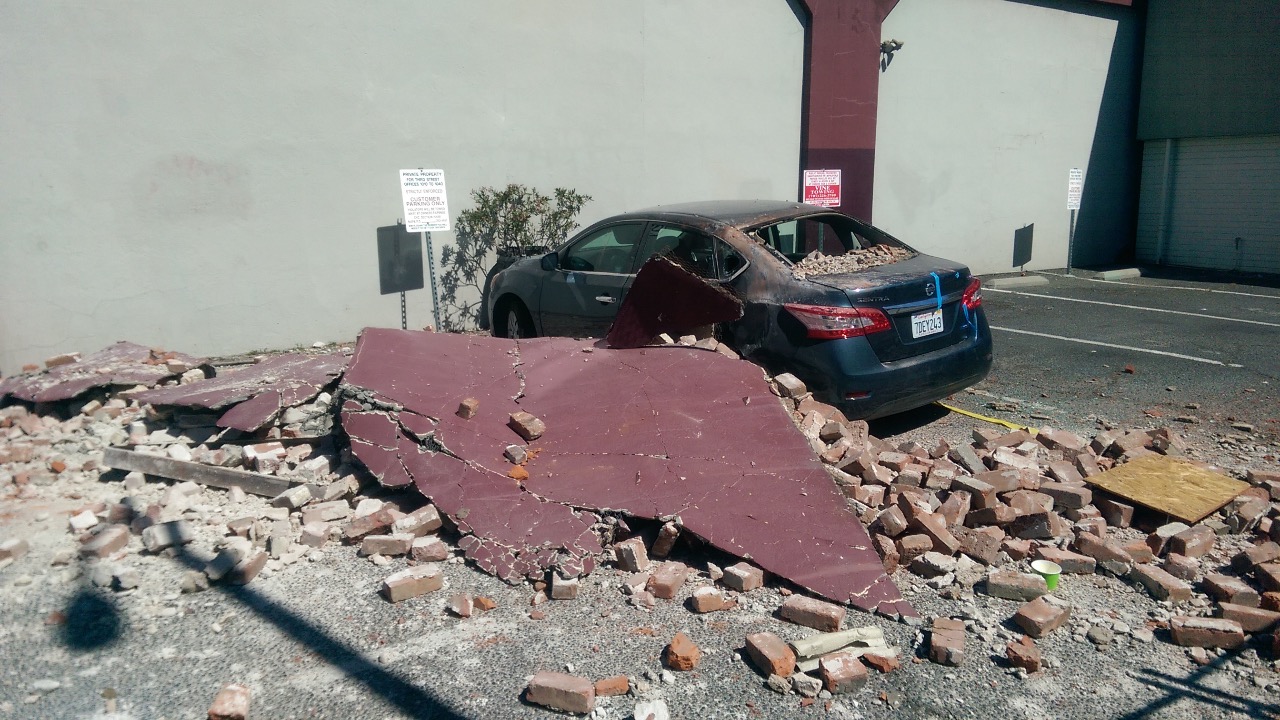
Repair crews in Brawley responded to scattered reports of cracked pavement and broken pipes almost as soon as the larger shakes hit. Sections of local roads showed narrow fissures where the ground had shifted, forcing drivers to slow down and crews to set up temporary barriers. A few water mains developed leaks, leaving small puddles in neighborhoods and prompting quick shutoffs to prevent waste. City staff confirmed the damage stayed minor overall, with no collapsed structures or major utility outages. Still, the fixes required immediate attention because the valley’s irrigation networks feed important agricultural fields nearby.
You could see the evidence in everyday spots: a tilted curb here, a patched asphalt patch there. Utility workers moved methodically through affected blocks, documenting each issue before restoring service. The repairs highlighted how even modest seismic swarms test infrastructure built for steadier conditions. Officials emphasized that the system held up better than it might have in a stronger event, thanks in part to ongoing upgrades in the region.
What daily routines looked like for locals
Families in Brawley adjusted their schedules around the shaking. Parents kept children closer during after-school hours, and some businesses closed early when the stronger jolt arrived. Grocery shelves rattled, and a few items toppled, but stores reopened quickly once the immediate flurry eased. Farmers checked irrigation lines more often than usual, worried that any undetected crack could affect crops already facing tight water margins. Neighbors traded stories over backyard fences, swapping tips on securing furniture or deciding whether to sleep in a more central room.
The community leaned on familiar routines to regain a sense of normalcy. Schools held brief safety reviews, and local radio stations broadcast frequent updates from emergency managers. People who had lived through earlier swarms offered calm reassurance to newcomers, pointing out that the valley had weathered similar episodes without lasting disruption. The shared experience turned the tremors into something residents talked about openly rather than ignored.
Why the Brawley Seismic Zone stays so active
This stretch of Southern California sits where the San Andreas Fault system meets the Imperial Fault, creating a web of smaller fractures that move frequently. Geothermal heat from deep underground adds pressure, encouraging swarms like the one that just passed. Scientists map the zone as a transition area, one that rarely produces huge quakes but regularly releases energy through clusters of moderate and minor events. The recent activity followed patterns observed in previous years, with quakes aligning along northeast-southwest trends beneath the city.
Geologic studies show the ground here slips in small increments rather than locking up for decades. That behavior explains why the region sees repeated swarms without the same buildup seen farther north along the main San Andreas. Researchers continue to collect data from the latest sequence, hoping to refine models that predict how these clusters evolve over time.
Insights from scientists monitoring the swarm
Seismologists described the episode as typical for the Brawley area, though the density of events drew extra attention. They noted the largest quake released only modest energy compared with major historical events elsewhere in California. Ongoing analysis focuses on whether the activity might migrate toward larger faults, but experts assign a low probability to any immediate escalation. Data from the Southern California Seismic Network helped officials communicate clearly with the public, emphasizing facts over speculation.
Field teams deployed additional sensors during the peak days, capturing details that will improve future warnings. The information they gathered reinforces long-term preparedness efforts across the Imperial Valley. While the swarm has largely quieted, researchers plan to keep instruments in place for several more weeks to watch for any lingering adjustments underground.
Practical steps residents are taking now
Many households in the valley reviewed their emergency kits after the weekend, adding fresh water and checking flashlights. Local hardware stores saw a steady stream of customers picking up straps for water heaters and securing shelves. Community meetings offered space for questions, with emergency managers walking through simple actions that reduce risk during future shakes. Schools incorporated quick drills into regular schedules, keeping the focus on calm responses rather than fear.
You notice the difference in how people talk about preparedness these days. It feels less abstract after experiencing the ground move so persistently. The recent swarm served as a live exercise in staying alert without panic, and many say they feel a bit more ready for whatever comes next beneath the Imperial Valley.

Asher was raised in the woods and on the water, and it shows. He’s logged more hours behind a rifle and under a heavy pack than most men twice his age.