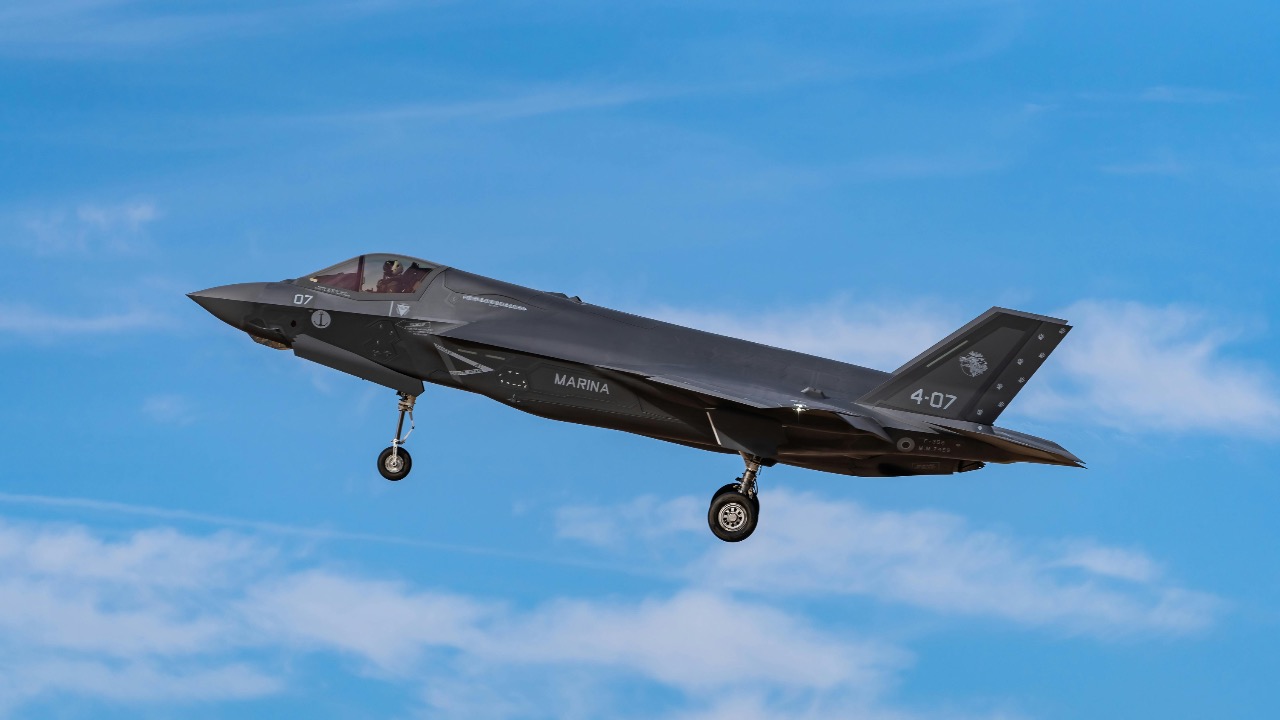
Spain blocks US warplanes from using airspace and bases in refusal to support Iran operations
Spain has drawn a sharp line over the conflict with Iran, refusing to let United States warplanes use its airspace or bases for combat missions. The decision puts a key NATO ally at odds with Washington’s operational plans and signals growing European resistance to the current U.S. approach to the war.
The move does not sever military cooperation altogether, but it does restrict how American forces can move and fight from European territory, with direct consequences for flight routes, logistics, and alliance politics.
What happened
Spain’s government has ordered its airspace closed to any aircraft directly involved in the war in Iran, including U.S. bombers and support planes transiting to or from the conflict zone. Officials have framed the step as a legal and political response to what they describe as an illegitimate use of force, with one senior figure calling the campaign in Iran “profoundly illegal” under international law, according to Spanish commentary.
The restriction covers overflight rights, which are essential for long-range missions from the continental United States or other NATO territories to the Middle East. By denying those rights, Madrid has forced U.S. planners to reroute aircraft around Spanish-controlled corridors, adding distance and complexity to any sorties linked to Iran operations.
Spain is also limiting how U.S. installations on its soil can be used. The United States operates significant facilities at Rota naval base and Morón air base under bilateral defense agreements. Spanish authorities have signaled that these bases cannot serve as launchpads or staging hubs for direct strikes on Iran, even as they continue to host U.S. personnel and assets for other purposes, according to detailed reporting.
The decision comes against a backdrop of tension between European capitals and the administration of Donald Trump over the legality and wisdom of the Iran campaign. Earlier coverage of transatlantic frictions described how Trump’s team has pressed allies to provide access and support, while some European governments have pushed back on both legal grounds and public opinion concerns, as reflected in accounts of U.S..
Spain is not alone in drawing limits. Italy has also constrained U.S. use of its territory, with reports that Rome blocked certain American aircraft from landing at Sigonella air base in Sicily for Iran-related missions. Coverage of those decisions indicates that Italian officials have been wary of allowing the base to serve as a direct springboard for strikes on Iranian targets, a stance described in detail in reporting on Sigonella.
Within NATO, Spain’s move has triggered debates about alliance solidarity and operational planning. Defense sources cited in specialized aviation coverage describe how U.S. Air Force planners and NATO command structures are now mapping alternative corridors and contingency basing options to compensate for Madrid’s restrictions, a process outlined in alliance-focused analysis.
Why it matters
Spain’s refusal to facilitate Iran operations cuts to the core of how NATO functions in practice. The alliance is built on shared planning and interoperability, yet it still depends on national consent for specific missions. By closing its skies to warplanes engaged in the Iran conflict, Madrid has reminded partners that sovereignty can trump alliance expectations when legal or political red lines are crossed.
The legal rationale is central. Spanish officials and legal experts arguing against the Iran campaign have cited the absence of a clear United Nations Security Council mandate and have questioned whether Washington’s actions meet the threshold for self-defense under the U.N. Charter. The description of the conflict as “profoundly illegal” in domestic debate, captured in Spanish analysis, reflects a broader concern that participation could expose Spain to legal and reputational risks.
Domestic politics also play a decisive role. Public opinion in Spain has long been skeptical of large-scale U.S.-led interventions in the Middle East, shaped by the experience of the Iraq war and the 2004 Madrid train bombings. Governments in Madrid have learned that alignment with controversial U.S. operations can carry a high political cost at home. Limiting cooperation on Iran allows the current leadership to maintain alliance commitments while signaling to voters that Spain is not a party to what many see as an unlawful war.
For the United States, the decision complicates the logistics of sustained air operations. Overflight rights save fuel, reduce flight times, and expand the range of potential targets. Losing access to Spanish airspace means longer routes over the Atlantic or through other European corridors, which can reduce sortie rates and strain tanker fleets. The need to reconfigure those routes, described in aviation planning reports, adds friction to an already demanding campaign.
The restrictions on bases such as Rota and Morón matter for more than just takeoff and landing rights. These facilities provide maintenance, munitions storage, and command infrastructure that can shorten the distance between decision and action. If they are barred from direct involvement in Iran strikes, U.S. commanders must rely more heavily on other hubs in Italy, Greece, or the Gulf, each with its own political and logistical constraints. The careful distinction reported by Spanish media between hosting U.S. forces and enabling combat missions, detailed in coverage of base, illustrates how host nations can narrow the scope of cooperation without tearing up existing treaties.
At the alliance level, Spain’s stance feeds into a wider European debate over strategic autonomy. Some European leaders argue that the continent should be able to decide when and how its territory is used for war, especially in conflicts where European security is not directly at stake. The combination of Spanish and Italian limits on Iran-related flights, described in broader European coverage, signals that Washington can no longer assume automatic access even from long-standing allies.
The episode also affects how Iran and other regional actors read Western cohesion. When prominent NATO states distance themselves from U.S. operations, Tehran can claim that Washington is isolated and that its campaign lacks international backing. That perception may not change the balance of military power, but it shapes diplomatic leverage and the narrative battle over legitimacy.
What to watch next
The immediate question is whether Spain’s restrictions remain limited to Iran operations or expand if the conflict widens. If U.S. strikes spill over into neighboring countries or trigger retaliatory attacks on European interests, Madrid could face pressure to adjust its stance. For now, Spanish leaders appear committed to a line that allows ongoing alliance cooperation while keeping clear distance from the Iran war itself, a balance that will be tested as events unfold.
Another key variable is whether other European allies follow Spain and Italy in tightening conditions on U.S. access. Governments in Germany, France, and the Netherlands face their own domestic debates about the legality and wisdom of the campaign. Should they adopt similar limits on overflight or basing, U.S. planners would have to reconfigure not just individual routes but the entire architecture of European support for Middle East operations, amplifying the challenges already described in NATO-focused assessments.
Legal challenges are also likely to grow. Human rights groups and international law scholars in Spain have already framed the Iran conflict as a violation of the U.N. Charter, echoing the “profoundly illegal” language cited in domestic commentary. If Spanish airspace or bases were used even indirectly for operations that later come under legal scrutiny, courts could examine the government’s role. That prospect gives Madrid a further incentive to keep restrictions tight.
On the U.S. side, diplomatic engagement with Madrid and Rome will continue, as Washington seeks at least limited flexibility for humanitarian flights, search and rescue, or contingency evacuations. Earlier accounts of U.S. outreach to allies over Iran, such as those described in coverage of Trump, suggest that Washington will argue that denying access undermines collective security and emboldens Iran.

Leo’s been tracking game and tuning gear since he could stand upright. He’s sharp, driven, and knows how to keep things running when conditions turn.