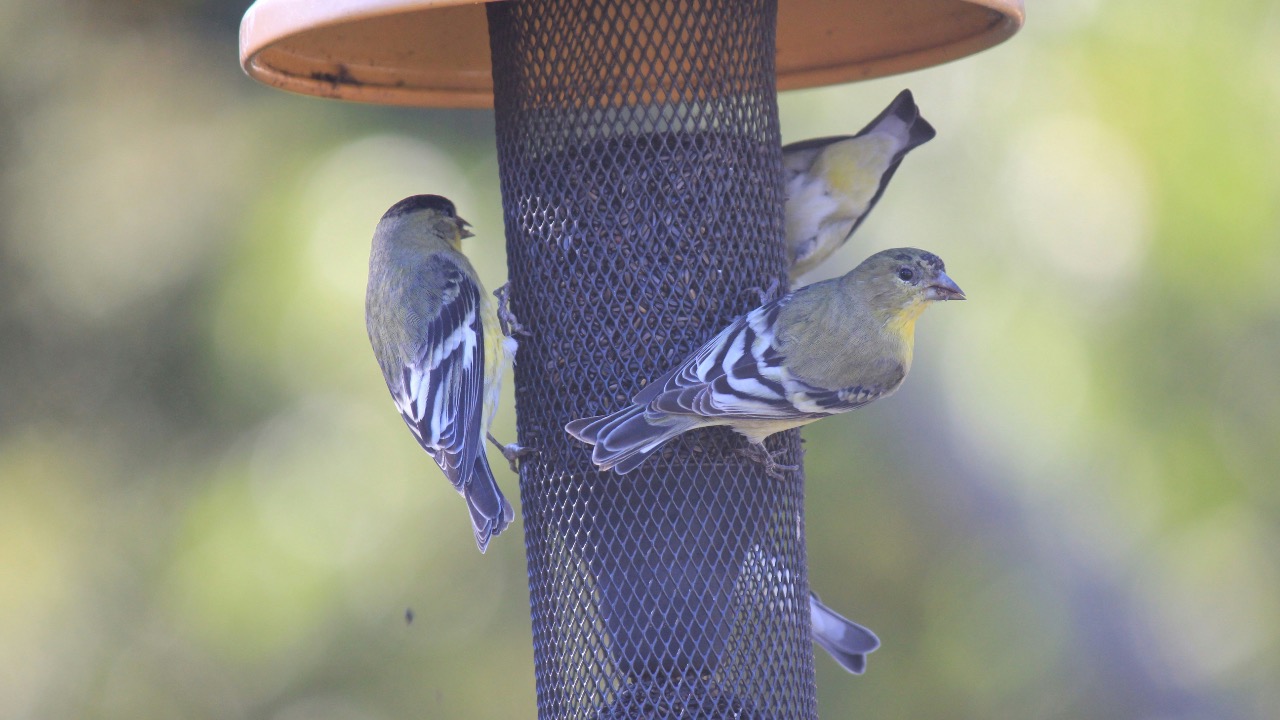
Wildlife Experts Advise Removing Bird Feeders
You’ve probably seen feeders hanging in backyards for years without giving them much thought. Fill them up, watch the birds show up, repeat. But wildlife agencies and field biologists have started taking a closer look at what those feeders are actually doing once disease, predators, and migration pressure enter the picture.
The advice to pull feeders down doesn’t come from one single concern. It’s a mix of avian disease outbreaks, shifting migration patterns, and changes in how wild birds interact with concentrated food sources. In some regions, the recommendation is temporary. In others, it’s more situational—tied to seasons or local outbreaks. Here’s how the issue is playing out on the ground.
Disease Outbreaks Are Driving Most of the Concern
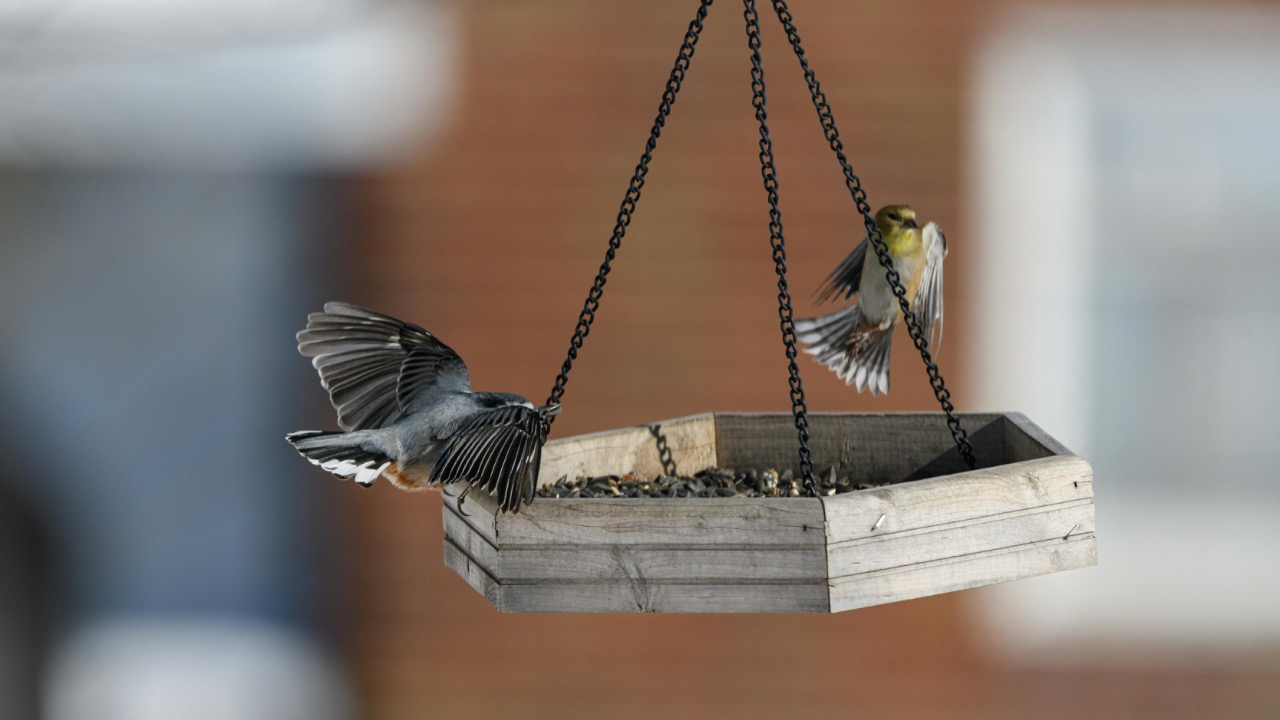
You’ve likely heard about avian diseases moving through wild bird populations in recent years. When birds gather at feeders, they’re in close contact, and that makes transmission easier.
Saliva, droppings, and shared perches all become pathways for pathogens. Even a small backyard feeder can turn into a hotspot when conditions line up. Wildlife agencies don’t always recommend permanent removal, but during outbreaks, they often advise taking feeders down to break that chain. It’s less about eliminating feeders altogether and more about reducing concentrated contact points during high-risk periods.
Feeders Can Increase Unnatural Bird Density
A feeder changes how birds use space. Instead of spreading out across natural food sources, they cluster around a single point. That concentration isn’t how wild systems are meant to function.
When you stack birds into tight groups, you also change how they interact. Competition increases, stress goes up, and weaker birds get pushed out. Predators pick up on that activity too. What starts as a backyard attraction can end up reshaping local behavior patterns in ways that don’t always benefit the birds over time.
Migration Timing Can Get Disrupted
Birds rely on natural food availability to guide movement. When feeders provide a constant supply, some species delay moving on or alter their routes slightly.
That sounds minor, but it can matter when weather turns or wild food sources dry up. Birds that linger too long may face harsher conditions than they would have otherwise. You’re not overriding migration entirely, but you can influence timing at the edges, especially for species that are already adaptable or opportunistic feeders.
Backyard Feeders Can Spread Parasites
It’s not just viruses and bacteria. Parasites also move more easily when birds gather tightly. Mites, lice, and other organisms can transfer between individuals at shared feeding sites.
Dirty feeders make the problem worse. Old seed, damp conditions, and accumulated waste create an environment where parasites persist longer than they would in the wild. Regular cleaning helps, but it doesn’t eliminate the underlying issue of repeated close contact in a single spot.
Predator Activity Tends to Increase Around Feeders
Where there’s steady bird activity, predators notice. Cats, hawks, and even raccoons learn quickly where easy opportunities show up.
A feeder doesn’t just attract songbirds—it creates a predictable hunting zone. Birds coming and going at set locations give predators an advantage. That changes survival odds, especially for younger or less experienced birds. Even if predation rates don’t skyrocket everywhere, the behavior shift is enough for wildlife managers to factor it into their guidance.
Artificial Feeding Can Shift Local Bird Populations
When feeders are reliable year-round, some species may become more common in suburban areas than they would naturally be. That can crowd out more sensitive species that rely on natural food cycles.
Over time, you may see a less diverse mix of birds in heavily fed areas. Species that adapt well to feeders tend to dominate, while others move on. It’s not an immediate collapse, but a slow reshaping of which birds stick around your yard and which don’t.
Seasonal Recommendations Are Becoming More Common
Most wildlife agencies aren’t calling for permanent feeder bans. Instead, they’re focusing on timing. During disease outbreaks or certain migration windows, temporary removal is often recommended.
That approach gives birds natural breathing room when they need it most. Once risk levels drop, feeders can go back up. It’s a flexible strategy that tries to balance human enjoyment with wild bird health, rather than treating feeders as universally good or bad.
Cleanliness Matters More Than Most People Realize
A lot of feeder-related problems come down to maintenance. Old seed buildup, mold, and waste underneath feeders create conditions that attract disease and pests.
Regular cleaning helps reduce risk, but it has to be consistent. Once contamination builds up, it spreads quickly through visiting birds. Wildlife experts often point out that if feeders stay up, they should be treated like any other shared wildlife resource—kept clean, monitored, and adjusted when conditions change.
Feeding birds has always felt like a harmless backyard habit, and most of the time it is. But when conditions shift—disease, migration stress, or local wildlife pressure—experts start looking harder at the tradeoffs. What you do with a feeder isn’t just about what shows up in your yard. It connects to how birds move, gather, and survive across a much wider landscape.

Asher was raised in the woods and on the water, and it shows. He’s logged more hours behind a rifle and under a heavy pack than most men twice his age.