States where predator sightings are rising faster than expected
Predator sightings aren’t what they were twenty years ago. Across the country, wildlife agencies are reporting more frequent encounters with animals that used to stay deep in the backcountry. Expanding suburbs, changing prey patterns, and conservation success stories have all played a role. What used to be rare is now routine in certain regions.
If you spend time outdoors, you’ve probably noticed it yourself. Trail cameras are catching more movement, hunters are seeing sign where it didn’t exist before, and landowners are dealing with predators closer to barns and backyards. Here’s a closer look at states where those sightings are climbing faster than most folks expected—and what’s driving it.
Maine

In Maine, black bear and coyote sightings have steadily increased, but what’s turning heads is the rise in bobcat activity. Game cameras are catching them more often near rural homes, not just in remote timberland.
You’re seeing it tied to strong prey numbers and expanding forest edges. As development breaks up large tracts of land, predators adapt quickly. Coyotes, in particular, are moving closer to human activity without much hesitation. If you hunt or trap here, you’ve likely noticed more tracks in places that used to stay quiet.
Missouri
Missouri has seen a noticeable uptick in mountain lion reports over the past decade. While most are confirmed as transient animals, the frequency of sightings has increased enough to draw attention from wildlife officials.
You’re also dealing with a growing coyote population that’s thriving in farmland and suburban edges. Deer hunters are reporting more predator pressure than they did even ten years ago. It’s not one species driving the change—it’s a combination of adaptable predators finding plenty of room and food.
Colorado
Colorado has long been home to predators, but the rise in urban-edge encounters is what’s changed. Mountain lions are being spotted in neighborhoods along the Front Range more often than expected.
You’re seeing bears follow the same pattern, especially during dry years when natural food sources are limited. Trash, pet food, and bird feeders become easy targets. The result is more human interaction, even in places that don’t feel wild. For hunters, it means understanding that predator movement isn’t staying confined to high country anymore.
Wisconsin
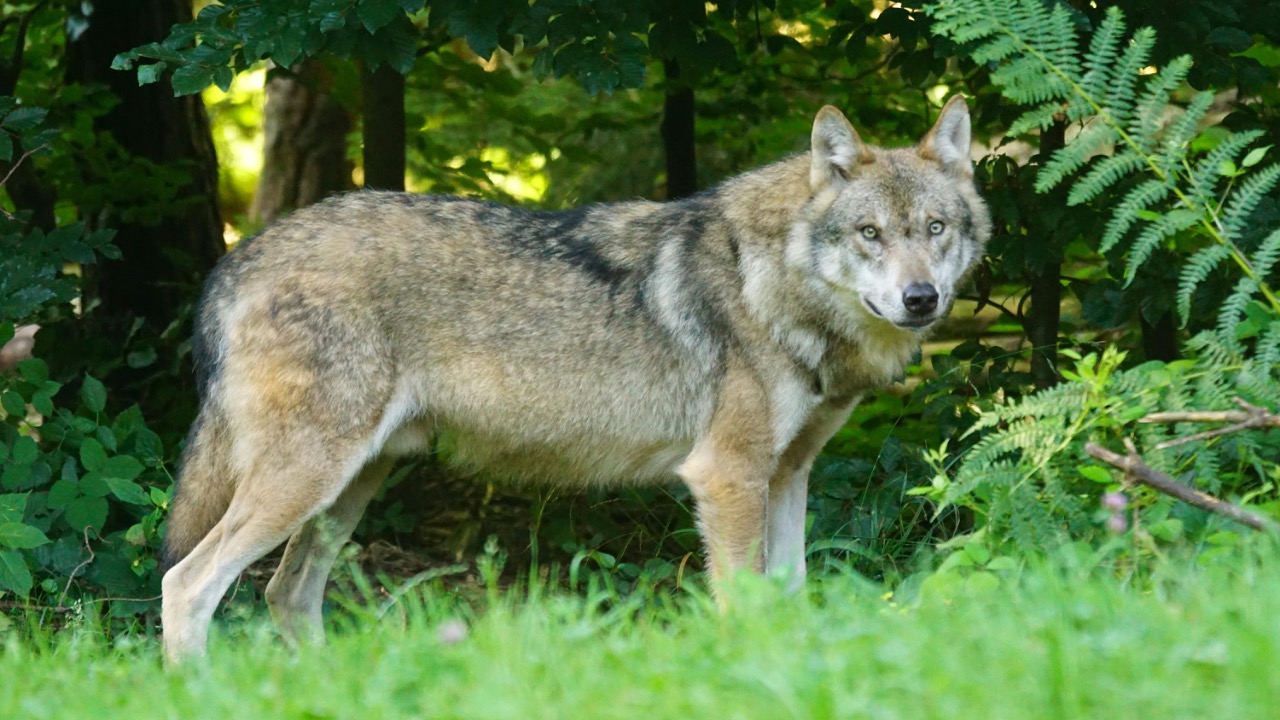
Wisconsin’s wolf population recovery is one of the biggest drivers behind increased predator sightings. Packs are expanding into areas where they haven’t been seen in decades.
You’ll also find coyotes adjusting their patterns around wolves, often moving closer to developed land. Trail cameras show overlapping territories that didn’t exist before. If you hunt deer here, you’re likely noticing changes in herd behavior tied directly to growing predator presence. It’s a shifting balance that’s still playing out.
California
California continues to see rising mountain lion sightings, especially in foothill communities. Development is pushing into traditional habitat, and lions are adjusting rather than retreating.
You’re also seeing more black bear encounters in suburban areas, particularly during drought years. Limited natural forage pushes them toward easy calories. For anyone spending time outdoors, it’s clear that predators here aren’t avoiding people the way they once did. They’re learning to live alongside them.
Florida
Florida’s panther population remains small but is expanding northward, leading to more reported sightings. These cats are using corridors that bring them closer to roads and rural properties.
At the same time, coyotes have firmly established themselves across the state. You’ll find them in places that feel far removed from traditional predator habitat, including urban edges. The combination has made predator encounters more common than most long-time residents remember.
Oregon
Oregon has seen wolves steadily return to parts of the state, and with them comes increased sightings and livestock conflicts. These animals are spreading into new territory each year.
You’re also seeing cougars maintain strong populations, often overlapping with expanding human development. Hunters and ranchers are both noticing more consistent predator sign. It’s not a sudden explosion, but the steady increase has caught plenty of people off guard.
North Carolina
In North Carolina, coyotes have filled nearly every corner of the state, including coastal regions where they weren’t common before. Sightings have become routine for landowners and hunters alike.
There’s also growing conversation around large cat sightings, though confirmed populations remain uncertain. What’s clear is that predator pressure on deer and small game has increased. If you spend time in the woods here, you’re likely seeing more sign than you did a decade ago.
Arizona
Arizona has always had predators, but urban expansion has changed how often you encounter them. Coyotes are now common in neighborhoods, and mountain lion sightings are reported more frequently near city limits.
You’re also seeing black bears move into lower elevations during certain seasons. Water scarcity and heat push animals into areas where people live. For hunters and hikers, it’s a reminder that predator awareness isn’t limited to remote terrain anymore.
Minnesota
Minnesota’s wolf population remains one of the strongest in the lower 48, and sightings have expanded outside traditional northern ranges. Reports are increasing in agricultural zones and transitional habitats.
Coyotes continue to thrive alongside them, adapting to shifting pressure from larger predators. You’ll notice more complex movement patterns if you run cameras or track sign. It’s not unusual anymore to see evidence of multiple predator species in the same stretch of land.
Texas
Texas has always had coyotes, but their numbers and visibility have grown significantly, especially around expanding cities. They’re showing up in suburbs and even urban green spaces.
You’re also seeing more bobcat sightings, particularly in central and north Texas. These cats are adapting well to fragmented habitat. For landowners and hunters, it means paying closer attention to livestock, pets, and game movement. Predator presence here is more noticeable than it used to be.
Pennsylvania
Pennsylvania has seen a steady rise in black bear sightings, with animals appearing in suburban neighborhoods more often than in the past. Food availability and habitat changes are major factors.
Coyotes are also widespread, and their impact on deer populations is a regular topic among hunters. You’ll find more consistent predator sign across both public and private land. It’s not unusual anymore to hear multiple reports in a single season from areas that once saw very little activity.

Asher was raised in the woods and on the water, and it shows. He’s logged more hours behind a rifle and under a heavy pack than most men twice his age.