Supreme Court to Weigh Gun Ownership and Marijuana Use
The Supreme Court is now confronting a clash between federal gun restrictions and the rapid normalization of marijuana, a conflict that could reshape who counts as a “law-abiding” gun owner. At stake is whether people who use cannabis, even where it is legal under state law, can be permanently barred from owning firearms under federal law.
The case forces the justices to decide how far the Second Amendment extends in an era when nearly half the country has access to legal marijuana, yet federal law still treats cannabis as a controlled substance. Their answer will ripple through criminal prosecutions, background checks, and the growing patchwork of state cannabis markets.
The law at issue and a changing country
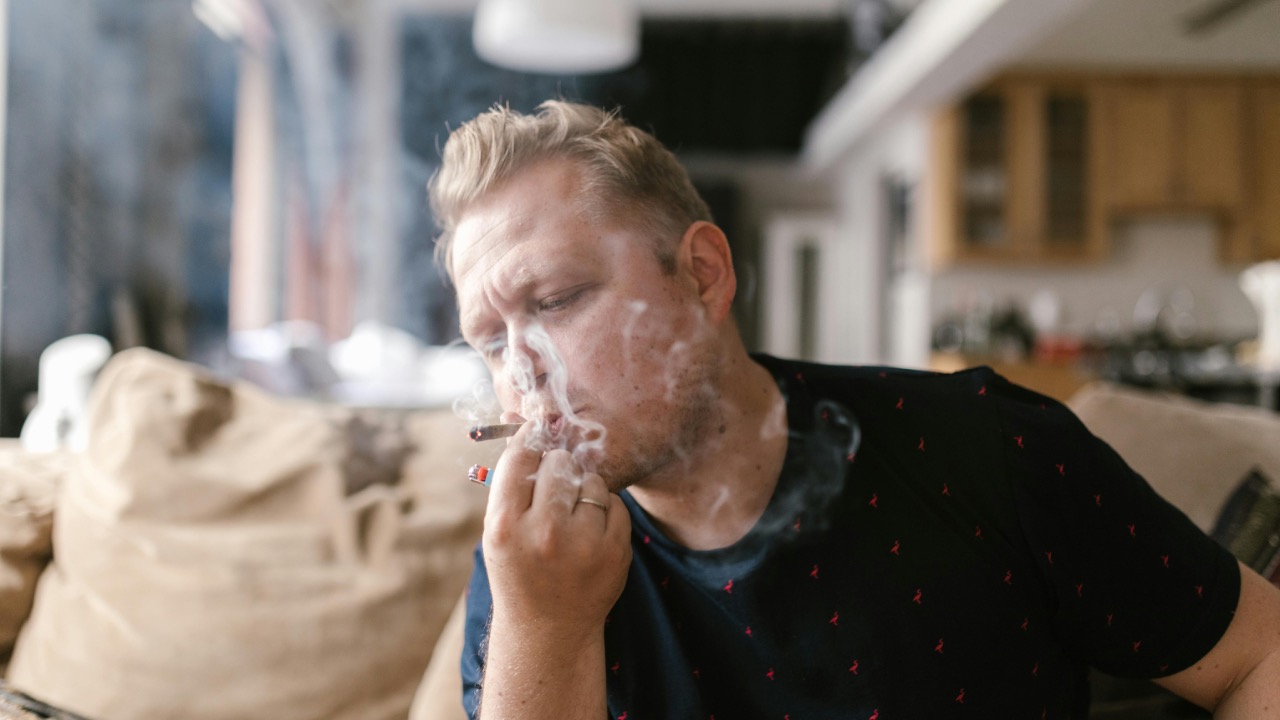
At the center of the dispute is a long-standing federal rule that makes it a crime for an “unlawful user” of controlled substances to possess a gun. Prosecutors have relied on that statute to charge people who admit to using drugs or test positive while owning firearms, even when the substance is marijuana permitted under state law. The Supreme Court must now decide whether that kind of blanket ban is compatible with the Constitution’s protection of the right to keep and bear arms.
The tension has sharpened as more states have legalized cannabis for medical or recreational use, while federal law continues to classify marijuana as illegal. A Supreme Court case over whether marijuana users can own guns has already drawn unusual alliances among gun rights advocates, civil liberties groups, and some cannabis industry voices, all focused on how the federal definition of a drug user interacts with the Second Amendment and modern state policies that treat marijuana very differently from federal law in this dispute.
Inside the Supreme Court arguments
During recent arguments, multiple justices pressed the federal government on why regular marijuana users should automatically lose access to firearms, particularly in states where cannabis use is lawful. Several members of the Court appeared skeptical of the claim that a person who smokes marijuana, even frequently, is inherently too dangerous or irresponsible to own a gun, and they questioned whether that assumption can be grounded in the kind of historical tradition that the Court has required in other modern Second Amendment cases according to arguments.
Reporting from the courtroom indicates that a marijuana user challenging the federal law seems likely to prevail, although the justices did not clearly signal how far they might go in limiting the statute. In arguments, several conservative and liberal justices alike pressed the government on whether it can criminalize gun possession simply because someone is labeled a drug user, with some suggesting that such a broad rule may not fit the Court’s recent insistence on analogies to firearm regulations that existed around the founding era current challenge.
History, “dangerousness,” and the Bruen test
The Court’s questions are shaped by its own modern Second Amendment framework, which requires contemporary gun laws to align with the nation’s historical tradition of firearm regulation. In recent arguments about gun rights, marijuana, and the right to own a gun, the Supreme Court wrestled with whether there is any meaningful historical analogue for disarming people simply because they use a substance that the government disapproves of, rather than because they have been found individually dangerous or convicted of a serious crime historical test.
One line from the arguments captured the philosophical divide. A justice noted that “The Second Amendment doesn’t exist to protect the rights of people who are dangerous or whose possession of guns would endanger others,” a formulation that reflects long-standing acceptance of limits on firearms for those deemed a threat. Yet the Court also heard that the government’s approach treats any marijuana user as part of a broad “social evil” that has plagued America, a characterization that critics say sweeps far beyond people who actually pose a risk and fails to match the founding-era understanding of who could be disarmed government’s argument.
Lower court fractures and the Fifth Circuit’s break
Even before the Supreme Court stepped in, lower courts had begun to fracture over whether the federal drug user ban can survive under the Court’s modern Second Amendment cases. The United States Court of Appeals for the Fifth Circuit has repeatedly invalidated the federal prohibition as applied to marijuana users, holding that the government failed to show a historical tradition of disarming people based solely on their use of cannabis rather than on individualized findings of dangerousness. In one litigation highlight, the Fifth Circuit again struck down the drug user ban in a case involving marijuana, signaling a growing willingness among some judges to treat cannabis use differently from other controlled substances in the Second Amendment context Fifth Circuit decision.
Other courts have been more sympathetic to the federal government’s position, accepting the idea that regular drug use can impair judgment and that Congress may act preventively to keep firearms out of the hands of those who may be intoxicated or addicted. This split in approaches, especially between the Fifth Circuit and other regions, increased pressure on the Supreme Court to clarify how its own historical test for gun regulations applies to modern drug laws. The justices now face the task of reconciling these divergent readings of the Constitution at a time when state and federal views of marijuana are moving in opposite directions.
Practical stakes for gun owners and cannabis users
For ordinary people, the legal questions translate into concrete risks. A gun owner who uses marijuana in a state where cannabis is legal can still be prosecuted under federal law, lose the right to possess firearms, and face prison time if the current statute is enforced as written. The Supreme Court is hearing a case that has already prompted warnings that people who answer background check forms honestly about marijuana use, or who admit to using cannabis during a traffic stop or other encounter, may be exposing themselves to serious firearms charges even when their conduct is fully lawful under state rules current federal system.
The Court’s eventual ruling will also shape how law enforcement and prosecutors prioritize gun cases involving drugs. Earlier Monday, the Supreme Court declined to take up a series of related cases that asked whether the same law can be used against people accused of other kinds of drug use, a move that keeps the spotlight on marijuana while leaving some questions about other substances unresolved Court’s selective review. Whatever the justices decide in the marijuana case, their reasoning will guide future challenges as courts grapple with how to treat other controlled substances in the context of gun rights.

Leo’s been tracking game and tuning gear since he could stand upright. He’s sharp, driven, and knows how to keep things running when conditions turn.