The ethics debate around subsistence hunting in modern America
Across rural Alaska, the Navajo Nation, and the North Woods of Maine, families still fill their freezers with wild meat taken close to home. At the same time, urban Americans scroll past viral images of trophy kills and ask whether any killing of wildlife can be moral in a wealthy country with full grocery shelves. The ethics debate around subsistence hunting in modern America lives in that tension between lived necessity, cultural survival, and a changing sense of what we owe wild animals.
When I look at that debate, I see less a clean line between “right” and “wrong” and more a running argument over motives, methods, and power. Subsistence hunters, animal‑rights advocates, wildlife biologists, and weekend deer hunters are all talking about different things when they say “hunting,” and the first step toward any honest conversation is sorting those meanings out.
What we really mean by “subsistence” in 2026
In policy circles, “subsistence hunting” is not a vague feel‑good label, it is a legal category tied to food security and culture. In Alaska and parts of the rural West, regulations carve out seasons and bag limits so local residents can meet basic needs for meat and fat, often in places where store groceries are scarce or ruinously expensive. Ethnographers working on TEK in North America describe communities where hunting, from ruffed grouse to white‑tailed deer, is organized around “subsistence needs and traditions,” not weekend recreation.
That does not mean subsistence is frozen in time. The same research notes hunters using motors and large caliber rifles in pursuit of grey whales while still operating inside a “traditional moral code” that governs everything from techniques to butchering to disposal of unused parts. In Alaska, inland Dena communities talk about “Balance and Redistribution,” where obligations to game species are woven together with obligations to neighbors, and where food, tools, and labor move through the village as part of a shared survival system. When I weigh ethics in that context, I am not just counting carcasses, I am looking at whether the hunt keeps that balance intact.
Culture, identity, and the ethics of taking
For a lot of Indigenous hunters, the ethical case for subsistence starts with identity, not protein. Inupiaq, Makah, and Wampanoag leaders who have pushed to revive traditional whaling argue that their hunts are part of a living relationship with the sea, not a throwback spectacle. Reporting on the revival of Indigenous subsistence whaling notes that the International Whaling Commission was formed in 1942 to regulate these hunts and preserve whale species across the globe, and that Indigenous nations have had to fight to keep cultural harvests recognized inside that system.
Today, International Whaling Commission explicitly allows whaling on otherwise protected animals when it is conducted by certain Indigenous people to satisfy subsistence needs, a carve‑out that reflects both cultural rights and nutritional realities in remote Arctic communities. Critics see any killing of whales as unacceptable, but from the villages’ perspective, the ethical failure would be letting languages, ceremonies, and foodways die while global shipping lanes and industrial fishing continue to hammer the same ocean. When I listen to those hunters, I hear an ethic that treats whales as powerful beings, not units of meat, and that is a very different starting point than a weekend safari package.
Fair chase, modern gear, and where subsistence fits
Modern American hunting ethics grew up around the idea that how you hunt matters as much as what you kill. The Boone and Crockett Club’s definition of modern hunting centers on Fair Chase, “the ethical, sportsmanlike, and lawful pursuit and taking of any free‑ranging wild, big game animal” where the animal has a reasonable chance to escape. That same creed is echoed in guidance that describes Fair Chase as a response to past abuses, a way to keep hunting from sliding into pure domination.
Ethics agencies spell it out in plainer language. One Australian authority, in a framework that mirrors North American norms, says that One of the key components of ethical hunting is giving game a reasonable chance to evade the hunter and not allowing animals to be unduly harassed. That sits awkwardly next to some subsistence realities, where a missed shot can mean a family goes without meat and where boats, snowmachines, and large caliber rifles are tools of survival. The TEK research that mentions motors and big rifles in grey whale hunts shows how communities try to square that circle, folding new gear into an older moral code rather than treating technology as a blank check.
Animal welfare, moral philosophy, and the subsistence exception
Philosophers have been wrestling with hunting for a long time, and subsistence is usually the hardest case. A widely cited ecology paper notes that Hunting attracts ethical controversy because it tests the boundary between culture and nature and because it risks treating animals as objects rather than living, conscious beings. A more recent overview of public attitudes describes a “moralistic view” that leans toward seeing hunting as ethically wrong across the board, with people expressing their love for animals and discomfort with killing in surveys summarized by Mar research.
At the same time, ethicists who drill into specific practices often draw a line between killing for food and killing for fun. One analysis argues that some types of Hunting may be morally justifiable when they are designed to secure the aggregate welfare of wildlife populations or human communities, while others are not. A separate paper on trophy hunting concludes that, Additionally, under a virtue ethics framework, trophy hunting does not contribute to human flourishing. That convergence of theories against trophy hunting is exactly why subsistence hunters often stress that they are not in it for antlers on the wall.
Where subsistence ends and trophy begins
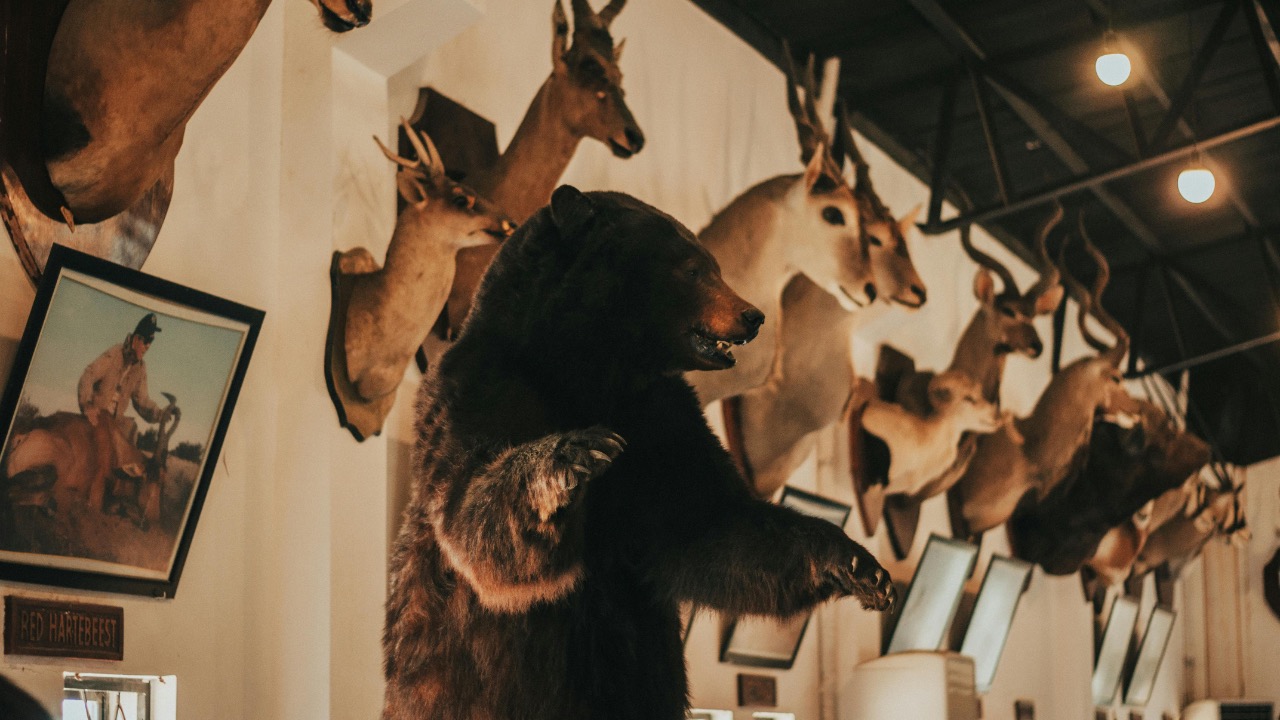
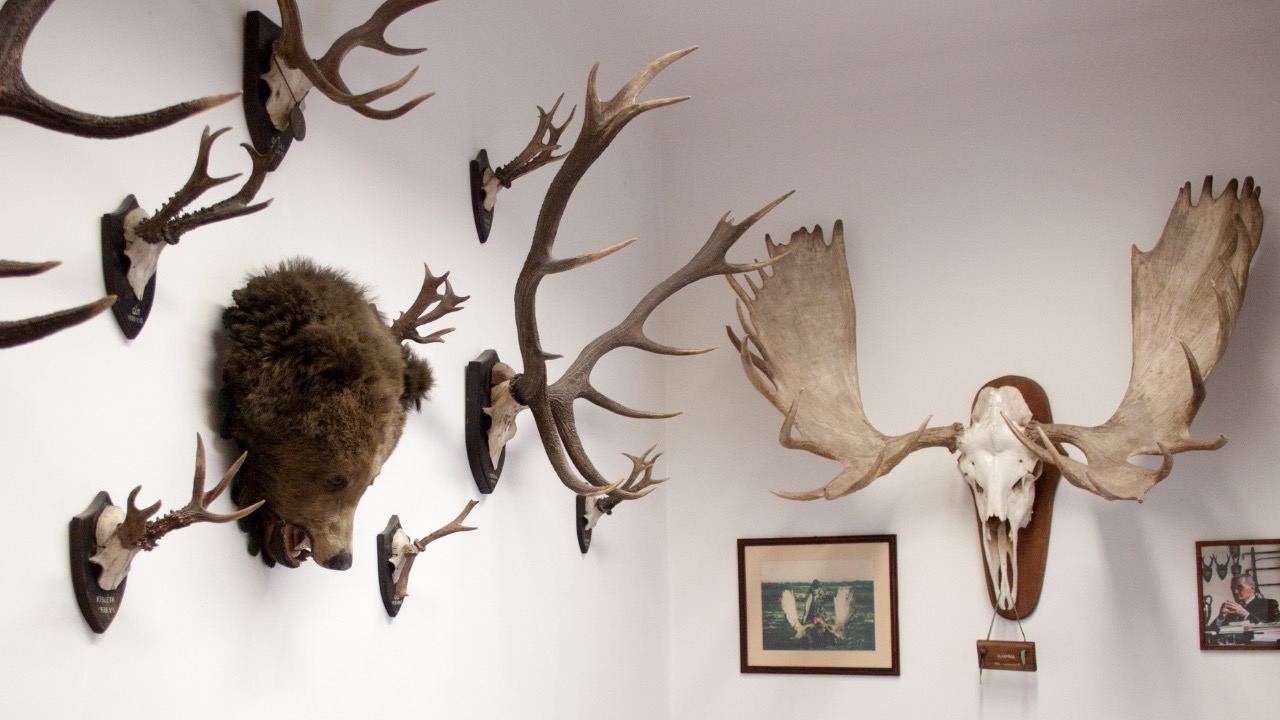
Out on the ground, the line between subsistence and trophy is not always as clean as ethicists would like. Browsing any number of hunting magazines, as one survey of public attitudes notes, shows that Browsing the racks reveals a heavy emphasis on big antlers and record books, even though the same piece reminds readers that hunting has deep roots in humanity’s survival and development. That tension plays out in living rooms too, where a deer taken for the freezer might also be measured for bragging rights.
Critics argue that when the main goal is a head on the wall, the moral ground shifts. A detailed critique of trophy hunting warns that in a Western social climate saturated with such images, Apr authors worry about moral desensitization and call for transparency about the motives behind hunts. Animal‑behavior researchers go further, arguing that “ethical hunting” can be an oxymoron because of the psychological stress and emotional lives of hunted animals, a point driven home in a Psychological critique of trophy hunting that focuses on larger‑bodied carnivores. When I look at subsistence hunts through that lens, the ethical defense rests heavily on need, respect, and restraint, not on pretending the animal’s suffering does not exist.
Public opinion, YouTube arguments, and the “ethical meat” claim
Out in the digital campfire of YouTube and Reddit, the hunting debate has turned into a running culture war. One video titled as a broad look at hunting’s impact on humanity opens by saying the topic “sparks some heated debates,” then walks through claims that hunting can either help or harm people depending on how it is practiced, a framing that mirrors the arguments in The Truth style content. Another creator, in a clip asking “so hunting is it ethical or not,” promises to unpack the top five arguments for and against, reflecting the way Sep channels try to boil a messy moral landscape into listicles.
On Reddit, vegans and hunters square off over whether wild meat is the most ethical source of food. One widely shared thread opens with “But here are issues with hunting,” then lists objections like “It’s unnecessary killing” and the claim that Crops can be harvested with less suffering. Pro‑hunting commenters fire back that factory farming is worse, pointing to arguments that Factory farming is notoriously cruel and that ethical hunting can provide organic, free‑range meat. A separate hunting‑education piece goes so far as to say that, Raising Livestock for from Hunting Wild Animals when you are harvesting animal protein, a claim that many animal‑rights advocates reject outright.
Conservation, Lyme disease, and the “necessary evil” argument
Beyond food, some hunters defend their seasons as a tool for conservation and public health. A long‑running debate in the Appalachians, for example, has centered on whether regulated hunting can reduce deer overpopulation and the spread of tick‑borne illnesses. One environmental analysis notes that hunting opponents argue that hunting is cruel and unnecessary, but that supporters see it as one way to address problems like Lyme disease in areas where predators have been extirpated.
Public opinion reflects that nuance. A regional feature on the hunting debate points out that some types of hunting “designed to secure the aggregate welfare” of wildlife or people may be morally justifiable while others may not, and it notes that approval of hunting among the Sep American public has shifted over time. Nationally, a recent scientific survey conducted by Mark Damien Duda found that American approval of hunting remains strong but conditional, with support dropping sharply when hunts are framed as trophy‑driven or wasteful. That conditional support is the political backdrop for any subsistence carve‑out: the public is more willing to accept killing when it clearly feeds people or protects ecosystems.
Law, enforcement, and the line between subsistence and poaching
Ethics do not mean much if they never make it into behavior, and that is where law and enforcement come in. In the whaling world, the IWC sets quotas for Aboriginal Subsistence Whaling, trying to match Indigenous nutritional needs with population data for whales. The same Civil Eats reporting on Indigenous whaling notes that the International Whaling Commission was created to regulate subsistence whaling and preserve species across the globe, a reminder that even “traditional” hunts are now embedded in global governance.
On land, game wardens and biologists face a different challenge: sorting legal subsistence from plain old poaching. A recent talk on “The Silent Majority” of ethical hunters urges viewers to “join me going forward to be more accountable for helping law enforcement,” noting that there are not enough officers to police every back road and that hunters need to report violations, a plea captured in the Sep video about ethics, poaching, and chronic wasting disease. Leave No Trace guidelines for hunters echo that, stressing that at its core, ethical hunting is about respect, and urging people to Respect Wildlife, Take only clean, humane shots, retrieve game promptly, and stay within legal seasons and limits. When subsistence hunters ignore those lines, they risk not only fines but the social license that keeps their way of life possible.
Where I land on subsistence ethics
After years of watching this debate, I have a hard time putting subsistence hunting in the same bucket as a fly‑in trophy trip. When an inland Balance and Redistribution system keeps elders fed, when a Makah crew takes a single whale under a quota set by international law, or when a northern family butchers a moose that will carry them through winter, I see a practice that is morally thick, tied up with language, land, and responsibility. That does not erase the animal’s suffering, but it does put the killing in a context that looks very different from a grip‑and‑grin photo in front of a chartered jet.
At the same time, I think subsistence hunters owe the rest of us, and the animals, a high bar. That means honoring Fair Chase as much as conditions allow, following the spirit as well as the letter of Fair chase ethics, and staying inside the legal frameworks that protect shared wildlife. It means listening seriously to moral critics who, like the analysts in Ethical debates, see hunting as a moral wrong rooted in love for animals. And it means being honest about motives. If the main draw is antlers, Instagram, or a record book, then calling the hunt “subsistence” is not an ethical shield, it is a fig leaf.

Asher was raised in the woods and on the water, and it shows. He’s logged more hours behind a rifle and under a heavy pack than most men twice his age.