Ten rookie hunting errors most people learn the hard way
Most new hunters are not undone by bad luck, they are tripped up by the same predictable errors that more experienced hunters quietly stopped making years ago. The difference between a miserable first season and a safe, productive one usually comes down to preparation, judgment and a willingness to learn from other people’s bruises instead of collecting your own. I want to walk through ten of the most common rookie mistakes so you can recognize them before they cost you an animal, a friendship or your safety.
Each of these pitfalls shows up across species and regions, whether you are chasing whitetails in hardwoods, ducks in flooded timber or hogs on a Texas lease. The details change, but the patterns do not: poor planning, sloppy shooting habits, impatience and a shaky understanding of animal behavior. If you can avoid these traps, you give yourself a far better chance of coming home with meat in the cooler and a story you actually want to tell.
1. Treating safety as an afterthought
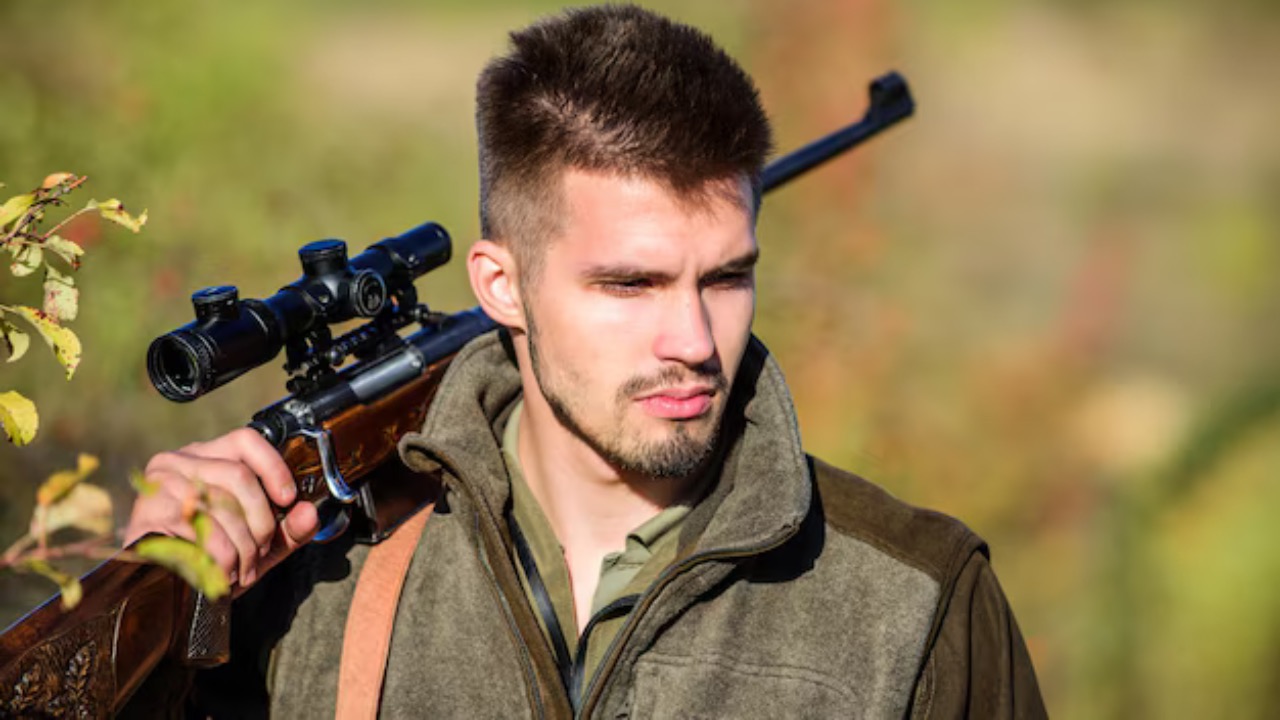
The most serious mistake I see beginners make is assuming that safety is something you “pick up” as you go, instead of a discipline you build before you ever load a firearm. The core rules are not optional: you Watch the muzzle, Keep it pointed in a safe direction, and Treat every firearm with the respect due a loaded gun, even when you are convinced it is empty. Those three commands, spelled out in the classic list of ten hunting rules, are simple enough for a child to memorize yet are ignored often enough that people are still injured and killed every season.
When investigators break down hunting incidents, they consistently find that most shootings fall into a few predictable categories. Training materials describe Four Main Causes of Hunting Incidents, including Hunter Judgment Mistakes such as failing to identify the target or swinging on game without checking what lies beyond, and they even quantify how often each type of error shows up in the record. That is why a formal hunter education course is so valuable: it forces you to confront real case studies instead of assuming you will “just know better.” I treat that classroom time as non‑negotiable, and I keep those safety commandments in my head every time I step off the road.
2. Skipping hunter education and legal homework
Another early misstep is assuming that a license and a borrowed rifle are all you need to be legal and ethical. In many states, especially for first‑time hunters, a certified course is mandatory before you can buy a tag, and even where it is not, the curriculum covers far more than firearm handling. Instructors walk through shot placement, blood trailing, basic survival and the kind of landowner etiquette that keeps access doors open instead of slammed shut. Outfitters who work with new clients stress that taking a hunter education course is the first box to tick, not an optional extra you can skip when you are busy.
Regulations are just as important as classroom training, and they are far more complex than a simple season date and bag limit. New hunters routinely get in trouble for using the wrong gear in restricted zones, misunderstanding tagging rules or assuming that what is legal on private land applies on public. Guides who see these problems every fall warn that common mistakes include using the wrong gear, showing up with inappropriate ammunition and ignoring local restrictions that are spelled out in the regulations if you take time to read them. I make a habit of printing or downloading the current rule book for my area and treating it like another piece of essential kit.
3. Using the wrong gear and not knowing your equipment
Even when a novice has the paperwork squared away, they often walk into the field with gear that is poorly matched to the hunt or completely unfamiliar in their hands. I have watched first‑timers arrive with brand‑new boots that have never touched dirt, only to end the day with blisters so bad they can barely walk. Others show up with a rifle they have never zeroed or a bow they have not tuned, then act surprised when their arrows hit a foot off target. Outfitters who specialize in new hunters point out that Using the Wrong Gear is one of the fastest ways to sabotage a trip, especially when clothing is not suited to the weather or terrain.
Even when the equipment is technically correct, failing to practice enough with your gun or bow is a classic rookie error. Seasoned deer managers note that You did not practice enough with your gun/bow is at the top of the list of early mistakes, right alongside You did not play the wind and You did not scout. Bow specialists add that the biggest bowhunting mistakes often come from poor shot execution under pressure, which is only exposed when you shoot from realistic hunting positions instead of a flat range. I try to run through my full setup, from climbing into a stand to drawing and shooting in bulky clothing, long before opening day so there are no surprises when a real animal steps into view.
4. Ignoring wind, access routes and stand location
New hunters tend to obsess over where animals feed and bed, but they underestimate how much their own presence shapes what those animals do. You can pick a textbook food source and still see nothing if your scent is blowing straight into it or your approach route cuts across the main trail. Deer specialists warn that You did not play the wind is one of the most common reasons a promising spot goes cold, and that mistake is often paired with noisy or exposed entry paths that educate every animal in the area. I have learned to treat wind direction as a go or no‑go decision, not a minor detail.
Stand placement magnifies those problems. Outfitters who coach beginners on whitetails describe Mistake #1: Poor Stand Location, where a hunter hangs a stand in a spot that looks good to human eyes but ignores how deer actually travel and use cover. They also caution against Taking Poor Access Routes and Executing Subpar Entry and Exit Strategies, noting that regardless of terrain and topography, a bad access plan will send your scent and noise through the very area you hope to hunt. When I pick a tree or blind location now, I start by mapping how I will get in and out with the wind in my favor, even if that means a longer walk or a less comfortable setup.
5. Moving too much, too soon and not trusting patience
Impatience is a quiet killer of opportunity. Many new hunters expect constant action and start fidgeting or climbing down the moment the woods feel “dead.” Yet experienced guides emphasize that Patience is one of the most valuable skills a hunter can have, especially when mature animals move cautiously and on their own schedule. Common hunting mistake lists highlight Switching Stands Too Early as a top error, because animals often show up just after a frustrated hunter has abandoned a location that was actually well chosen.
Movement is just as damaging as premature relocation. Deer managers point out that what you are doing at your stand location, from unnecessary motion to checking your phone, can be as important as where the stand is hung. Outfitters who see beginners on whitetail hunts warn that spending Too Much in the Stand is not the issue, it is moving too much in the stand, rattling gear and constantly adjusting that tips off sharp‑eyed animals. I have forced myself to treat a sit like a stakeout: once I am settled, I move slowly, glass deliberately and trust the plan instead of chasing instant feedback.
6. Misreading animal behavior and habitat
Another rookie trap is assuming that animals behave like they do on television or in social media clips, then being confused when real‑world deer, ducks or hogs do something entirely different. Whitetails, for example, shift patterns with pressure, food availability and breeding cycles, so a field that was hot last week can be empty today. Deer biologists who catalog rookie mistakes stress that You did not scout is a fundamental error, because without preseason observation you are guessing at travel routes and bedding areas instead of hunting them. I have learned that a few evenings behind binoculars can save days of frustration later.
Habitat misreads show up in waterfowl blinds as well. Inexperienced duck hunters often set up where it is convenient for them rather than where birds actually want to be, then blame their calling or ammunition when flocks slide out of range. Coaches who work with new waterfowlers list several rookie mistakes on a first duck hunt, including picking the wrong spot, failing to hide properly and not understanding how wind and sun position affect incoming birds. Across species, the pattern is the same: if you do not invest time in learning how animals use cover, food and wind, you end up educating them instead of intercepting them.
7. Overcalling, overshooting and taking bad shots
Once an animal finally appears, many first‑timers make things worse by doing too much instead of letting a good situation develop. In the deer woods, that can mean rattling or grunting nonstop, or trying to stop a moving buck with a loud noise at the wrong moment. In the duck marsh, it often looks like blowing a call on every passing bird, even when the flock is already turning. Waterfowl instructors note that on a first duck hunt, overcalling and shooting at birds that are too far are classic rookie errors that flare flocks and burn through shells without putting birds on the strap.
The same impulse shows up at the trigger. Bowhunting coaches who analyze the biggest bowhunting mistakes see a consistent pattern of taking marginal shots, especially at steep angles or through small gaps, because the hunter is afraid the animal will leave if they wait. Deer managers add that You did not practice enough with your gun/bow often leads to flinching, rushed shots and poor follow‑through when a buck finally steps out. I try to impose a simple rule on myself: if I would not take that shot on a paper target at the range, I have no business taking it on a living animal, no matter how big the rack or how long I have waited.
8. Neglecting comfort, weather and basic logistics
Some of the most avoidable mistakes have nothing to do with marksmanship or woodsmanship and everything to do with basic comfort and planning. New hunters frequently underestimate how quickly cold, wind or rain can sap their focus, especially when they are sitting still for hours. Gear checklists for common hunting mistakes repeatedly mention showing up with inadequate layers, no waterproof outer shell or cotton clothing that stays wet and cold. Once you are shivering, your patience evaporates, your shooting suffers and you are far more likely to climb down early or make a rushed decision just to get the day over with.
Logistics matter just as much. Outfitters who coach first‑time hunters warn that showing up late, forgetting essential items like headlamps or knives and failing to plan for meat care are all part of the same pattern of poor preparation. General hunting tip sheets on common hunting mistakes and how to avoid them emphasize simple fixes like packing spare batteries, extra gloves and a basic first‑aid kit, along with checking weather and wind before you leave home. I treat those mundane details as part of the hunt, not chores to be rushed through, because they are what allow you to stay in the field when conditions get tough instead of heading for the truck.

Leo’s been tracking game and tuning gear since he could stand upright. He’s sharp, driven, and knows how to keep things running when conditions turn.