Trump says Tuesday is final deadline to reach deal with Iran
Former President Donald Trump has declared Tuesday as his final deadline for Iran to accept a new deal aimed at ending the war in Gaza and reopening the Strait of Hormuz, tying the ultimatum to threats of severe retaliation if Tehran refuses. The standoff blends military brinkmanship, energy security fears, and domestic political theater, with both Washington and Tehran signaling they will not be seen as backing down.
As the deadline approaches, Iran has floated its own ceasefire proposal while publicly rejecting the latest American-backed plan, leaving diplomats scrambling to avert a direct confrontation and global markets bracing for potential disruption to one of the world’s most important oil chokepoints.
What happened
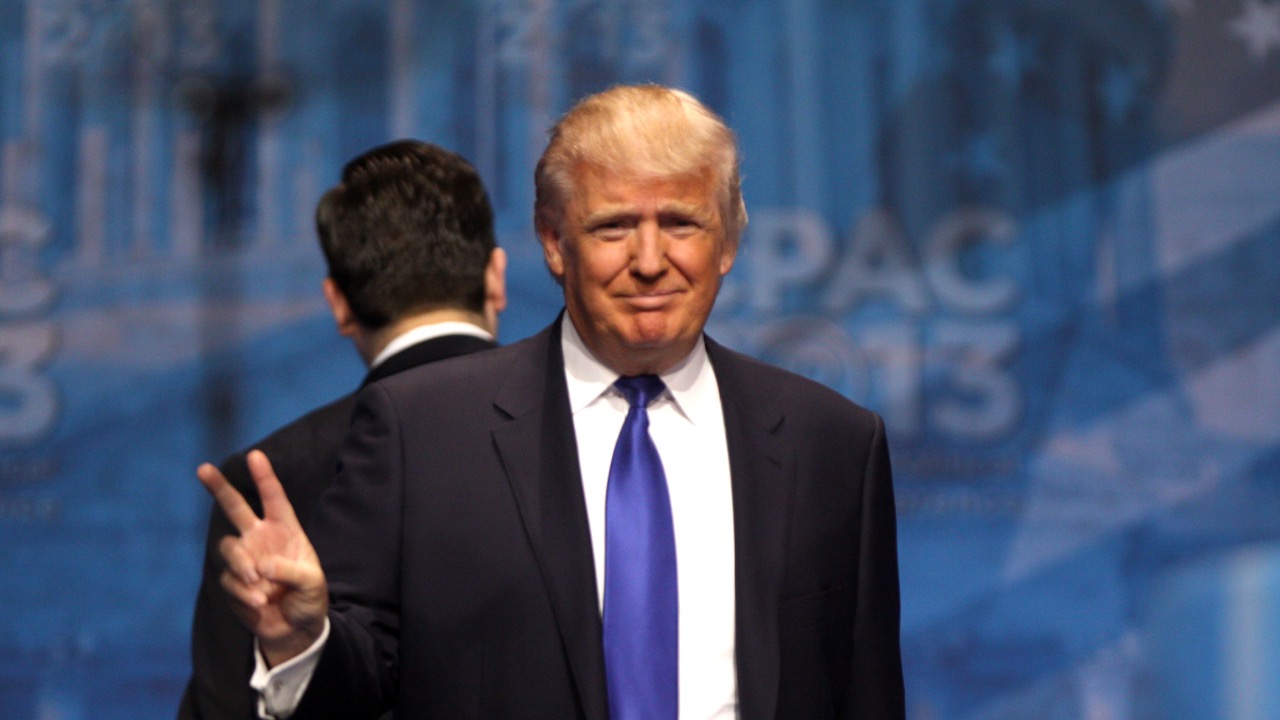
Trump has framed Tuesday as the last day for Iran to accept a package that couples a ceasefire in Gaza with steps to reopen the Strait of Hormuz to commercial shipping. Speaking to reporters, he said the deadline is “final” and warned that if Iran does not comply, it will face what he called “hell,” language that sharpened tensions around an already volatile standoff, according to U.S. officials.
The ultimatum is tied to a broader effort by the United States and regional partners to halt fighting in Gaza and secure maritime traffic through the Strait of Hormuz, where Iranian forces and allied militias have harassed tankers and threatened to choke off exports. Trump has insisted that any agreement must include both an end to major hostilities and guarantees that the waterway remains open, folding military, diplomatic, and economic demands into a single high-pressure timeline.
Iran, for its part, has not simply waited out the clock. Officials in Tehran have circulated their own proposal to end the war, which Iranian media has cast as a more balanced plan that protects Palestinian interests and limits foreign military presence. According to regional reporting, Iranian negotiators have pushed this alternative framework in talks with mediators, arguing that Washington’s approach is too one-sided and leaves Iran vulnerable to future pressure, a position reflected in accounts of Iran’s proposal.
Despite those diplomatic moves, Iran has publicly rejected the latest ceasefire terms backed by Trump. Iranian leaders have criticized what they describe as an ultimatum disguised as a peace plan, insisting that any ceasefire must address issues such as Israeli military operations, sanctions relief, and security guarantees for Iran’s allies. As the deadline neared, Tehran reiterated that it would not accept a deal that it sees as a capitulation, according to reports that Iran has rejected the ceasefire.
The latest American-backed proposal reportedly included a phased halt to fighting in Gaza, the release of certain detainees, and commitments on the flow of humanitarian aid, alongside security arrangements meant to deter further attacks on shipping. Iranian officials have objected to the sequencing and enforcement mechanisms, arguing that they would be expected to deliver immediate concessions while facing only vague promises on sanctions and regional de-escalation. Local coverage has described Tehran’s position as a firm “no” to the current text, with Iranian authorities signaling that they are prepared to ride out the deadline.
Inside the United States, the standoff has unfolded against a backdrop of domestic pressure on Trump to demonstrate strength abroad while managing economic anxieties at home. Members of his administration have highlighted the potential impact of a prolonged closure of the Strait of Hormuz on fuel prices, supply chains, and infrastructure projects that depend on stable energy costs. Policy briefings have warned that a shipping crisis could slow or derail parts of Trump’s agenda, a link that surfaced in discussions of the Iran deadline and its connection to infrastructure priorities.
Diplomatic channels have remained active despite the tough rhetoric. European governments, Gulf states, and intermediaries such as Qatar have reportedly carried messages between Washington and Tehran, exploring whether small adjustments to the ceasefire language or sequencing might be enough to bridge the gap. Yet as of Monday, both sides appeared entrenched, with Trump repeating that the deadline would not be extended and Iranian officials reiterating that they would not yield under threat, a dynamic reflected in accounts that Iran has rejected the latest.
Why it matters
The immediate stakes of Trump’s ultimatum are stark. If the deadline passes without a deal, the risk of direct confrontation between U.S. forces and Iran or its regional allies rises sharply, especially around the Strait of Hormuz. That narrow waterway handles a significant share of global oil shipments, and even limited clashes could send benchmark prices sharply higher, disrupt tanker routes, and inject new volatility into already sensitive energy markets.
Energy traders and shipping companies are already pricing in the possibility of escalation. Insurers have raised premiums for vessels transiting near Iranian waters, and some operators have considered rerouting or delaying cargoes to avoid potential flashpoints. A prolonged disruption could hit import-dependent economies in Asia and Europe particularly hard, while also driving up gasoline prices in the United States at a politically sensitive moment for Trump, who has repeatedly tied his foreign policy posture to promises of economic stability.
Beyond energy, the standoff affects the trajectory of the Gaza conflict and the broader regional balance. A U.S.-backed ceasefire that Iran accepts could reduce violence in Gaza, open space for humanitarian operations, and lower the temperature across multiple fronts where Iranian-aligned groups have engaged in rocket fire, drone attacks, and cross-border skirmishes. Conversely, a breakdown in talks could embolden hardliners on all sides who argue that only force can secure their interests.
For Iran’s leadership, the decision is not only about the specific terms of a ceasefire but also about credibility at home and abroad. Accepting a deal under explicit threat from Trump could be framed domestically as surrender, especially after years of sanctions, covert operations, and proxy clashes. The government in Tehran must weigh the economic and security benefits of de-escalation against the political cost of appearing to bow to American pressure, a calculation that helps explain its insistence on promoting its own alternative plan.
Trump’s posture also carries implications for U.S. alliances. Regional partners such as Saudi Arabia, the United Arab Emirates, and Israel are watching closely to see whether Washington follows through on its threats if Iran calls the bluff. A forceful American response could reassure some allies about U.S. resolve, but it could also drag them into a wider conflict or expose them to retaliation from Iran and its proxies. On the other hand, if Trump lets the deadline pass without meaningful action, critics in the region may question the reliability of U.S. security guarantees.
European governments face their own dilemma. Many have pushed for a diplomatic solution that preserves the chance of reviving some form of nuclear or security framework with Iran while limiting damage to global trade. They are wary of endorsing open-ended threats that could spark war, yet they also recognize that unchecked Iranian interference in maritime traffic undermines international norms. Their room for maneuver is constrained by domestic politics, transatlantic relations, and their dependence on stable energy flows.
Domestically, Trump’s handling of the crisis feeds directly into debates over his foreign policy doctrine. Supporters argue that clear red lines and a willingness to use force can deter adversaries and prevent drawn-out conflicts. Critics contend that public ultimatums and apocalyptic rhetoric such as promises of “hell” corner both sides and make compromise harder, increasing the likelihood of miscalculation. The outcome of this showdown will provide a concrete test of which view carries more weight.
The humanitarian dimension is just as significant. The ceasefire proposals on the table are not only about troop movements and shipping lanes but also about access for aid agencies, the flow of food and medicine into Gaza, and protections for civilians caught between armed groups and airstrikes. If talks collapse, the people who will feel the consequences most immediately are those living under bombardment or blockade, far from the podiums where ultimatums are issued.
The episode also illustrates how tightly linked regional conflicts have become. A dispute that began with fighting in Gaza has now entangled maritime security in the Strait of Hormuz, U.S. domestic infrastructure plans, and global energy markets. Trump’s decision to bundle these issues into a single deadline magnifies the potential payoff if a deal is reached, but it also raises the cost of failure, since a setback in one area could ripple quickly into others.
What to watch next
The first and most immediate question is whether either side softens its stance before the deadline expires. Even modest adjustments, such as clarifying enforcement mechanisms or altering the sequencing of steps in the ceasefire plan, could give both Washington and Tehran enough political cover to claim victory at home while stepping back from the brink. Observers will be watching for last-minute shuttle diplomacy by regional mediators and for any signs that Trump is open to technical tweaks that do not look like a formal extension.
If the deadline passes without agreement, attention will shift to how Trump chooses to respond. He has publicly ruled out another delay and has repeatedly threatened severe consequences if Iran does not comply, a posture that was reinforced when he described the outcome as “hell” for Tehran in remarks cited by U.S. officials. The range of possible actions spans from targeted strikes on Iranian assets or proxy forces, to expanded sanctions, to more aggressive naval operations aimed at ensuring freedom of navigation.
Iran’s response will be just as critical. Tehran could choose to test U.S. resolve by stepping up harassment of shipping or by allowing allied militias to escalate attacks on American or partner forces in the region. Alternatively, it might adopt a more calibrated approach, rejecting the deadline in public while quietly avoiding moves that would trigger a large-scale U.S. response. Statements from the Islamic Revolutionary Guard Corps and key political figures in Tehran in the hours after the deadline will offer early clues about which path Iran favors.
Markets will react in real time. Traders will watch for any reports of incidents near the Strait of Hormuz, changes in tanker traffic patterns, or announcements from major producers about contingency plans. A sharp spike in oil prices would increase pressure on both governments: on Trump to stabilize the situation quickly, and on Iran to avoid being blamed for a global economic shock that could deepen its own financial isolation.
Diplomatic efforts are unlikely to end even if the deadline technically expires. European and regional intermediaries have invested significant political capital in trying to craft a compromise, and they may continue to float revised language or confidence-building measures that could be adopted after a period of heightened tension. For example, a limited humanitarian truce in Gaza or a narrowly tailored maritime security arrangement in the Strait of Hormuz could serve as stepping stones to a broader deal, even if the original deadline is missed.

Leo’s been tracking game and tuning gear since he could stand upright. He’s sharp, driven, and knows how to keep things running when conditions turn.