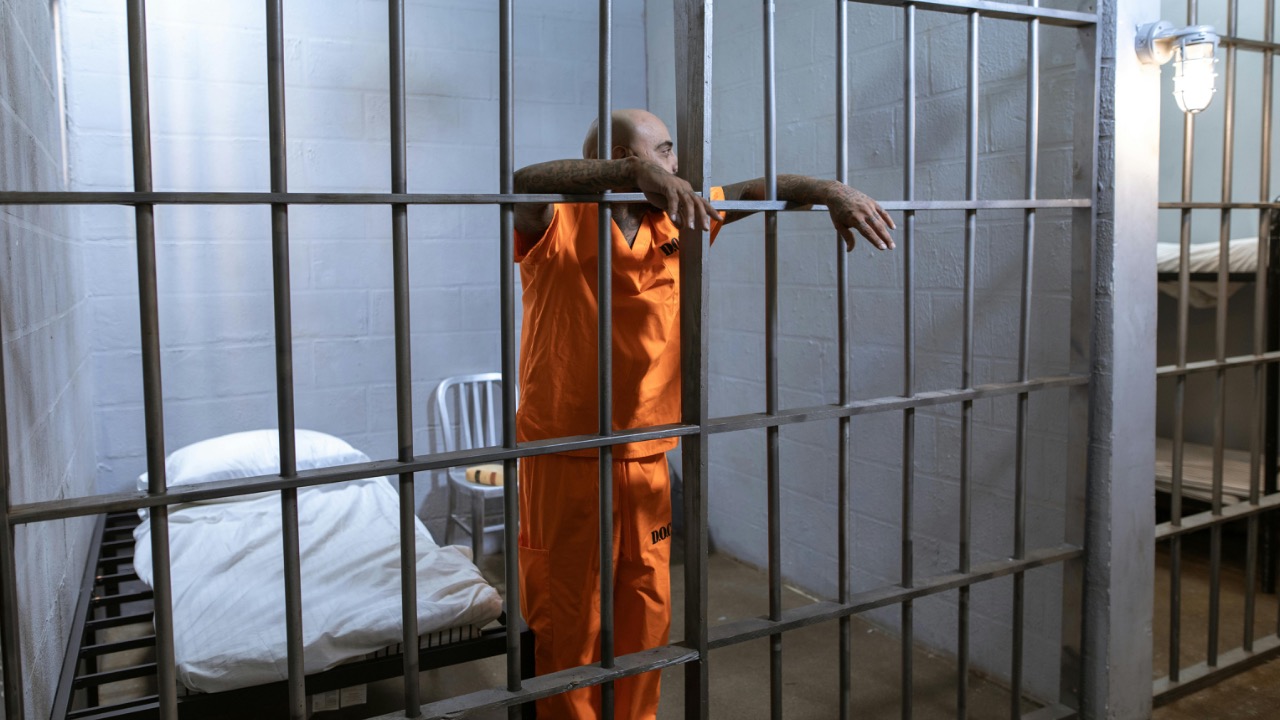
Texas carries out the first execution of 2026
Texas opened the nation’s execution calendar for 2026 by putting Charles Victor Thompson to death for the 1998 murders of his ex-girlfriend and her new partner in the Houston area. The case, rooted in a Harris County love triangle that turned lethal, has resurfaced long-running arguments over capital punishment, prison security, and the slow pace of appeals. As the first person executed in the United States this year, Thompson’s death is already shaping how advocates, officials, and families talk about justice and the future of the death penalty.
The first U.S. execution of 2026
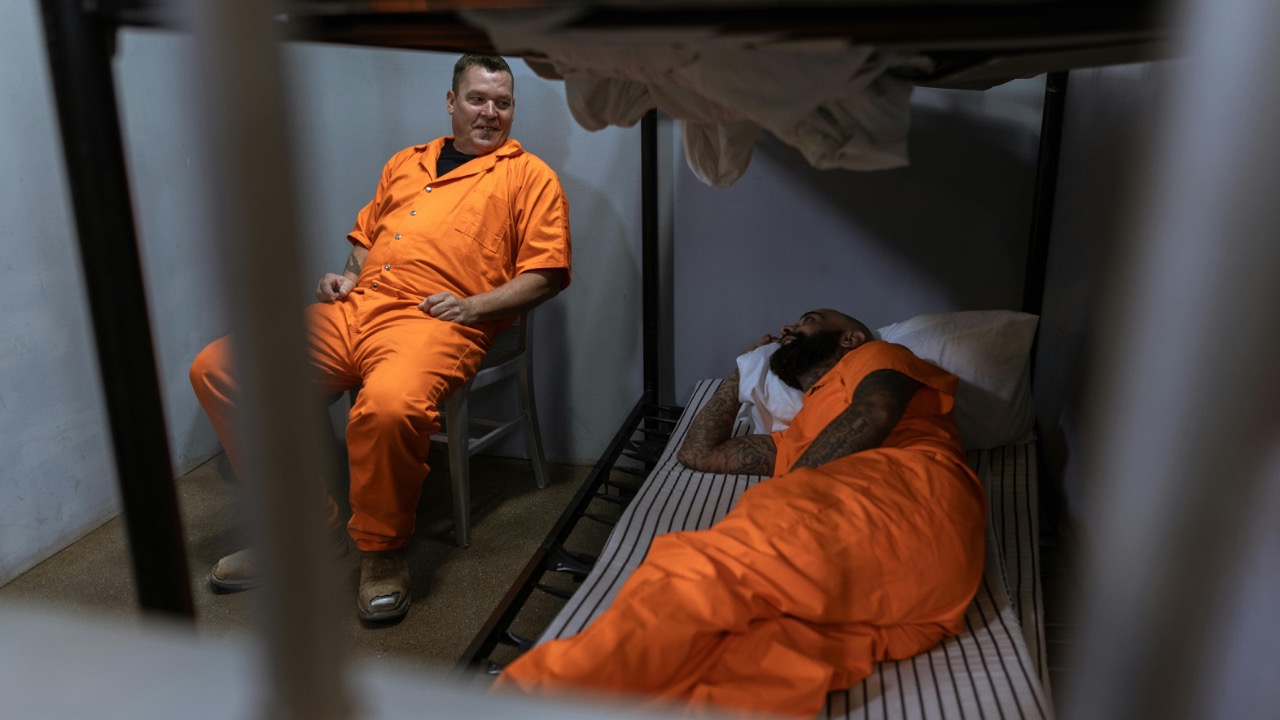
Texas, which has long led the country in capital punishment, again set the national tone by carrying out the first execution of the year. State officials confirmed that death row prisoner Charles Victor Thompson was put to death by lethal injection at the state’s execution chamber, making him the first person executed in the United States in 2026 and the first in Texas this year. Reporting from Houston described the execution as the opening act in what could again be one of the nation’s busiest death penalty states, even as other jurisdictions continue to pull back from capital punishment.
Accounts from the prison system and local coverage agree that Thompson’s execution proceeded without a last-minute reprieve, despite a flurry of legal filings in the days beforehand. One detailed report noted that he was pronounced dead at 6:50 PM Central time and that he was 55 at the time of his death, underscoring how long capital cases can linger before an execution is actually carried out. That same report emphasized that he died by lethal injection, the method Texas has relied on for decades, and that his case was being watched closely because it marked the first execution in the United States in 2026, not just the first in the state.
The Houston murders that put Thompson on death row
The crime that sent Thompson to death row began with a breakup and ended with a double killing in the Houston area. According to court records summarized in local criminal justice reporting, he was convicted of murdering his ex-girlfriend and her new boyfriend in 1998 after an earlier disturbance that had already drawn law enforcement attention. One Houston-focused account describes how the relationship between Thompson and his former partner deteriorated, culminating in a violent confrontation that left both the woman and her new partner dead, a sequence that prosecutors later framed as a calculated act of revenge rather than a spontaneous outburst.
Coverage of the case notes that the murders occurred in Harris County, a jurisdiction that has historically sent a significant number of people to death row. A detailed criminal justice profile of the case traces how investigators tied Thompson to the killings and how jurors were persuaded that the facts warranted a death sentence. Later summaries of the case, including national write-ups, consistently describe the victims as his ex-girlfriend and her new boyfriend, reinforcing the prosecution’s narrative that the murders were rooted in jealousy and control rather than a broader criminal enterprise.
From Harris County courtroom to death row
Thompson’s path from arrest to execution ran through the Harris County courts, which have long been central to the state’s capital punishment machinery. A focused look at the case notes that he was tried in a Harris County courtroom, where jurors heard evidence about the 1998 killings and ultimately sentenced him to death. Another report that zeroes in on the local angle refers to him as a Harris County man set for Texas’ first execution of 2026, underscoring how the county’s decisions decades earlier were still echoing in the state’s execution chamber this year.
Legal summaries explain that the jury’s decision rested on both the brutality of the murders and the state’s argument that Thompson posed an ongoing danger. A separate Houston-based piece on the case, framed around the state’s first execution of the year, notes that the trial and sentencing unfolded under the broader umbrella of Harris County criminal justice practices. Those practices, including the use of capital charges in domestic violence and intimate partner homicide cases, have drawn both praise from some victims’ advocates and criticism from reformers who argue that the county has relied too heavily on death sentences.
An escape, a manhunt, and an arrest in Louisiana
One of the most striking chapters in Thompson’s story came years after his conviction, when he briefly slipped out of state custody. In November 2005, he escaped from a Texas facility, triggering a multi-day manhunt that raised questions about prison security and the handling of high-risk inmates. A detailed account of that episode notes that Thompson’s escape sparked a three-day search involving multiple agencies before he was finally tracked down, a drama that added a new layer of notoriety to his case and likely influenced how officials viewed him in later parole and clemency discussions.
Authorities eventually found Thompson in Louisiana, where he was arrested while attempting to flee the country, according to a social media post that recapped the case and the public reaction to his execution. That same post, which highlighted how he was later arrested in Louisiana, captured how members of the public debated not only the escape but also the decades of appeals that followed. Another report on the first Texas execution of 2026 similarly notes that Thompson was found in Louisiana after the escape, reinforcing how that episode became a defining part of his public image.
Final hours and last words in the execution chamber
As the execution date approached, attention shifted to Thompson’s final hours and what he would say before the lethal drugs were administered. Witness accounts describe a man who addressed the families of his victims directly, asking for forgiveness and expressing a hope that they could begin to heal. One national report quotes him telling the victims’ relatives that he hoped they could find forgiveness in their hearts and start a new chapter, a statement that echoed through the chamber as the execution proceeded. Another account notes that he acknowledged the pain he had caused and referenced the long span of time since the murders, nearly three decades earlier.
Coverage of the execution also highlighted the precise timing and official details that mark the end of a capital case. A detailed national write-up notes that Thompson was pronounced dead at 6:50 PM Cent time and that he was 55 when he died, emphasizing the long arc from the 1998 murders to the 2026 execution. That same report explains that he died by lethal injection after all appeals were exhausted, and that he became the first person to be executed in the United States in 2026, a milestone that framed how both supporters and critics of the death penalty interpreted his final moments. Another piece focusing on the first Texas execution of the year describes how he used his last statement to address the victims’ families, aligning with the account that he asked for forgiveness before becoming the first execution of 2026.
Why this execution drew such intense attention
Thompson’s case did not unfold in a vacuum, and his execution drew outsized attention in Houston and beyond. A Houston-focused report framed the event under the banner “Texas Carries Out First Execution of 2026, Case Draws Attention in Houston,” noting that the combination of a double murder, a dramatic escape, and the symbolic weight of the year’s first execution made the case stand out. That piece also emphasized that Texas carried out the nation’s first execution of the year and that no court granted a stay, underscoring how the legal system ultimately cleared the way for the lethal injection despite ongoing debates about capital punishment.
Another local account, which described the first Texas execution of 2026 as involving a Houston double murderer, highlighted how the case resonated in the city where the crimes occurred. That report, attributed to By Steven Ardary and carried by FOX, pointed out that the execution involved a Houston man convicted of killing two people, reinforcing the local stakes. A separate Houston-focused site similarly framed the story as a major News event, noting that the case drew attention in Houston and that it was closely watched by both supporters of the death penalty and those who want Texas to reconsider its reliance on executions.
Texas, executions, and a shifting national landscape
Thompson’s execution also landed in the middle of a broader national conversation about the future of capital punishment. While some states have imposed moratoriums or abolished the death penalty outright, Texas continues to carry out executions and often conducts the first one of the year. A regional report that opened by noting that Texas carries out the first US execution of 2026 described how a man convicted of killing his ex-girlfriend and her partner in 1998 was put to death in HOUSTON, reinforcing the state’s reputation as the country’s most active death penalty jurisdiction. Another international-facing piece similarly reported that Texas death row inmate Charles Victor Thompson was convicted of murdering his ex-girlfriend and her partner in 1998, and that he was executed earlier this year, situating the case in a global context.
National coverage has also pointed out that Texas continues to schedule executions even as legal challenges mount in other states. One analysis of the first US execution of 2026 noted that several high-profile appeals loom over Texas’ death row, including the case of Robert Roberson, who was convicted of killing his daughter Nikki in 2002 and whose supporters argue that flawed forensic evidence played a role. That same piece, which framed Thompson’s execution as the first US execution of 2026, suggested that the state’s approach to capital punishment remains under scrutiny, particularly in cases where new science or questions about trial fairness have emerged. A separate Houston-focused report on how Texas Carries Out 2026 noted that the case drew attention in Houston partly because it unfolded against this backdrop of ongoing legal and political debate.
Victims’ families, public reaction, and the question of closure
For the families of the victims, Thompson’s execution reopened wounds that have been present since the late 1990s. A national report on the execution quoted his final statement, in which he said, “I hope the victim’s family, their extended family, and their loved ones can find forgiveness in their heart and that you can begin to heal,” directly addressing those who lost a daughter, a partner, and a friend. That same account, which focused on what people needed to know about the execution, emphasized that the families had waited decades for the sentence to be carried out, raising the question of whether an execution so long after the crime can truly provide closure.
Public reaction, captured in part through social media and local comment threads, reflected the deep divide over capital punishment. The social media post that recounted how Thompson was later arrested in Louisiana while attempting to flee the country also featured comments from people who argued that prison is a business, questioned why it takes so long to execute someone, or invoked religious ideas about forgiveness and “eye for an eye” justice. Another national piece on a Texas killer who asked victims’ families for forgiveness before becoming the first execution of 2026 noted that some observers saw his final words as a genuine attempt at remorse, while others focused on the brutality of the original crime and the fact that two more people were dead 28 years later. A separate Houston-focused report on the first Texas execution of 2026 as a Houston double murderer captured how the community weighed those competing narratives.

Leo’s been tracking game and tuning gear since he could stand upright. He’s sharp, driven, and knows how to keep things running when conditions turn.