What experienced shooters look for in a dependable handgun
Spend enough time around seasoned shooters and you’ll notice they don’t get distracted by marketing or trends. They’ve seen guns run hard, break, choke, and surprise them in both good and bad ways. A dependable handgun isn’t about brand loyalty or what’s popular at the moment. It comes down to how the gun behaves when it matters—cold hands, low light, bad angles, and no time to think.
When you’ve put in the reps, you start paying attention to details that newer shooters overlook. These aren’t flashy features. They’re the traits that hold up after thousands of rounds, long days on the range, and real-world carry. Here’s what experienced shooters actually look for.
Consistent Trigger From First Shot to Last
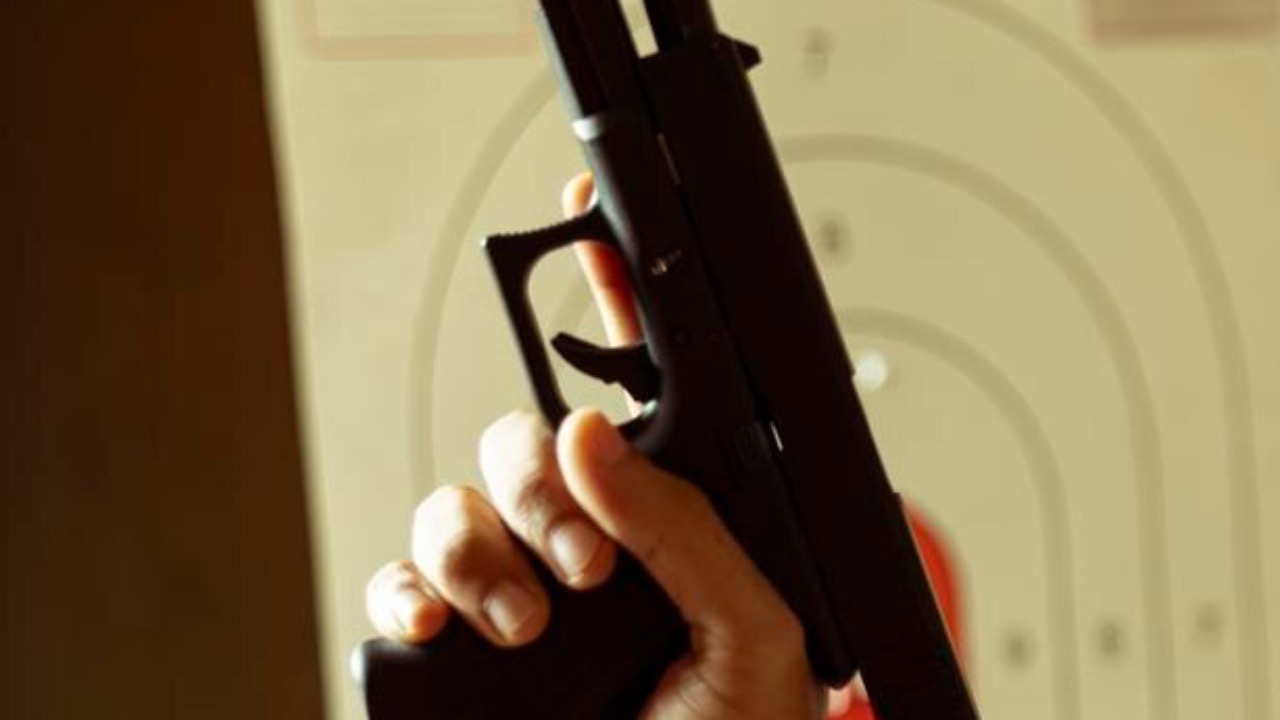
You notice pretty quickly that a dependable handgun needs a trigger you can predict. It doesn’t have to be light, but it has to break the same way every time. That consistency is what lets you press through without second-guessing.
When a trigger changes feel between shots or has an uneven reset, it slows you down. It forces you to think instead of react. Experienced shooters pay attention to how the trigger behaves under speed, not when you’re standing still at the bench. If it’s predictable, you can work with it. If it’s not, it becomes a liability over time.
Grip That Works With Your Hands, Not Against Them
Grip shape matters more than most people admit. A handgun can be mechanically perfect, but if it doesn’t sit right in your hand, you’ll fight it every shot.
You’re looking for a grip that naturally lines up the sights when you punch out. Not one that forces you to adjust your wrist or shift your fingers. Texture matters too, especially when your hands are sweaty or cold. Experienced shooters don’t chase aggressive patterns for the sake of it—they want control without chewing up their hands during long sessions.
Reliability With Common Ammunition
A dependable handgun doesn’t get picky about what you feed it. If it only runs well with a specific load, it’s already raising questions.
You want a gun that cycles common range ammo and your carry load without hesitation. Experienced shooters pay attention to how a handgun handles different bullet weights and profiles. If it chokes during basic drills, that problem won’t magically disappear when it matters. Reliability isn’t proven in theory—it’s proven over time with a variety of ammo.
Manageable Recoil That Keeps You on Target
Recoil isn’t about how hard the gun kicks. It’s about how quickly you can get it back on target. That’s where a dependable handgun separates itself.
You’re looking for a recoil impulse that tracks straight and doesn’t snap unpredictably. Some guns flip more than they should, even in manageable calibers. Others settle right back into your sight picture. Experienced shooters notice this right away, especially during controlled pairs or longer strings. A gun that stays flat helps you stay consistent without extra effort.
Sights You Can Actually Use Under Pressure
Fancy sights don’t mean much if you can’t pick them up quickly. Experienced shooters want something they can see clearly without hunting for it.
That usually means a clean front sight and a rear that doesn’t distract. High-visibility fronts, subdued rears—there’s a reason that setup keeps showing up. You’re not admiring the sights, you’re using them fast. In low light or awkward positions, complicated setups become a problem. Dependable handguns keep the sight picture straightforward and easy to track.
Controls That Don’t Get in Your Way
Controls should be easy to reach, but not so large that they cause problems. This is something you start noticing once you’ve run a gun hard.
Slide stops, magazine releases, and safeties need to be placed where you can hit them without shifting your grip too much. At the same time, they shouldn’t activate accidentally. Experienced shooters look for balance here. If a control causes unintentional slide locks or missed reloads, it becomes a source of frustration that shows up again and again.
Durability That Holds Up Over Time
A dependable handgun doesn’t feel dramatically different after a few thousand rounds. Wear is expected, but function should stay steady.
You’re paying attention to how the finish holds up, how the internals wear, and whether parts start loosening. Pins walking out, springs losing tension, or small failures early on are red flags. Experienced shooters value guns that keep running with basic maintenance. If it needs constant attention to stay functional, it’s not something you’ll trust long-term.
Ease of Maintenance and Parts Availability
At some point, every handgun needs maintenance. The easier it is to service, the more likely you’ll keep it running properly.
You’re looking for straightforward disassembly and widely available parts. If something breaks, you don’t want to hunt for months to fix it. Experienced shooters factor this in early. A dependable handgun isn’t only about performance—it’s about keeping that performance going without unnecessary hassle.
Magazine Reliability and Availability
Magazines are often the weak link, and experienced shooters know it. A great handgun with unreliable magazines becomes a problem fast.
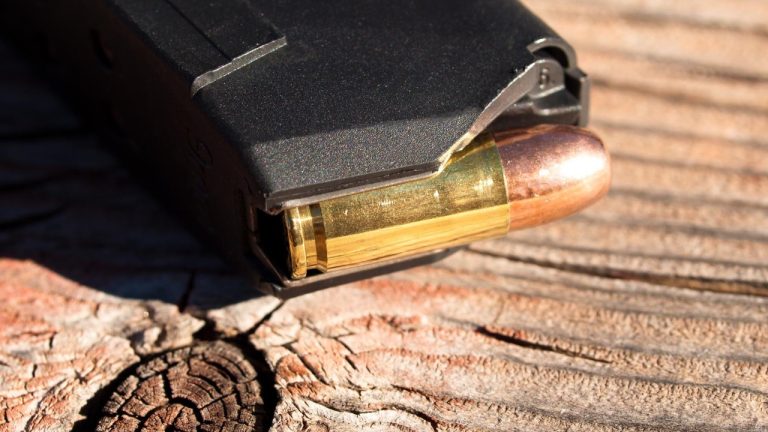
You’re looking for magazines that feed smoothly, drop free, and hold up to repeated use. Availability matters too. If you can’t easily find spares, training becomes limited. Over time, worn-out mags can cause failures that look like gun issues. Shooters who’ve been around know to judge the whole system, not only the firearm itself.
Balance Between Size and Shootability
There’s always a trade-off between concealment and control. Experienced shooters don’t chase the smallest option—they look for what they can shoot well under pressure.
A gun that’s too small can be hard to control, especially during rapid fire. One that’s too large might not carry well enough to be useful. You’re looking for that middle ground where the gun feels stable in your hands but still practical to carry. That balance matters more than any single feature when you’re choosing something dependable.
Performance When You’re Tired or Off Your Game
The real test of a handgun isn’t how it performs when everything is perfect. It’s how it behaves when you’re tired, distracted, or rushed.
Experienced shooters pay attention to this more than anything. If a gun becomes harder to control or less predictable as fatigue sets in, that shows up quickly during longer sessions. A dependable handgun keeps working with you, even when your fundamentals aren’t at their best. That kind of consistency is what separates a good range gun from one you’ll trust over time.

Asher was raised in the woods and on the water, and it shows. He’s logged more hours behind a rifle and under a heavy pack than most men twice his age.