Why first-time gun buyers often regret chasing deals
First-time gun buyers are entering a market where discounts, “doorbusters” and bundle deals are everywhere, yet the loudest voices in gun culture often talk about regret rather than satisfaction. The pattern is familiar: a low price or flashy promotion wins out over fit, reliability and long-term costs, and the new owner ends up with a firearm that lives in the safe or gets sold at a loss. The core problem is not that deals exist, but that inexperienced buyers are chasing them before they understand what they actually need.
In a space where safety, confidence and performance matter more than saving a quick hundred dollars, that kind of bargain hunting can backfire fast. I have seen how the same psychological traps that drive holiday impulse buys show up at the gun counter, only with higher stakes and more complicated gear. The result is a quiet epidemic of buyer’s remorse among new owners who discover too late that the “deal” they could not pass up was never a good match in the first place.
How “deal fever” hijacks first-time buyers
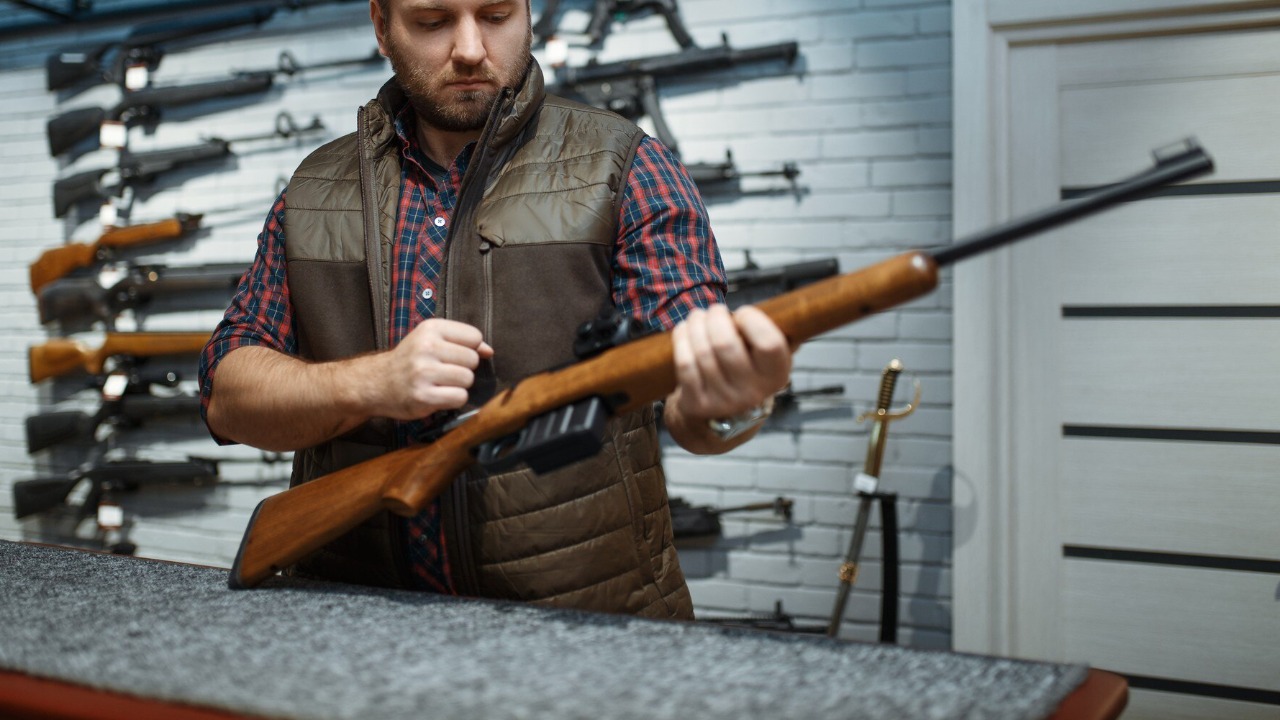
The first mistake many new owners make is treating a gun purchase like a flash sale on headphones. Retail psychology shows that BUYER and REMORSE are tightly linked when people judge a purchase on the thrill of the discount instead of how well it meets their needs, and Shoppers who chase the lowest sticker price often feel burned once the excitement fades and the product does not fit their actual use. When a firearm is bought in that mindset, the owner is more likely to notice every flaw, from awkward ergonomics to poor accuracy, and to compare it bitterly to the more expensive options they skipped earlier, especially When they realize the “savings” were small compared with the total cost of training, ammunition and accessories.
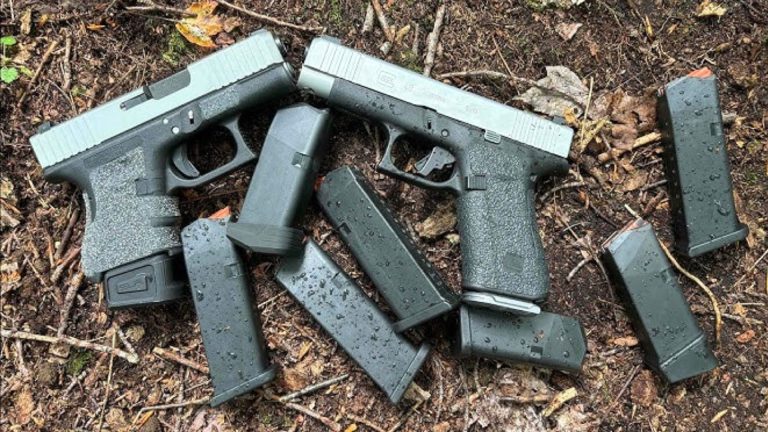
Inside gun culture, that pattern shows up in stories of people who walked into a shop with cash in hand and walked out with something they never really wanted. In one widely shared video, the creator Jul warns that Buying the wrong gun can leave you with more headaches than firepower, and he walks through specific handguns that consistently spark buyer’s remorse for new owners who chased a sale instead of doing homework. Another popular breakdown from Aug opens with the confession that “we’ve all been there,” describing how easy it is to let a discount override common sense and end up with a pistol that is too big, too snappy or too unreliable for its intended role, even if it looked like a steal at the time.
The AR “deal” trap and weird pricing games
Nowhere is this more obvious than in the entry-level AR market, where first-time rifle buyers are bombarded with “limited-time” offers and suspiciously low package prices. In one discussion about buying a first AR, a new owner asked if the advertised bargains were real or just hype, and the replies were blunt: some users argued that the promotions were not fake at all, and that They simply wanted the rifles to sell out before others caught on, while others warned that the cheapest builds often cut corners on barrels, triggers and quality control. For someone who has never assembled or shot an AR, it is almost impossible to tell whether a low price reflects genuine value or hidden compromises that will show up as malfunctions at the range.
Those concerns are amplified by what one thread described as weird pricing dynamics in the firearms industry, where the pricing environment can make “regular” prices feel like a trap and constant discounts look like the only smart move. In that conversation, a buyer noted that if you pay full retail for virtually anything, you will soon see it marked down, which encourages people to wait for sales and then pounce on whatever is cheapest rather than what is best. That kind of market conditioning, captured in the Feb discussion of how often guns and accessories are discounted, nudges first-time buyers toward chasing deals for their own sake, even when they would be better served by spending a little more on a rifle with a proven track record and better support.
Quantity over quality: the most common regret
Once someone has been in the gun world for a few years, a different pattern of regret emerges, and it is remarkably consistent: people wish they had bought fewer, better guns instead of a pile of “good deals.” In one candid thread about buyer’s remorse, a long-time owner described their Biggest overall regret as buying quantity over quality, admitting that they wasted a lot of time and money cycling through mediocre firearms before finally focusing on a smaller stable of well chosen pieces. That sentiment is echoed across forums where people tally up the cost of impulse buys, from budget pistols that never leave the safe to rifles that needed so many upgrades they ended up costing more than a premium model would have from the start.
Another discussion of regrets, covering sales, purchases and modifications, is full of similar stories, including one user who said they regret purchasing their first firearm from Cheaper Than Dirt because the low price came with poor service and a product that did not live up to expectations. In that Oct thread’s Comments Section, owners talk about how chasing discounts led them to guns that were hard to resell, platforms with limited aftermarket support, or models that felt fine in the store but turned out to be uncomfortable or unreliable after a few hundred rounds. The throughline is clear: the short-term satisfaction of snagging a bargain rarely compensates for years of living with a firearm that is not quite right.
Why shops stock guns they would not carry themselves
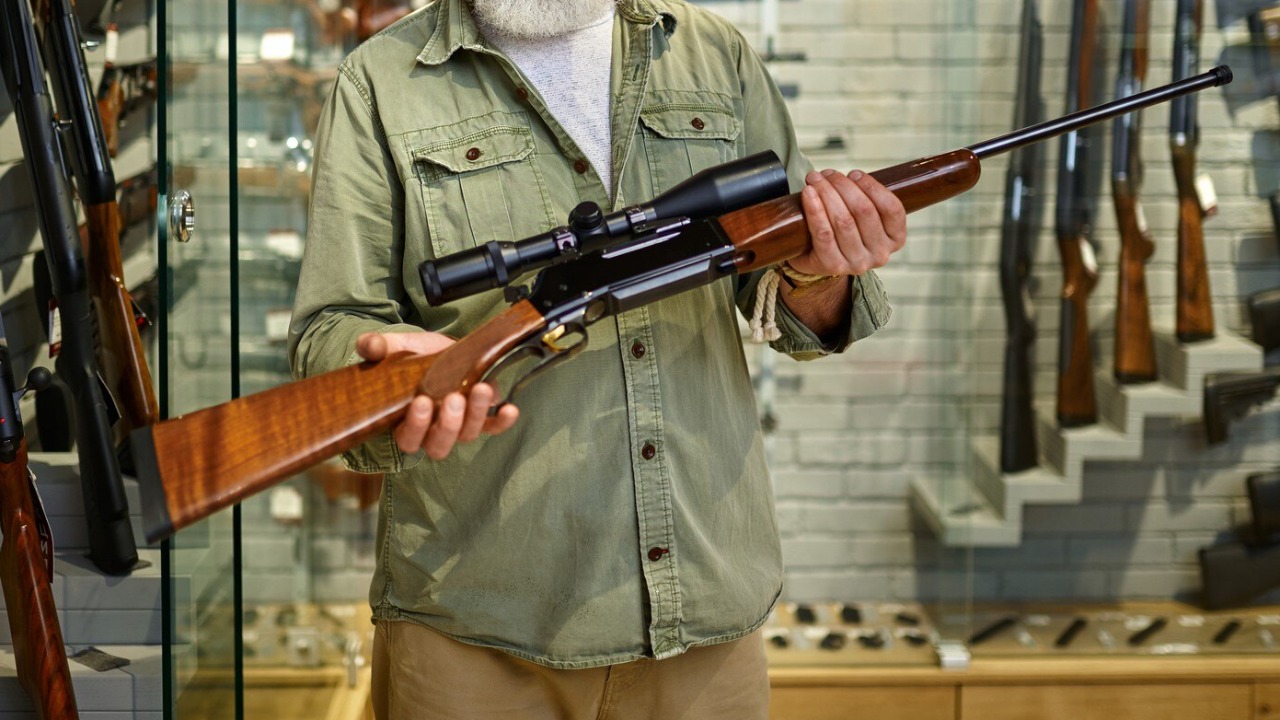
Some first-time buyers assume that if a gun is on the shelf, it must be a solid choice, but retailers operate under a different logic. In one widely read thread, a customer asked why gun shops carry so many models they do not actually recommend, and the answers pointed to a mix of consumer demand, distributor packages and the need to fill display cases. One commenter noted that they can understand why a shop owner would steer someone looking for a concealed carry pistol away from a large pistol like a Beretta 92fs, yet that same Beretta still sits in the case because it sells to other buyers who prioritize capacity, nostalgia or aesthetics over concealability.
That gap between what is stocked and what is truly recommended can be confusing for a first-time buyer who walks in with little more than a budget and a vague idea of “home defense.” Retailers may have to move slow sellers or capitalize on distributor incentives, so the guns that get pushed hardest are not always the ones that best fit a new owner’s hand size, recoil tolerance or intended use. In another conversation about buyer’s and seller’s remorse, one user remarked that they would rather have just one FAL than a safe full of ARs, a line that captures how experienced shooters often value a single, well chosen rifle over a collection built from whatever happened to be on sale. That Oct discussion of Buyers who wish they had made different choices underscores how relying on the display case instead of a clear personal checklist can lead to mismatches that only become obvious after the return window closes.
Fit, reliability and training beat any discount
Against that backdrop, experienced instructors keep repeating a simple message to first-time buyers: you only have one chance to make your first handgun purchase, so take your time. One guide aimed at new owners stresses that You should focus on choosing the best gun at the lowest price that still meets your needs, not the absolute cheapest option, and that you should never buy a handgun simply because you do not like to walk away from a deal. That advice reflects a broader consensus that ergonomics, trigger feel, recoil management and ease of maintenance matter far more than shaving a small percentage off the purchase price, especially for a defensive firearm that you may need to operate under stress.
Similarly, when selecting an everyday carry pistol, one detailed breakdown emphasizes that while malfunctions can happen in any scenario, you want a firearm that is widely supported, thoroughly tested and reliable before you ever pull the trigger on a purchase. That guide from Tulster explains how to select your EDC handgun by weighing factors like holster availability, parts support and track record, and it encourages buyers to rent and test multiple models before committing. The underlying message is that a gun you can shoot accurately, carry comfortably and maintain confidently is worth more than any doorbuster, and that the cost of extra range time and a quality holster will quickly dwarf whatever you saved by grabbing the cheapest pistol in the case.
The hidden costs of “cheap” guns and the value of the right gear
Even when a bargain firearm functions, the true cost often shows up in the accessories and upgrades it demands. One blog aimed at new shooters notes that Saving a hundred bucks may be worth a battle scar or two, but only if you are investing in a good gun to begin with, and it warns that cutting corners on the core platform can force you into a cycle of fixes and replacements. Just as important, the same post reminds readers that Just doing basic research on reputation, parts availability and user feedback can prevent a lot of frustration, since a slightly more expensive but well supported model will usually accept better sights, holsters and magazines without custom work.
Regret is not limited to guns themselves, either. In a discussion among liberal gun owners about what items or purchases they regret not getting earlier, one user joked that You can do backflips, cartwheels and try out for circus acts and that sucker is not going anywhere when describing a high quality belt they wished they had bought from the start. That Mar thread is full of similar realizations about slings, lights and safes, all of which highlight how first-time buyers often underinvest in the gear that makes a firearm safe and effective while overspending on the gun itself. The pattern mirrors broader consumer behavior, where people chase discounts on big-ticket items and then slowly realize that the real value lies in reliability, comfort and long-term usability rather than the initial price tag.
How to avoid becoming the next regret story
For a first-time buyer trying not to repeat these mistakes, the most practical step is to slow down and define the job you need the gun to do before you ever look at a sale flyer. That means deciding whether the priority is concealed carry, home defense, competition or hunting, then building a short list of models with strong reputations in that role and testing them if possible. In the same way that retail experts warn that Shoppers who focus on how well a purchase satisfies their needs are less likely to experience remorse, a new gun owner who starts with function and fit will be better insulated from the emotional pull of a “today only” discount that does not actually serve their goals.
Community experience can help sharpen that focus, but it should be filtered through your own requirements rather than treated as a scoreboard of brands and calibers. The threads on regrets, from the user who would trade a safe full of ARs for one FAL to the buyer who wishes they had never ordered from Cheaper Than Dirt, are valuable not because they tell you exactly what to buy, but because they map out the traps that others fell into when they chased deals instead of clarity. Combined with structured advice on first handguns, careful selection of an EDC pistol and a realistic view of industry pricing quirks, that collective wisdom points to a simple conclusion: the best “deal” for a first-time buyer is the gun that fits, runs and supports consistent training, even if it is not the cheapest option on the shelf.

Leo’s been tracking game and tuning gear since he could stand upright. He’s sharp, driven, and knows how to keep things running when conditions turn.