The difference between ethical shots and possible shots
Every hunter eventually faces a moment when a shot is technically possible but may not be morally acceptable. The gap between what a rifle, bow, or scope can do and what a hunter should ask of them is where the difference between ethical shots and merely possible shots really lives. That gap is defined by respect for wildlife, for the hunt, and for the responsibility that comes with pulling a trigger or releasing a string.
When I talk about ethical shooting, I am talking about more than marksmanship. I am talking about decisions that prioritize a quick, clean kill over personal ego, social media glory, or the temptation to test gear at the edge of its limits. Understanding that distinction is what separates a responsible hunter from someone who simply owns a weapon.
Ethics start where the law ends
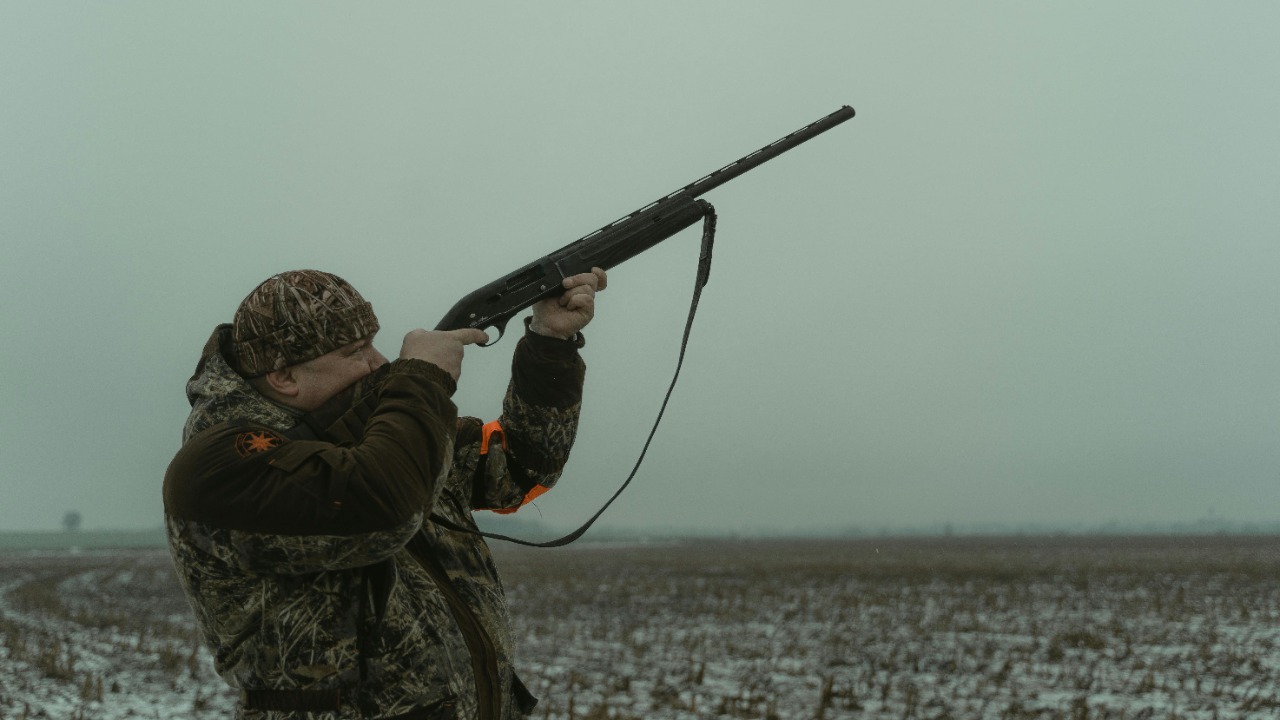
Ethical hunting begins with a simple premise: just because a shot is legal does not mean it is right. Regulations set the floor, not the ceiling, for behavior in the field. I see ethics as the layer on top, the part that asks whether a shot respects the animal, the land, and other hunters. Guidance that says Ethical Hunters Go Above and Beyond the Law captures that idea clearly: the standard is not simply avoiding tickets, it is leaving the woods better than I found them and treating game as a valuable natural resource, not a disposable target.
That broader view of ethics also includes fair chase and community norms. In one discussion of fair chase, hunters describe how a majority would consider high fence operations outside the bounds of ethical pursuit, even if they are technically allowed. That same mindset applies to shot selection: I might be able to thread a bullet through brush or stretch my range on a calm day, but if the odds of a clean kill drop and the risk of wounding rises, ethics demand that I pass.
Shot opportunity vs. shot placement
When I break down a shooting decision, I separate the chance to shoot from where that shot will land. Shot opportunity ethics are about whether the situation itself is acceptable: distance, wind, animal behavior, and my own readiness. Shot placement ethics are about anatomy and angles, and they do not change from hunter to hunter. One detailed look at Shot Placement Ethics makes the point that no matter the weapon or the person, the vital zone is the same and the goal is always a lethal hit to heart and lungs.
Some scenarios are so favorable that they are widely accepted as high odds. For bowhunters, guidance on Obviously ethical shots highlights a broadside or slightly quartering-away deer at close range, with the aiming point just behind the opposite front leg. In that situation, both opportunity and placement line up: the angle exposes the heart-lung area, the distance is manageable, and the animal is calm. Contrast that with a frontal or hard quartering-to angle at long range, where even a tiny error can lead to a gut shot. The second scenario might be physically possible, but ethically it is a very different proposition.
Where the bullet or arrow should go
Ethical shooting is inseparable from anatomy. I cannot claim to be acting responsibly if I do not know exactly what I am trying to hit. For deer and similar game, multiple guides agree that the highest percentage shot targets the heart-lung area tucked behind the front shoulder. One detailed placement chart explains that the best place to shoot a deer with either weapon is the vital zone just behind the shoulder, and that risky neck or head shots should be avoided, a point laid out clearly in a shot placement guide.
That same principle shows up in basic hunter education. Training materials describe the broadside angle as the preferred presentation for both firearm and bow hunters because it exposes the largest target area of vital organs. When an animal stands broadside, the bullet or arrow can pass through the lungs and often the heart, maximizing lethality and minimizing suffering, which is why the broadside shot angle is taught as the gold standard. Even more granular advice on where to hold on a deer reinforces that I should aim for the chest cavity, not chase cinematic head shots, a message echoed in a practical tip on where to shoot a deer.
Long range: possible vs responsible
Nothing exposes the gap between possible and ethical quite like long range shooting. Modern rifles, optics, and rangefinders make it tempting to treat distant animals as steel targets, but the further a shot travels, the more variables stack up: wind, angle, animal movement, and my own stress. One influential conservation group has gone so far as to publish a formal position statement on long range shooting, warning that extreme distance shots can undermine fair chase and increase wounding losses, especially when hunters rely on ballistics charts instead of field-proven skill.
Even among hunters who embrace technology, there is a recognition that practice must match ambition. Advice for rifle shooters suggests that if a range offers 200 and 300-yard lanes, I should be drilling at those distances regularly, and if my home range only reaches 100 yards, my ethical limit in the field should reflect that constraint. The point is blunt in one guide to long range hunting: my maximum range is not what the rifle can do on paper, it is the distance at which I can repeatedly hit a vital-sized target under realistic conditions. A separate analysis of maximum range for firearms drives the same message home, arguing that the farthest ethical shot is limited by my ability to account for wind, drop, and animal behavior, not by marketing claims, a point underscored in a cautionary look at your maximum range.
Bowhunting and the ethics of distance
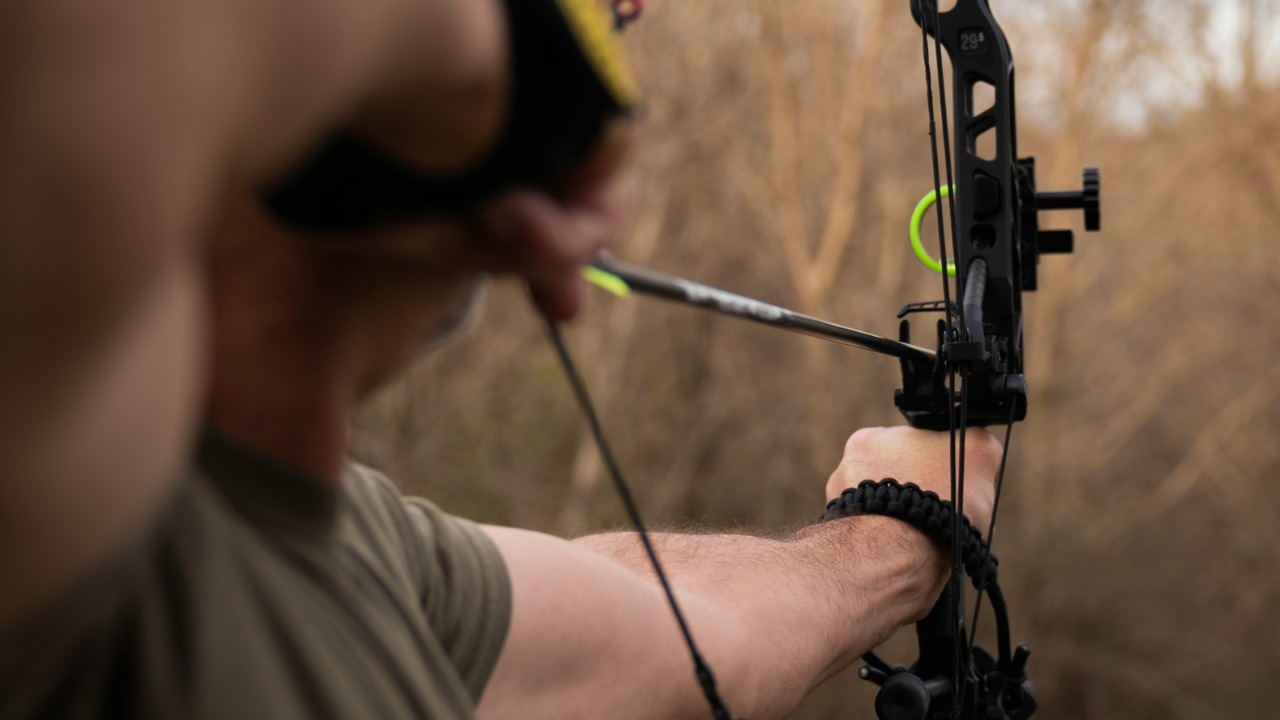
For bowhunters, the distance debate is even more charged, because arrows lose energy quickly and animals have more time to react. Some archers argue that long shots can be ethical in the right hands, while others insist that anything beyond a modest yardage is irresponsible. One reflective piece on long distance archery shots notes that the very word ethics can be as elusive as a 200-inch whitetail buck, and asks how anyone can define exactly what qualifies a shot as ethical, a question raised directly in a Jan feature on long distance bowhunting.
Other bowhunters push back against rigid yardage rules but still stress realism. One veteran archer rejects the idea that longer shots are always wrong or should never be taken, and says he does not adhere to what Chuck Adams la reportedly promoted as a strict limit, arguing instead that conditions and shooter ability matter more than a single number, a view laid out in a candid look at whether long range bowhunting shots are ethical. Everyday hunters echo that nuance in forums, where one archer explains that the terrain where he hunts limits him to about 30 yard shots and that this is probably his max ethical kill range, while also acknowledging that there is no right or wrong answer and that each person must be honest about their ability to close the deal, a sentiment captured in a discussion of ethical shooting distance.
Skill, preparation, and the human factor
At the center of every ethical decision is the hunter, not the hardware. A rifle with a dialed turret or a bow with a calibrated sight does not make a shot ethical if I have not put in the work. In one Comments Section on ethical versus unethical shooting, hunters emphasize that a responsible shooter knows their firearm of choice and is familiar and comfortable with its capabilities. That means practicing from field positions, understanding how adrenaline affects aim, and recognizing that a benchrest group at the range is not the same as a hurried shot after a long hike.
Preparation also includes safety habits that keep everyone around me out of harm’s way. Before I ever worry about whether a shot is ethical for the animal, I have to be certain it is safe for people and property. Training videos that walk through loading and unloading procedures stress the importance of repetition, urging hunters to Turn best practices into muscle memory and Use the same process every time, advice that is central to a step by step safety checklist. That same discipline should carry over to shot selection: if I have not rehearsed a scenario in practice, the field is not the place to experiment.
Drawing the line in real time
Ethical decisions rarely arrive with a clear label. They show up as a buck slipping through timber at last light, an elk feeding across a canyon, or a doe quartering toward me at a distance I have never tried before. In those moments, I rely on a mental checklist shaped by both formal instruction and hard won experience. One thoughtful exploration of What is an ethical shot walks through hypothetical scenarios and notes that many unethical shots are the ones that push limits on distance, angle, or visibility, especially when the hunter is motivated by pressure or impatience rather than confidence.
To keep myself honest, I try to separate the unchanging rules from the situational ones. Shot placement ethics do not move: the heart and lungs are always the target, and marginal hits are never acceptable. Shot opportunity ethics, by contrast, flex with conditions, but they still have boundaries. A more detailed breakdown of Shot Opportunity Ethics explains that while each hunter’s maximum range or tolerance for wind may differ, the underlying responsibility to avoid low percentage chances does not. When I combine that framework with the anatomical guidance, fair chase principles, and community standards described above, the line between ethical shots and merely possible ones becomes much clearer, even when the animal of a lifetime steps into view.

Leo’s been tracking game and tuning gear since he could stand upright. He’s sharp, driven, and knows how to keep things running when conditions turn.