The growing problem wildlife officials say most people ignore
Across the globe, wild animals are colliding with human ambitions in ways that are far more routine, and far more dangerous, than most people care to admit. Headlines may focus on spectacular poaching busts or a single bear that wanders into a suburb, but wildlife officials and researchers describe a slower, more pervasive crisis driven by daily human behavior.
The growing problem they say most people ignore is not an isolated threat, but a web of small choices that collectively push animals toward conflict, injury, and decline.
Wildlife under pressure long before a crisis call
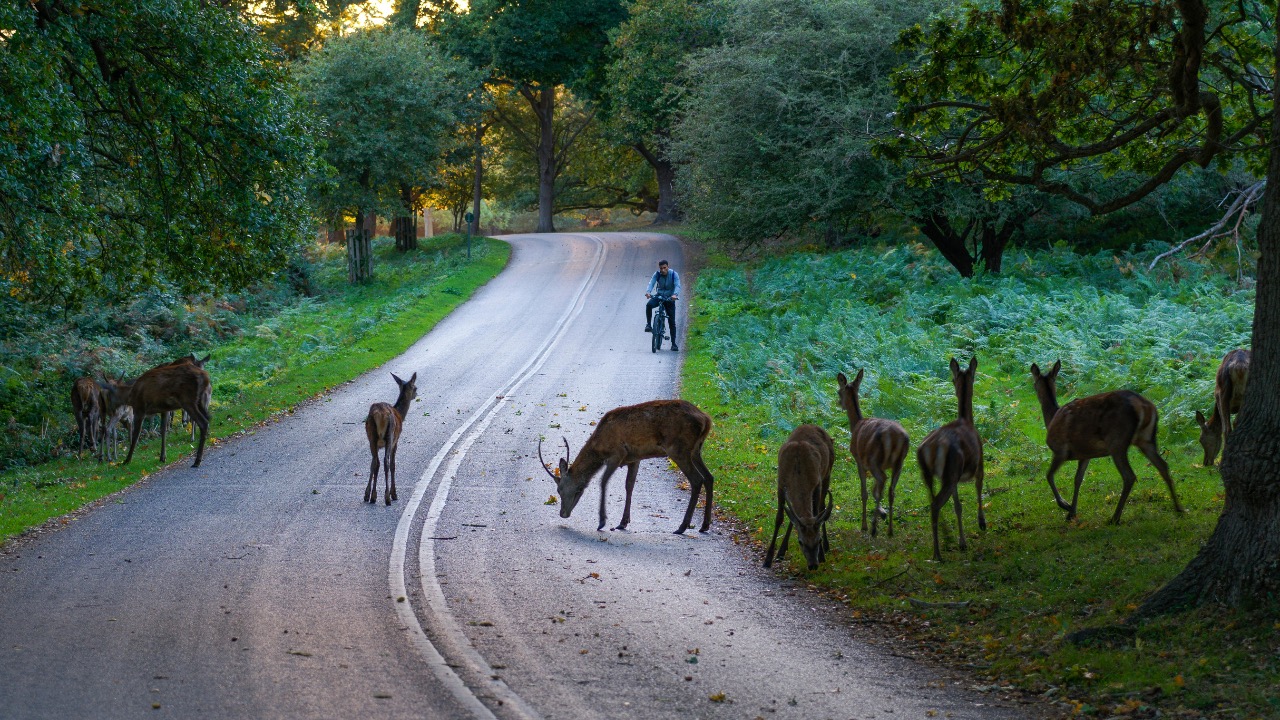
Long before an animal shows up injured on a roadside or in a backyard, the pressures start with disappearing habitat. Researchers warn that the demand for wildlife rescue support is being driven by habitat destruction and a rising tide of disasters, a pattern described in detail by Mar in a report that also highlights how some officials resist treating it as a national crisis. As forests are cleared, wetlands drained, and coastlines developed, animals are left with fewer safe places to feed, breed, and migrate.
Those same pressures intensify when extreme weather and fires, tracked by platforms such as Discovered through climate data, hit already fragmented landscapes. Rescue centers then see the fallout in the form of burned, flooded, and displaced animals. Yet the public often engages only at the final stage, when a dramatic video or social media post surfaces, rather than acknowledging the upstream choices that made the emergency likely.
Human disturbance as the leading cause of harm
For wildlife rehabilitators, the pattern is quantifiable. A North American study of admissions to wildlife hospitals found that 40 percent of animals were sent to rehab centers because of injuries classified under the category of human disturbance. That category covers everything from vehicle strikes and window collisions to pets attacking wild animals and people handling or capturing them.
Such incidents are not unavoidable accidents. They stem from decisions to drive faster through migration corridors, to let cats roam at night, or to clear brush that once shielded nesting sites. Each case looks isolated, yet the numbers show a systemic pattern of harm. When wildlife officials talk about preventable injuries, this is what they mean: everyday behavior that consistently pushes animals into danger.
Closer contact, more conflict
As cities expand and infrastructure cuts into wild lands, the line between human and animal space grows thin. In India, researchers describe how human infrastructure has continued to encroach further onto formerly wild lands, and how the number of conflicts between people and elephants has climbed as those elephants wander into villages in search of water and food, a trend detailed by In India. Similar clashes play out with big cats, primates, and other large mammals that once had room to roam.
Climate stress adds another layer. From whales colliding with ships to elephants entering fields during drought, climate impacts have made human wildlife conflict more frequent and severe, as documented in an analysis of animal human conflict. As water sources dry up or move, animals follow, often straight into ports, farms, and towns that were built without them in mind.
When people move into bear country
Few examples capture public denial as clearly as the reaction to large carnivores. In one California community discussion, a resident described how a BEAR acts like a bear, and suddenly it is treated as a problem that needs to be eliminated. The same post points out that you move into wildlife territory, see bears routinely using their traditional routes, and then call for them to be trapped or killed when they raid unsecured trash or fruit trees.
Wildlife officials repeatedly stress that these animals are not invading suburbs in a moral sense. They are following food sources and travel corridors that existed long before the latest cul-de-sac. The real shift is human, not ursine: people who choose to live in or near wild habitat yet refuse to adapt their waste management, pet care, or expectations about occasional encounters.
Feeding wildlife and the trash problem
One of the most persistent and underestimated drivers of conflict is food. The National Park Service warns about the Dangers of Eating Trash for wild animals. Whether visitors offer scraps and crumbs to birds and other wildlife or simply forget to secure their garbage, animals quickly learn to associate people with easy calories.
That conditioning alters natural behavior. Animals that become habituated to human food lose their wariness, approach roads and campsites more often, and are far more likely to be hit by cars or euthanized as safety risks. Officials describe this as a slow, preventable tragedy: a squirrel fed from a picnic table, a raccoon rewarded for raiding a dumpster, a bear that graduates from bird feeders to kitchen doors.
The selfie problem in parks
Despite clear rules, people still approach wildlife in parks for photos and close encounters. Rangers describe how visitors ignore signs and instructions that say to never approach wildlife, often so they can take a selfie or get a better look, behavior explored in depth in coverage of why Aug visitors keep crossing that line.
Research on national parks in the United States shows that even with frequent human presence, animals still work hard to avoid people. One study evaluated GPS collar data for 229 animals from 10 species across 14 national parks and found that they shifted their activity patterns to stay away from humans. When tourists push into their space anyway, that avoidance becomes harder, and the risk of injury on both sides climbs.
Hidden crime and the $20 billion black market
Beyond visible conflicts, there is a quieter, organized threat. Wildlife crime researcher and security specialist Monique Sosnowski studies animal trafficking, poaching, and black market networks that operate largely out of public view. These networks move everything from live reptiles and songbirds to ivory and exotic pets, often exploiting weak regulations and limited enforcement capacity.
Wildlife Conservation Society executive vice president John F. Calvelli has described wildlife trafficking as a $20B a year business, and he has linked enforcement gaps to broader national security concerns through agencies such as DHS. Yet for most people, this criminal economy remains abstract, despite its direct role in emptying forests and driving species toward extinction.
Legal practices that normalize killing
Even where trafficking is illegal, other forms of killing remain socially accepted. In one example, Massachusetts advocates have highlighted how Arizona decided in 2019 to put an end to organized wildlife killing contests. The Arizona Game and Fish Commission voted to ban events that rewarded participants for killing coyotes and other predators for prizes.
Supporters of the ban argue that such contests treat wild animals as disposable targets and send a message that some species are vermin rather than part of an ecological community. Wildlife officials who oppose these events point to the disconnect between public outrage when a charismatic animal is killed and public indifference when structured contests encourage mass killing that is legal but ethically fraught.
Global decline and why officials call it security risk
Zoomed out, the pattern is stark. WWF reports that Average wildlife population sizes declined by 73% in 50 years, with Latin American and Caribbean species falling by 95% since 1970. Analysts warn that tipping points in biodiversity loss pose grave threats to humanity, from food security to disease control.
Some officials now frame invasive species and ecological disruption as a matter of national security. In one account, Officials described dangerous creatures spreading across the United States as a threat serious enough to warrant that label, with reporter Christine Dulion and anchor Fri highlighting how slow policy responses can be. The argument is simple: when ecosystems unravel, the consequences do not stay in the woods or the ocean. They reach supply chains, public health, and critical infrastructure.

Asher was raised in the woods and on the water, and it shows. He’s logged more hours behind a rifle and under a heavy pack than most men twice his age.