The handguns that failed to live up to the hype
If you’ve spent enough time around gun counters, range benches, and late-night gear talk, you’ve seen it happen. A pistol shows up with sharp marketing, slick photos, and a lot of promises. Everybody talks about the trigger, the ergonomics, or some new operating system that’s supposed to change everything. Then the guns actually hit holsters and firing lines, and reality starts doing what it always does.
Some handguns earn their reputation over years of hard use. Others come out swinging, grab attention fast, and then leave owners wondering what they paid for. These are some of the handguns that came in with serious momentum but struggled to match what shooters expected once the round count started climbing.
Remington R51
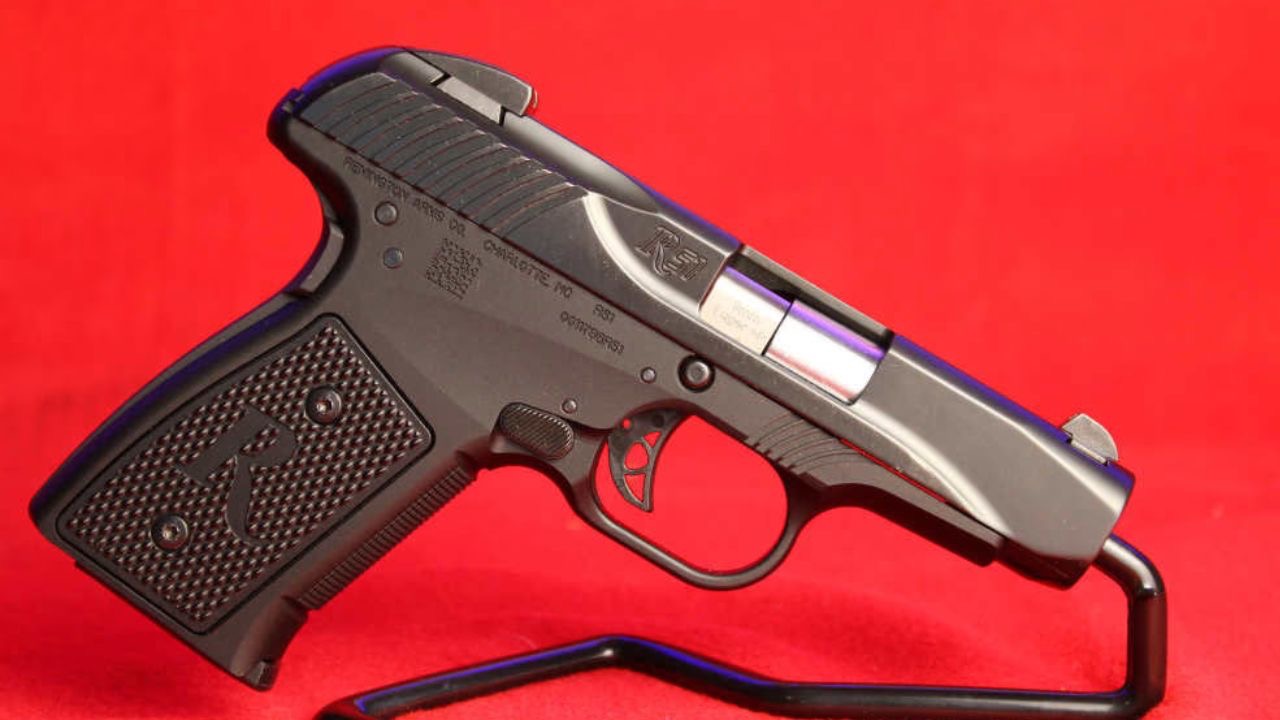
When the Remington R51 was announced, a lot of shooters were interested. It had classic lines, a slim profile, and a design that looked different from nearly everything else in the concealed-carry market. On paper, it checked boxes that mattered. American-made, compact, and built around an old Pedersen-inspired action that had real history behind it.
Then shooters started putting rounds through them. Reports of failures to feed, extraction issues, rough machining, and magazines dropping free started showing up almost immediately. Remington eventually launched an exchange program after early production problems became impossible to ignore. For many buyers, the damage to its reputation was already done.
Hudson H9
The Hudson H9 had one of the most talked-about launches in recent handgun memory. It looked like somebody took the best parts of a 1911 and blended them with modern striker-fired features. Low bore axis, steel frame, excellent balance—shooters paid attention fast.
Once people started buying them, the cracks began to show. Some owners ran them hard without trouble, but others reported parts breakage, inconsistent reliability, and spotty factory support. The bigger issue wasn’t always the pistol itself—it was the company behind it. Hudson went under not long after launch, leaving owners with an expensive gun and a lot of uncertainty about parts, service, and long-term support.
SIG Sauer P320
Few pistols have had a rise like the SIG Sauer P320. It landed military contracts, law-enforcement deals, and strong commercial sales. The modular fire-control unit made it stand out, and plenty of shooters genuinely liked how it handled.
But the platform also drew serious scrutiny after drop-safety concerns surfaced in 2017, leading SIG to offer a voluntary upgrade program. Since then, lawsuits and public debate have kept the pistol under a microscope. Plenty of owners still trust theirs and run them hard, but for a handgun that entered the market with so much momentum, the controversy changed how many shooters viewed it.
Kimber Solo
The Kimber Solo looked like it had everything going for it. It was compact, easy on the eyes, and carried a premium badge that many shooters already respected from the company’s 1911 line. For concealed carry, it looked like a serious contender.
The trouble started once owners tried running standard defensive ammo or range loads through it. The pistol developed a reputation for being picky with ammunition, and many shooters found reliability wasn’t where it needed to be for a carry gun. Some owners got good results after finding the right load, but a pistol built for personal defense doesn’t get much room for excuses when reliability feels conditional.
Beretta Nano
When the Beretta Nano showed up, many shooters expected Beretta to dominate the single-stack carry market. It had a respected name behind it, clean styling, and dimensions that worked for daily carry.
What frustrated some owners wasn’t necessarily catastrophic failure—it was the overall shooting experience. Early trigger pull complaints, stiff controls, and a snappy feel made it harder for some shooters to connect with. Add in a market that quickly filled with better-shooting micro pistols, and the Nano never built the kind of following many expected. It wasn’t a disaster. It simply arrived in a category where being okay wasn’t enough.
Taurus Curve
The Taurus Curve was one of those guns that got people talking before they ever handled one. Its curved frame was built around the idea that a pistol should fit the shape of your body, especially for pocket or waistband carry. It was a fresh concept, and a lot of shooters were curious.
Once it got into real hands, many found the design solved problems they weren’t actually having. The built-in shape limited versatility, the controls weren’t for everyone, and the shooting experience left some owners cold. It wasn’t that the Curve didn’t work—it’s that most shooters eventually realized a familiar carry gun did the same job with fewer compromises.

Asher was raised in the woods and on the water, and it shows. He’s logged more hours behind a rifle and under a heavy pack than most men twice his age.